


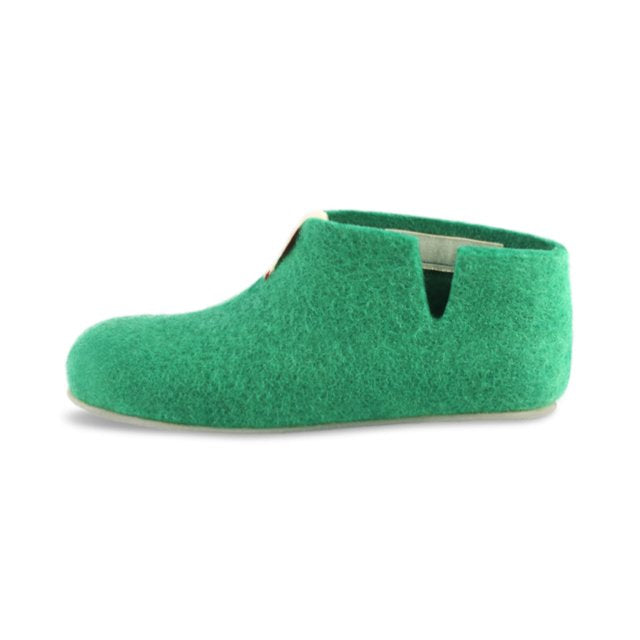















Wool Boots: Comfort That Holds Up Daily
Cold feet tend to ruin more than comfort. They change how long you stay outside, how much you walk, and whether a shoe earns a place in your daily rotation. That is why wool boots stand out. They do something many cold-weather shoes miss - they keep warmth close without creating that heavy, overheated feeling that makes you want to kick them off the second you get indoors.
For people who care about comfort, material quality, and cleaner design, wool is more than a seasonal detail. It changes how a boot performs across a full day. The right pair can handle a brisk commute, hours at a desk, a grocery run, and a weekend trip without feeling bulky or fussy. That balance is what makes wool worth a closer look.
Why wool boots feel different
Most boots rely on thickness to signal warmth. More lining, more structure, more weight. Wool takes a different approach. It insulates naturally while staying breathable, which means your feet can stay warm in cool weather without feeling trapped.
That matters more than it sounds. A boot that runs too hot often becomes uncomfortable by midday, especially if your day includes indoor heating, walking, or travel. Wool helps regulate temperature instead of just holding heat. In practice, that usually means a more even, comfortable feel from morning to evening.
There is also the softness factor. Wool has a naturally cushioned, flexible character that synthetic-heavy footwear rarely matches. It feels more adaptive on foot, less stiff out of the box, and easier to wear for long stretches. If you want a boot that feels easy rather than overbuilt, wool has a clear advantage.
What to expect from wool boots in real life
The best wool boots are not only about winter. They are about range. A well-designed pair can move through changing temperatures, different settings, and repeated wear without becoming a one-purpose shoe.
Warmth without bulk
A lot of winter footwear looks serious but feels exhausting after a few hours. Thick soles, rigid uppers, and padded interiors can add up fast. Wool offers insulation without demanding the same level of mass. That is especially appealing if you prefer a lighter, more natural feel underfoot.
This does not mean every wool boot is minimal. Some are structured, some are soft, and some are built more like everyday sneakers with higher coverage. The point is that wool often delivers comfort in a less cumbersome way.
Breathability that works indoors too
One of the biggest trade-offs with cold-weather shoes is the shift between outdoors and indoors. A boot may feel right on the street and unpleasant at home, in the office, or on a train. Wool handles those transitions better than many conventional materials because it breathes while insulating.
If your routine includes short walks, errands, commuting, or travel days, this makes a real difference. You do not need separate footwear just because your environment changes every few hours.
Soft structure and easy wear
Some people want a rugged boot with a firm break-in period. Others want something that feels comfortable from the start. Wool leans toward the second category. It tends to feel more forgiving, especially around the ankle and forefoot, and that can make daily wear much easier.
This is also where design matters. The cleanest wool boots pair a simple silhouette with thoughtful construction, so the shoe feels polished rather than precious. You get comfort that still looks intentional.
Are wool boots durable enough?
This is usually the first fair question. Wool sounds soft, so people assume it must be delicate. In reality, durability depends on the full design, not just the upper material. The outsole, reinforcement, density of the wool, and overall construction all shape how a boot holds up.
Well-made wool boots can be impressively resilient for everyday use. They are especially strong for urban wear, indoor-outdoor routines, travel, and moderate cold-weather conditions. If your day is mostly city sidewalks, public transit, office floors, and weekend errands, wool is often more than capable.
Where it depends is rough exposure. If you need footwear for harsh slush, extended downpours, or demanding terrain, not every wool boot will be the right tool. Some are designed for lifestyle wear first, not extreme conditions. That is not a weakness so much as a category truth. The smart approach is to match the boot to the use case rather than expect one pair to do absolutely everything.
How to choose the right wool boots
Not all wool boots are built for the same person or routine. The best pair for you comes down to how you move through the day.
Start with your climate
If winter where you live means cold sidewalks and dry air, a lighter wool boot may be enough. If your season includes wet streets, freezing mornings, and unpredictable afternoons, look more closely at sole traction, coverage, and whether the design is made for regular outdoor wear.
The practical question is not just How cold is it? It is also How long will I be outside, and what happens after that? Someone walking ten minutes to work has different needs than someone on foot for hours.
Think about indoor-outdoor balance
This is where wool boots shine. Many people are not searching for a technical snow boot. They want one shoe that feels comfortable at home, looks good in town, and still handles cold weather. If that sounds familiar, focus on lighter silhouettes, flexible construction, and breathable materials.
For remote workers, travelers, and anyone who values packable versatility, this balance is often more useful than maximum insulation.
Pay attention to shape and styling
A good boot should support your wardrobe, not fight it. Wool naturally suits clean lines and understated design, which makes it easy to wear with relaxed tailoring, denim, travel layers, or casual everyday looks.
If your style leans minimalist, choose a pair with simple detailing and a refined profile. If you want something more relaxed, a softer shape can feel even more inviting. Either way, wool works best when the design respects the material instead of overcomplicating it.
Why wool boots fit a more responsible wardrobe
Material choice matters. More shoppers are paying attention not only to how a product feels, but also to how it is made, how long it lasts, and whether the brand supports better habits after purchase. Wool boots fit naturally into that shift because they offer performance through a natural material rather than depending on excess layers and synthetic-heavy construction.
That does not mean every wool boot is equally thoughtful. Responsible design comes from the full picture - material sourcing, product quality, repairability, and whether a brand builds for long-term wear instead of quick replacement. The strongest options are the ones that combine comfort and durability with a clear commitment to doing better across the product lifecycle.
That is also why wool has become more relevant, not less. People want fewer things that work harder. A versatile boot made with purpose makes more sense than a closet full of single-use footwear.
Caring for wool boots
One reason people hesitate with wool is maintenance. The assumption is that it must be complicated. Usually it is simpler than expected.
Wool tends to need less constant washing than many synthetic materials because it stays fresher with regular airing out. Basic care often comes down to brushing off dirt, spot cleaning when needed, and letting the boots dry naturally after wear. The key is not to overdo it. Gentle upkeep helps preserve both shape and feel.
If you rotate your footwear instead of wearing the same pair every single day, that helps too. Any well-loved shoe lasts longer with a little recovery time between wears.
Who wool boots are best for
Wool boots make the most sense for people who want daily comfort without visual clutter. They are especially well suited to city living, flexible work routines, travel, and homes where you move between indoors and outdoors all day. They also appeal to shoppers who care about design and want their footwear to feel considered, not overengineered.
They may be less ideal if your top priority is maximum weatherproofing for severe winter conditions. In that case, a more technical boot may serve you better. But if you want warmth, breathability, clean style, and a more natural on-foot experience, wool is hard to beat.
Brands like Baabuk have helped show what this category can be when comfort, Swiss-inspired design, and responsible production are treated as equally important. That combination is exactly why wool boots no longer feel niche. They feel current.
The best pair will not ask you to choose between comfort and design, or between practicality and values. They will simply fit into your day so well that reaching for them becomes automatic.


