

















How to Choose House Slippers That Last
When you work remotely, move between rooms all day, or want one pair that looks as considered as the rest of your space, slippers stop being an afterthought.
The problem is that many pairs are built for a quick first impression. They feel plush for a week, then flatten, overheat, or lose shape. A better pair should do more than look cozy on a product page. It should regulate temperature, stay comfortable over long wear, and hold up to daily routines without feeling bulky or disposable.
What good house slippers actually need to do
A lot of shoppers start with softness, which makes sense. But softness alone is a weak test. The best house slippers balance comfort, breathability, structure, and durability in a way that works across seasons.
That balance matters because home life is not static. Some people want a warm pair for winter mornings. Others need something breathable enough for spring afternoons, quick errands to the mailbox, or long hours at a standing desk. If a slipper is too insulated, it gets abandoned. If it is too thin, it never becomes part of your routine.
Good design also shows up in how a slipper disappears into daily use. You should not have to think about sweaty feet, compressed footbeds, or whether the sole can handle a few steps outside. The most useful pairs are the ones you keep reaching for because they feel right without effort.
Why material matters more than extra padding
The material is where performance starts. Synthetic fleece and foam can feel soft in the first few wears, but they often trap heat and lose resilience faster than expected. That is usually when slippers start feeling less fresh, less supportive, and harder to justify keeping.
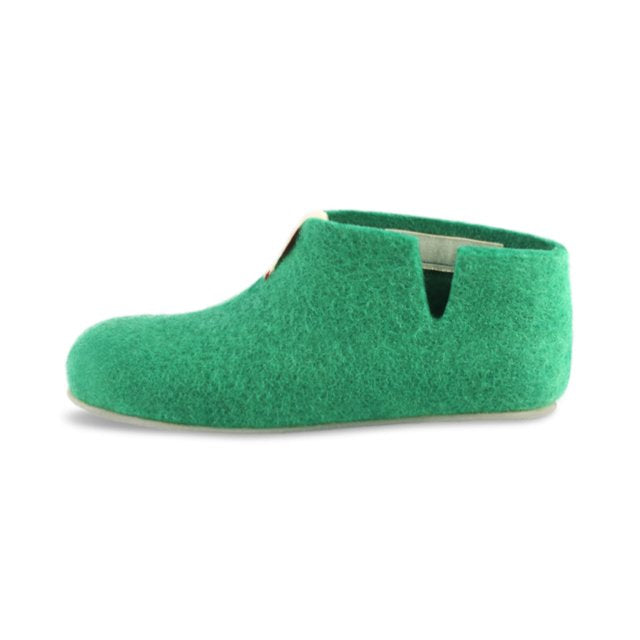
Natural wool changes that equation. It insulates when the room is cool, breathes when your body warms up, and has a dry, comfortable feel that works across a wider range of temperatures. That is a major advantage if you want one pair of slippers instead of a separate winter pair and summer pair.
Wool also brings a cleaner, more refined look than heavily padded alternatives. It does not need oversized volume to signal comfort. For design-conscious shoppers, that matters. A slipper can feel relaxed without looking sloppy.
This is one reason wool-forward brands have built such a loyal following. The material does real work. It supports comfort through function, not excess.
The case for wool in everyday wear
If you wear slippers for ten minutes at a time, almost any pair might seem acceptable. But if you wear them for hours - while answering emails, making lunch, tidying up, reading on the couch, or walking through a chilly apartment - material performance becomes obvious.
Wool is especially strong here because it adapts. It helps keep feet warm without creating that overheated feeling common in fully synthetic linings. It also keeps its shape better when the construction is done well, which helps a pair continue looking polished instead of worn out halfway through the season.
For shoppers who care about responsible production, material choice carries another layer of value. A slipper that lasts longer, wears better, and stays useful in more conditions is generally the better buy than one built for trend turnover.
Fit is where comfort becomes real
Even premium materials cannot fix the wrong fit. House slippers should feel secure enough to stay with your step, but not tight or restrictive. That sounds simple, yet it is where many pairs miss.
An open-back slide is easy to slip on and ideal for low-commitment comfort, especially if you like quick transitions around the house. The trade-off is stability. If you walk a lot indoors or prefer a more grounded feel, a closed-back shape usually offers better hold and a more complete fit.
Toe space matters too. Slippers that taper too aggressively can feel neat at first and annoying later. A more natural shape gives your foot room to settle, which is particularly important for long wear. If you are between sizes, it often helps to think about how you plan to use them. Barefoot wear, thicker socks, and seasonality can all affect what feels best.
Support should be subtle, not stiff
Most people are not looking for a highly corrective indoor shoe. They want ease. But that does not mean support is irrelevant.
A well-made slipper should offer enough structure underfoot to prevent the flat, tired feeling that comes from standing on a thin layer of foam. That structure can be gentle. You do not need a hard orthopedic sensation. What you want is a footbed and sole that keep comfort consistent from morning to evening.
This is especially important for anyone working from home. If your slippers are effectively your all-day footwear, they need to do more than feel soft during the first coffee run.
The sole determines how versatile your slippers are
One of the biggest differences between average and high-performing house slippers is the sole. A soft upper may get your attention, but the sole decides where and how often you actually wear them.
If you want slippers only for bedroom use, a lighter sole may be enough. But many people live more fluidly than that. They step onto terraces, collect deliveries, take out recycling, or move between indoor and outdoor surfaces without wanting to change shoes every time.
In that case, a durable sole with some grip adds real value. It makes the slipper more versatile and extends its use beyond a single room. The trade-off is weight. A heavier sole can feel less minimal, so the best versions keep traction and durability without turning the slipper into a sneaker.
Style still matters at home
There was a time when slippers were expected to be hidden, purely functional, and slightly forgettable. That is no longer how many people shop. Home products now sit closer to personal style, especially for consumers who care about design in every part of daily life.
The best house slippers reflect that shift. Clean lines, thoughtful texture, and understated color make a difference. They let comfort feel intentional rather than improvised.
This is where minimalist wool designs stand apart. They pair natural texture with a modern silhouette, which keeps the look elevated without trying too hard. For shoppers who appreciate Swiss-informed simplicity and product clarity, that combination feels current in the right way.
Responsible buying means thinking past the first month
A lower price can be tempting, especially in a category people often treat casually. But slippers used every day go through real wear. When they flatten quickly or fall apart after one season, they are not actually the easier choice.
A better approach is to look at the full use cycle. How well does the material age? Can the pair handle regular wear without looking tired? Is the construction built for repeat use rather than short-term comfort? Those questions usually lead to better products.
It also helps to choose brands that think beyond the transaction. Repair options, replacement programs, and circular initiatives signal a different standard. They suggest the product was designed to stay in use, not just to be sold. That mindset aligns well with how many modern shoppers want to buy - fewer items, better made, used longer.
Baabuk fits naturally into that conversation because it treats wool as both a performance material and a design foundation, while backing the product story with repair, replace, and recycling efforts.
How to narrow down the right pair
If you are comparing options, start with your real routine instead of an idealized one. Think about floor type, temperature, how many hours you will wear them, and whether you need indoor-outdoor flexibility.
If your home runs cold and you want a cocooning feel, lean toward a more enveloping wool slipper with fuller coverage. If you prefer lighter wear or move through warmer interiors, choose a breathable shape with a more minimal profile. If you are constantly stepping outside for a minute or two, pay close attention to sole durability.
Then look at the visual side. The pair you wear most will usually be the one that feels good and fits your space, wardrobe, and habits. Practicality matters, but so does whether the design feels like something you genuinely want around.
House slippers are a small daily decision that gets repeated again and again. Choose a pair with the right material, fit, and sole, and that small decision starts paying you back every morning.


