


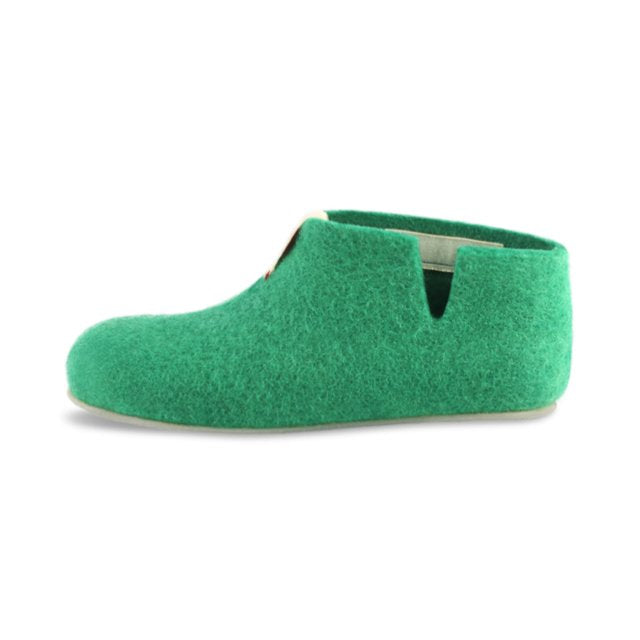
















Sustainable Footwear That Works Harder, Longer
Your shoes do more than carry you from one place to another. They sit under a desk during long workdays, handle rushed commutes, travel in a weekend bag, and wait by the door for the next dog walk. Sustainable footwear should be built for that real life: comfortable enough to reach for daily, well designed enough to wear everywhere, and made with a plan for what happens after the first season.
The most responsible pair is not automatically the one with the longest list of claims. It is the pair you genuinely wear often, care for properly, and keep in rotation for years. That shifts the question from “What is this made of?” to a more useful one: “Will this work hard enough to earn its place in my closet?”
What Makes Footwear More Sustainable?
A better shoe starts with fewer compromises. Materials matter, but so do construction, longevity, packaging, shipping, care, and the possibility of repair, resale, or recycling. A lightweight sneaker that feels great for six months but cannot be maintained is not necessarily a better choice than a durable indoor-outdoor slipper you wear for years.
Sustainable footwear is about reducing unnecessary impact over the full life of a product. That means choosing considered materials, avoiding disposable design, and creating ways to extend a shoe’s useful life once it shows signs of wear.
For shoppers, the challenge is that no material or production method is impact-free. Natural materials can offer comfort and performance benefits, but they still require thoughtful sourcing and processing. Recycled synthetics can help keep existing materials in use, though they may not offer the same end-of-life options as natural fibers. The goal is not perfection. It is making a better decision with the information available.
Start With Materials That Earn Their Keep
Materials should contribute more than a sustainability story. They should improve how a shoe feels and functions.
Wool is a strong example. Its natural temperature regulation helps feet feel more comfortable across changing conditions. It is breathable, soft, and naturally odor resistant, which makes it especially useful for slippers, everyday sneakers, travel shoes, and styles worn without much fuss. When a material can reduce the need for constant washing or make one pair more versatile across seasons, that practical value matters.
The rest of the shoe deserves the same attention. Look at the lining, sole, laces, and reinforcement details rather than focusing only on the upper. A shoe is a system, and its overall performance depends on how those parts work together. Thoughtful use of recycled, natural, and lower-impact materials can be meaningful when it is paired with design that lasts.
Comfort Is Part of Responsible Design
A shoe that stays in the closet is wasted material, no matter how carefully it was made. Comfort is not an extra feature. It is one of the clearest signs that a pair has been designed for repeat wear.
The right fit supports a longer relationship with your footwear. You are more likely to choose a shoe that feels good from morning to evening, whether you are moving between meetings, working from home, or packing light for a trip. Flexible uppers, breathable interiors, cushioned support, and a shape that allows natural movement can all make a meaningful difference.
This is also where personal needs matter. Some people want a structured sneaker for city miles. Others prefer a lighter, more flexible shoe for everyday movement. A slipper may be the most useful purchase for someone who spends much of the day at home, while a durable boot may make more sense for a colder climate. Buying for your actual routine is more sustainable than buying for an imagined lifestyle.
Design Beyond a Single Season
Trend-driven footwear is designed to create a quick feeling of newness. A more considered wardrobe works differently. It favors clean lines, versatile colors, and silhouettes that feel right with denim, relaxed tailoring, casual dresses, or weekend layers.
Minimal design does not have to mean boring design. Texture, material, shape, and well-proportioned details can give a shoe character without making it difficult to wear next year. The best everyday pairs become familiar in the best way: they simplify getting dressed while still looking intentional.
Swiss-inspired design often gets this balance right. It values function, restraint, and details that hold up under close inspection. At Baabuk, that approach is expressed through wool-forward styles made for the spaces between home, work, travel, and the outdoors.
Look for a Longer Life, Not Just a Better Launch
Durability is one of the most overlooked parts of responsible footwear. A lower-impact material cannot do its best work if the shoe is discarded too soon. Before buying, consider whether the sole is suited to your typical surfaces, whether the upper can handle your regular use, and whether the style fits enough of your wardrobe to be worn frequently.
Construction also affects what can happen later. Some shoes are easier to repair than others. Some brands offer repair and replace programs, while others create resale or recycling pathways for pairs that no longer fit into your daily rotation. These services are not a substitute for making durable products, but they can keep valuable materials in use longer.
Care is equally practical. Give shoes time to air out between wears, remove loose dirt before it settles in, and follow the brand’s care instructions rather than relying on a one-size-fits-all cleaning method. Rotating between two or three frequently worn pairs can also help each one retain its shape and dry fully between use.
Questions Worth Asking Before You Buy
A good purchase does not require an environmental science degree. It requires a little skepticism and a clear sense of what you need. Marketing language can be broad, so look for brands that explain their materials, manufacturing locations, and product-care options in plain language.
Ask whether the shoe is designed for a specific use or simply styled for one. Consider how often you expect to wear it, what conditions it needs to handle, and whether you already own something that fills the same role. If the answer is “occasionally,” renting, repairing an existing pair, or waiting may be the better choice.
It also helps to look beyond the product page. Does the company offer clear sizing guidance to reduce avoidable returns? Does it provide a repair, replacement, resale, or recycling option? Is responsibility treated as part of the business rather than a seasonal campaign? Certifications such as B Corp can offer useful context, especially when paired with transparent details about how a brand operates.
Build a Smaller Rotation That Does More
The goal is not to replace every shoe you own. It is to make your next choice more useful. A compact rotation might include a comfortable slipper for home, an everyday sneaker for errands and travel, a weather-ready option for the season, and a pair that works when you want to look a little more polished.
Each pair should have a clear job, but the strongest choices can handle more than one. A breathable sneaker that works for commuting and weekends reduces the need for separate pairs. A slipper with a durable sole can make the transition from a quiet morning at home to a quick trip outside feel effortless. Versatility is not only convenient. It helps curb the impulse to buy duplicates.
Pay attention to fit before you commit. Feet can change throughout the day, so try shoes when your feet are not at their smallest. Leave enough room at the toe, make sure the heel feels secure, and wear the socks you would normally wear with that style. A thoughtful fit check can prevent a return and, more importantly, keep a good pair from becoming an expensive mistake.
Better footwear is not about chasing a perfect label. It is about choosing materials that feel good, design that stays relevant, and products that are made to remain part of your life. Choose the pair you will reach for tomorrow, then give it the care to become the pair you still reach for years from now.