

















How to Use Shoe Repair for Longer-Lasting Shoes
A worn heel, a loosening sole, or a small tear does not have to mean the end of a favorite pair. Knowing how to use shoe repair helps you get more comfort, more wear, and more value from footwear you already love. It is also a practical part of buying less and choosing well - especially when your shoes are made for everyday life, from slow mornings at home to commutes, travel, and weekends outside.
Repair is not about making a well-worn shoe look brand-new at any cost. It is about assessing what is worth saving, acting before a small issue becomes a major one, and giving materials the care they need to keep performing. A good repair can preserve the fit that took weeks to become yours. It can also keep a thoughtfully made pair in rotation rather than replacing it too soon.
How to Use Shoe Repair Before Wear Gets Worse
The best time to repair a shoe is usually earlier than people think. Check your footwear when you clean it or change seasons. Look at the outsole, the seam where the upper meets the sole, the heel lining, and the interior footbed. These are high-contact areas, and they often reveal wear before it affects comfort.
A sole that is beginning to separate at the edge may only need to be reglued. Left alone, moisture and dirt can work into the opening, making the repair more involved. A heel that is wearing down unevenly can change how a shoe feels underfoot. Replacing or leveling a heel early can help maintain a balanced stride and protect the rest of the sole.
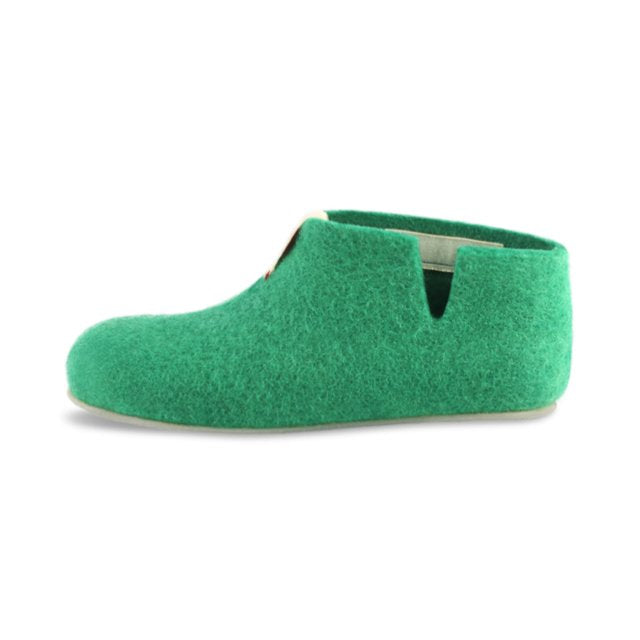
With wool footwear, pay attention to friction points rather than expecting the material to behave like leather or plastic. Wool is naturally breathable and resilient, but repeated rubbing from a loose fit, a rough insole, or a damaged lining can thin fibers over time. Small areas of wear are easier to stabilize than a hole that has widened through continued use.
Not every mark needs intervention. Gentle pilling, a softened shape, and light surface scuffs can be part of a shoe’s lived-in character. Repair is most useful when wear affects structure, protection, or comfort.
Decide Whether a Repair Makes Sense
Start with the foundation. If the upper is in good condition and the shoe still fits comfortably, a sole repair, heel repair, seam repair, or new insole is often a smart choice. Footwear that has molded to your foot has value beyond its original price. Replacing a worn component can be far more sensible than starting over with a new pair.
Some damage requires a more realistic assessment. If an outsole is cracked across its full width, the upper has extensive damage, or the shoe no longer supports your foot properly, repair may not offer the result you want. This depends on the construction of the shoe, the materials involved, and whether replacement parts are available.
A trusted cobbler can tell you what is possible, but you do not need to wait for an appointment to make a basic decision. Ask three questions: Is the problem limited to one area? Does the shoe remain comfortable? Can the repair extend useful life meaningfully? If the answer is yes, repair is likely worth exploring.
For shoes with repair or replace support, begin with the brand’s service guidance. Construction details matter. A repair professional should know whether the sole is glued, stitched, molded, or designed to be replaced as a unit. The right method protects both the shoe’s appearance and its performance.
Prepare Your Shoes for a Professional Repair
A little preparation makes it easier for a repair service to evaluate your pair accurately. Remove loose dirt with a soft brush or dry cloth. For wool uppers, avoid soaking the material or using aggressive cleaners. Wool responds best to a light touch: brush away dry debris, spot-clean carefully when needed, and allow shoes to air dry naturally away from direct heat.
Then take clear photos of the problem area in good light. Include one close image and one wider image that shows the full shoe. If the issue changes while walking - such as a heel that feels unstable or a sole that catches at the toe - describe that too. A visual record helps a cobbler or repair team recommend the right next step before you send or drop off the shoes.
Be specific about what you want repaired. “The sole is coming loose near the outside edge of the right shoe” is much more useful than “My shoe is broken.” Mention whether the shoes are used mainly indoors, on city sidewalks, for travel, or in wet conditions. A repair that suits a slipper worn around the home may differ from one needed for a sneaker that sees daily pavement.
If you are sending footwear away, include both shoes even if only one has visible damage. Repair professionals often need to compare wear patterns, color, height, and materials to create an even result.
Simple Care That Supports a Repair
Shoe repair works best alongside regular care. After wearing wool shoes, let them air out before placing them in a closed cabinet or travel bag. Wool naturally manages moisture and odor, but every material benefits from time to dry between wears. Rotating pairs when possible also reduces concentrated wear on the outsole and interior.
Keep shoes away from radiators, dryers, and prolonged direct sun. High heat can dry adhesives, distort soles, and affect the shape of natural fibers. If your shoes get wet, stuff them lightly with plain paper to help retain their shape, then let them dry at room temperature.
For footwear with removable insoles, inspect them regularly. An insole that has compressed or curled can create friction and make the whole shoe feel worn out before it truly is. Replacing that component can restore comfort while protecting the upper from unnecessary stress.
Storage matters, too. Do not pile heavier shoes on top of soft wool styles. Give boots enough room to stand naturally, and keep slippers or sneakers in a dry, well-ventilated place. These small habits are not complicated, but they make a visible difference over several seasons.
When a Home Fix Is Enough - and When It Is Not
A home repair can be useful for minor, temporary issues, such as replacing laces, adding a simple heel grip, or removing loose surface debris. It is also reasonable to use a shoe-safe adhesive for a very small edge lift when the manufacturer’s care guidance allows it and the shoe is fully clean and dry.
For structural work, professional repair is usually the better choice. Gluing a sole without the right preparation can trap dirt, create a stiff edge, or fail quickly under flex. Stitching a torn wool upper by hand may stop a hole from growing, but it can also pull the material out of shape if the tension is wrong. A skilled cobbler has the tools to clean, bond, stitch, reinforce, and finish a repair without turning a small problem into a permanent one.
The trade-off is time and cost. A professional repair may take longer than replacing an inexpensive shoe. But for a pair that fits well, uses considered materials, and still has years of potential wear, the value is not only financial. It is the comfort of keeping something good in use.
Build Repair Into Your Footwear Routine
Think of repair as a normal stage in a shoe’s life, not a last resort. Save your proof of purchase, care information, and any notes about the shoe’s materials. Check for repair and replace options before assuming an issue is final. If a pair is no longer repairable, consider resale, recycling, or responsible disposal options where available rather than sending it straight to the trash.
Baabuk’s approach to comfort is designed for real life, which means allowing well-loved footwear to show its miles while caring for it with intention. The goal is not a closet full of untouched shoes. It is a smaller, more useful collection that supports your everyday rhythm.
The next time you notice a lifting sole or thinning heel, set the pair aside and assess it before your next wear. A timely repair can be a quiet, satisfying way to keep comfort close and waste further away.