















Welche Finken sind aus reiner Wolle? A clear guide
If you are asking, “welche Finken sind aus reiner Wolle?”, the short answer is: look beyond the word wool. A slipper can have a wool upper, a wool lining, or a wool-blend felt body - and those are very different things. For anyone who values natural comfort at home, the details on the material label matter as much as the silhouette.
In Swiss German, Finken are the slippers waiting by the door: easy to step into, warm without feeling heavy, and made for the rhythms of home. The best wool Finken do more than look cozy. They help manage temperature, breathe naturally, and bring a clean, considered finish to everyday downtime.
What “pure wool” means for Finken
A pair described as being made from pure wool should have a main textile component that is 100% wool. Most often, this refers to the upper or the felted slipper body. Dense wool felt is a natural choice for indoor footwear because it holds its shape while remaining soft, insulating, and breathable.
Still, no practical slipper is likely to be literally 100% wool in every single part. A durable outsole may use natural latex, rubber, or another grippy material. Thread, trim, and label details may also be made from other fibers. That does not take away from the benefits of a pure-wool upper. It simply means that “pure wool” should be read with precision, not as a blanket claim about every component.
A transparent product description will tell you what is wool and what is not. Look for wording such as “100% wool upper” or “upper made of pure wool felt,” followed by separate information about the sole and lining.
Which Finken are made from pure wool?
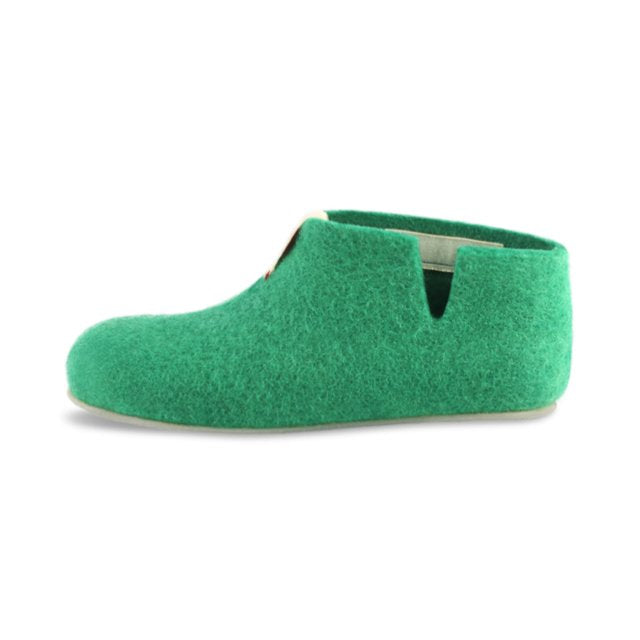
The strongest candidates are classic felt slippers with a single-piece wool upper or a molded wool-felt construction. They often come in two familiar forms: a closed-back slipper for more secure coverage and an open-back mule for quick, effortless wear. Both can be made with a pure wool upper, provided the product specification confirms the fiber content.
Wool-felt Finken are especially well suited to homes with cool floors, home offices, and relaxed weekends. The felt creates a light layer of insulation around the foot, while the fiber’s natural structure allows air to circulate. That balance is why wool can feel comfortable across changing indoor temperatures rather than overly hot.
Sheepskin-style slippers are another category, but they are not the same as pure wool felt Finken. They typically combine wool with a hide backing, and their construction, fit, and care needs are different. If your goal is a clean felt slipper made primarily from wool fiber, check that you are choosing felted wool rather than a pile-lined style.
Read the label, not just the product name
Terms like “wool,” “woolen,” and “felt” can sound reassuring, but they do not always indicate a pure fiber composition. Some felt slippers use a mix of wool and synthetic fibers to lower cost or change structure. A blend can be a valid design decision, especially where added abrasion resistance is needed, but it is not pure wool.
Before choosing a pair, review the material breakdown. These four details offer the clearest picture:
- Upper: This is the most visible and often the most important part. For pure-wool Finken, seek an upper listed as 100% wool or pure wool felt.
- Lining: Some slippers have an unlined felt interior, while others add a lining. Check whether that lining is wool, cotton, or a synthetic textile.
- Insole: A removable insole can add cushioning, but it may be made from a different material than the upper. This affects the underfoot feel and the overall fiber content.
- Outsole: Rubber or natural latex soles help with traction and extend the life of indoor slippers. They are useful components, even though they mean the finished shoe is not wool from top to bottom.
Why pure wool feels different indoors
Wool has a quiet kind of performance. Its crimped fibers create tiny air pockets that help retain warmth when the room is cool. At the same time, wool can absorb and release moisture vapor, helping feet feel drier during long days spent moving between a desk, kitchen, and sofa.
That makes pure-wool Finken a strong alternative to heavily padded synthetic slippers. Instead of relying on thick foam for comfort, wool felt offers a more structured, breathable feel. It may feel firm at first, particularly in molded styles, then gradually adapt to the shape of your foot with wear.
There is a trade-off. If you want deep, pillow-like cushioning, look for a design with a supportive footbed or removable insole in addition to the wool upper. If you prefer a closer connection to the ground and a lighter silhouette, a simpler felt construction may be the better fit. Neither option is universally better - your floor surfaces, arch support needs, and preferred fit all play a role.
Choose the right sole for your home
For bedroom-to-living-room wear, a soft sole or lightly coated base can keep a slipper flexible and quiet. It is often the most traditional Finken experience, but it may wear more quickly on rough surfaces and should generally stay indoors.
For homes with tile, wood, or stairs, a grippy rubber or latex outsole adds confidence underfoot. It also makes it easier to step outside briefly to collect mail or take out recycling. This is often the more versatile choice for modern routines, though it adds a little weight and structure.
Consider fit, too. Wool felt has some natural give, but it should not start out loose. Your heel should feel secure in a closed-back design, and your toes should have room to relax without sliding forward. If you sit between sizes, follow the brand’s sizing guidance and account for whether you plan to wear socks.
Care that keeps wool Finken looking good
Wool does not need constant washing. Airing your Finken after wear and brushing away dry surface dirt is often enough to keep them fresh. If a small spot needs attention, use a damp cloth, cool water, and a small amount of wool-safe cleanser. Avoid soaking the felt or placing it in a hot dryer, as heat and agitation can change its shape.
Give slippers time to dry naturally, away from direct heat. Rotating between pairs can also help the wool recover between wears, especially during colder months when Finken become part of the daily uniform.
Well-made wool slippers are worth caring for because they are designed for repeated use, not a single season. At Baabuk, wool is treated as a performance material: naturally comfortable, visually simple, and made to support everyday life with less reliance on disposable footwear.
The right pair of pure-wool Finken should feel easy from the first step: warm on cool floors, breathable through a busy morning, and understated enough to leave by the door. Choose the fiber content with care, choose the sole for your home, and let the material do what wool does best.