

















Why Choose Wool House Slippers?
Cold floors at 7 a.m. can ruin the mood before coffee even starts working. That is usually the moment people ask why choose wool house slippers instead of the synthetic pairs stacked in every big-box store. The short answer is comfort. The better answer is that wool solves several everyday problems at once - temperature, breathability, softness, and long-term wear - without looking bulky or feeling overbuilt.
House slippers are one of those things people use constantly but rarely think deeply about until they buy a bad pair. If they run hot, your feet sweat. If they trap moisture, they start to smell. If they flatten in a month, they stop feeling supportive and end up forgotten by the door. Wool changes that experience in a way that feels simple, but not accidental.
Why choose wool house slippers for daily wear
The best slippers do not demand attention. They just make home feel better. Wool is especially strong here because it is naturally adaptive. Instead of forcing your feet into one fixed feeling - too warm, too soft, too sweaty - it responds more fluidly to changing conditions.
That matters more than most materials marketing would suggest. Indoor life is rarely consistent. You might move from a cool bedroom floor to a sunny kitchen, then spend hours at a desk, then step onto a balcony or patio. Wool handles those transitions well because it helps regulate temperature rather than simply adding heat. Your feet stay warm when the floor is cold, but they are less likely to overheat once the room warms up.
There is also the feel of wool itself. Good wool slippers do not have the shiny, padded, synthetic character that many indoor shoes rely on. They feel cleaner, more grounded, and more natural on the foot. For design-conscious buyers, that difference is visual as much as physical. Wool tends to look quieter and more refined, which makes it easier to wear every day without feeling like an afterthought.
Comfort is not just softness
A lot of slippers are sold on softness alone, as if comfort begins and ends with plush lining. That can feel great for ten minutes. Then the material compresses, heat builds up, and the slipper starts to feel sloppy. Real comfort is more balanced.
Wool has a soft hand, but it also has structure. It can cushion while still holding shape, which helps the slipper feel secure instead of floppy. This is especially important if you work from home, spend long stretches standing in the kitchen, or simply wear slippers for most of the day rather than just a few minutes in the morning.
There is a practical side to this too. Slippers that keep their form tend to age better. They continue to feel intentional, not worn out. That is one reason wool house slippers often become a daily staple rather than a short-lived comfort purchase.
Breathability makes a bigger difference than people expect
One of wool’s most useful qualities is breathability. Feet generate heat and moisture, even indoors. Materials that cannot manage that moisture tend to create the exact conditions that make slippers uncomfortable after a couple of hours.
Wool helps move moisture away while still feeling warm. That means a drier interior climate around your foot and a more stable wearing experience across the day. If you have ever taken off a pair of conventional slippers and immediately felt relief, breathability was probably the missing piece.
This is also why wool works well across seasons. It is easy to assume wool is only for winter, but that misses the point. Good wool is not just insulating. It is regulating. In transitional weather, or in homes where temperatures shift throughout the day, that balance is more useful than pure warmth.
Why choose wool house slippers over synthetic materials
Synthetic slippers often win on price at first glance. They can be fluffy, colorful, and easy to buy quickly. But the trade-off usually shows up fast. Synthetic fabrics tend to trap heat, hold onto odor, and lose their shape sooner. They may look comfortable in the box, yet feel less comfortable over time.
Wool offers a different kind of value. It performs naturally, which means you rely less on thick foams or exaggerated padding to create comfort. The result is often lighter, less sweaty, and more refined. For shoppers who care about materials, that matters. For shoppers who just want a better slipper, it matters too.
There is, of course, some nuance here. Not every wool slipper is automatically excellent, and not every synthetic pair is a disaster. Construction still matters. Fit still matters. Sole design, density, and finishing all play a role. But when the starting material is wool, the product begins with a genuine performance advantage.
Odor resistance is part of everyday luxury
This is not the most glamorous reason to buy wool slippers, but it may be one of the most convincing. Slippers are worn close, often without socks, and usually more frequently than people realize. Odor resistance is not a bonus feature. It is central to whether a pair stays pleasant to wear.
Wool naturally resists odor better than many synthetic alternatives, which helps slippers feel fresher between wears. That makes day-to-day life easier and reduces the sense that your indoor footwear is something disposable. When a product stays comfortable and wearable for longer, you treat it differently. You keep it in rotation. You care for it. You expect more from it.
Design matters at home too
Home products are often excused from good design, as if anything comfortable gets a pass. But the things you use every day shape how your space feels. Slippers live in that category. They are practical, yes, but they also say something about your standards.
Wool house slippers tend to suit a more minimal, modern way of living. The material has texture without shouting for attention. It feels premium without being precious. In a clean interior, on a wood floor, next to a simple coat rack or entry bench, wool looks considered.
That is part of the appeal for people who want fewer, better things. You are not buying a novelty item for one season. You are choosing a piece of everyday comfort that fits into your life visually as well as physically.
A more responsible material choice
For many shoppers, the question is not only why choose wool house slippers, but why choose them now. The answer has a lot to do with how people want to buy. More customers are looking closely at material quality, product longevity, and what happens after the first rush of purchase fades.
Wool aligns well with that shift because it is a natural material with built-in performance. When paired with thoughtful design and a brand that supports repair, recycling, or resale, it fits a more circular way of thinking about footwear. That does not mean every pair lasts forever or that care does not matter. It means the product is better positioned for a longer life from the start.
That distinction is worth keeping in mind. Sustainability is not just a label. It is the combination of material choice, construction, durability, and how often you actually keep wearing something. A slipper that feels good for one month is rarely the responsible option, even if it was marketed that way.
What to look for before you buy
If you are considering wool house slippers, focus on the whole product, not just the headline material. Look for a shape that holds the foot securely, especially if you move around the house a lot. Pay attention to sole design if you want indoor-outdoor flexibility. And think honestly about how you wear slippers - quick morning use, all-day remote work, or constant on-and-off movement.
A close fit usually works better than a loose, collapsing one. Wool will often adapt nicely with wear, so the goal is comfort without excess space. If you run warm, breathability should be a priority. If you want a cleaner aesthetic, look for simple silhouettes that let the material do the work.
Brands with a clear point of view around wool tend to get these details right because they are designing around the material instead of treating it like a trend. That is part of what makes specialist products feel different from generic ones.
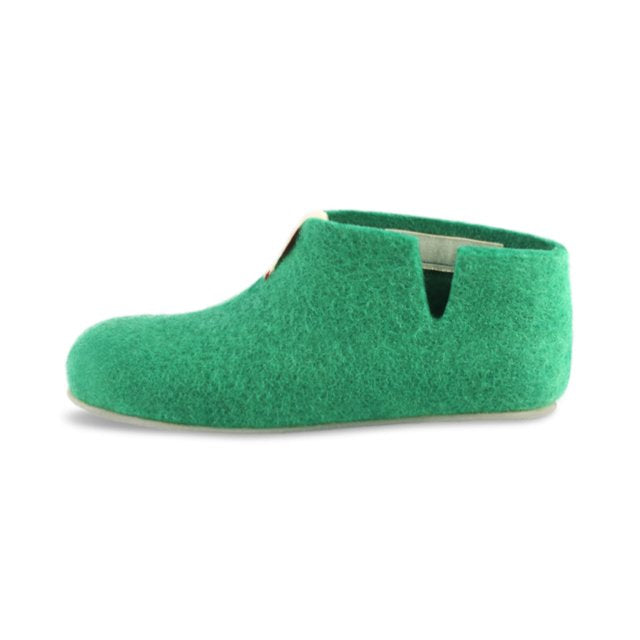
Baabuk sits firmly in that space, with Swiss-inspired design, a strong why wool philosophy, and a broader commitment to repair and circular care that makes the category feel more considered.
The best reason to choose wool house slippers is not that they sound elevated. It is that once you wear a well-made pair, your home routine feels easier, lighter, and more comfortable in all the small moments that add up. That is usually where good design proves itself.


