


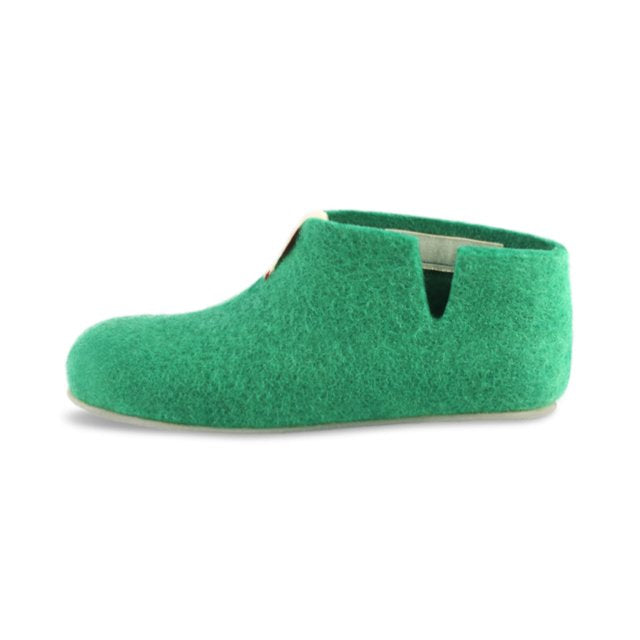















How to Clean Wool Sandals Without Ruining Them
A dusty footbed, a small coffee splash, or a season of city walking does not mean your favorite pair has reached the end of its life. Knowing how to clean wool sandals is mostly about restraint: use little water, mild soap, and enough time for the material to dry naturally. Wool is naturally breathable and odor-resistant, so it rarely needs the aggressive washing that synthetic footwear does.
The goal is to refresh the pair while preserving the softness, shape, and considered finish that made you choose wool in the first place. A few minutes of regular care can keep sandals comfortable for many more warm-weather miles.
First, Check What Your Sandals Are Made Of
Not every wool sandal is built the same way. Before cleaning, look at the care label and identify the materials around the wool upper: the footbed, lining, straps, hardware, and outsole may each need a slightly different approach. The manufacturer's instructions should always take priority, especially if your pair has a molded footbed, leather details, or glued construction.
For most wool uppers, spot cleaning is the best place to start. Wool fibers have a natural outer layer that helps resist dirt, which means surface dust can often be removed without a full wash. More water is not better here. Soaking can distort the upper, weaken adhesives, or leave the sandal drying unevenly.
If the sandal is only slightly dusty or has picked up a few dry marks, skip soap altogether. A soft, dry cloth or soft-bristled brush is usually enough.
How to Clean Wool Sandals Step by Step
Set aside a few minutes when your sandals can dry undisturbed afterward. Choose a clean, well-lit surface and work slowly. The process is gentle by design.
Brush away dry dirt first
Let mud or debris dry completely before trying to remove it. Then use a soft shoe brush, a clean soft-bristled toothbrush, or a dry microfiber cloth to lift dirt from the wool. Brush lightly in one direction rather than scrubbing back and forth. This helps protect the surface and prevents the fibers from looking rough.
Pay attention to seams, the edge where the upper meets the sole, and any textured areas where grit tends to settle. Turn the sandal upside down and tap it gently to release sand from the footbed and outsole.
Make a mild cleaning solution
For small stains, mix a few drops of gentle wool-safe detergent with cool water. A mild soap can work in a pinch, but avoid anything with bleach, brighteners, strong fragrance, or stain-removing enzymes. These formulas are often too harsh for wool and can leave the material stiff or discolored.
Do not apply the solution directly to the sandal. Instead, dip a clean white cloth into the water, then wring it out thoroughly. The cloth should be barely damp, not wet enough to drip.
Blot the stain, do not scrub it
Press the damp cloth onto the stained area and lift. Repeat with clean sections of the cloth until the mark starts to fade. Work from the outside of the stain toward its center so it does not spread into a larger ring.
For a stubborn spot, use a tiny amount of diluted soap on the cloth and continue blotting. Give the wool a moment between passes. Vigorous rubbing can cause pilling or compact the fibers, changing the sandal's soft, felted texture.
Once the stain has lifted, go over the area with another clean cloth lightly dampened with plain cool water. This removes any soap residue without saturating the upper.
Refresh the footbed carefully
Footbeds collect the most sunscreen, dust, and everyday moisture, so they may need a little extra attention. Brush away loose debris first. Then wipe with a barely damp cloth and a small amount of mild soap, taking care not to over-wet the material.
If your sandals have a cork, foam, leather, or specialty footbed, treat it according to its specific care guidance. Cork should not be soaked. Leather should be cleaned with products intended for leather. A fabric-covered footbed can usually be spot-cleaned, but keep moisture controlled around the edges and seams.
For odor rather than visible dirt, air is often the right answer. Place the sandals in a dry, shaded area with good circulation for several hours. Wool's natural ability to manage moisture means fresh air can make a meaningful difference.
Dry Them Slowly and Naturally
After spot cleaning, reshape the straps and upper with your hands. If the sandal has a structured toe area or needs support, place a small amount of plain white paper inside. Do not use newspaper, which can transfer ink when damp.
Leave the sandals to air dry at room temperature, away from direct sunlight, radiators, heating vents, hair dryers, and tumble dryers. High heat can shrink or harden wool and may affect glues or footbed materials. Depending on how much moisture was used, drying may take overnight.
Do not wear the sandals until they are fully dry. Wearing damp footwear can stretch the upper out of shape and trap moisture in the footbed. Patience here protects both comfort and fit.
What Not to Do When Cleaning Wool Sandals
The easiest way to care for wool sandals is to avoid turning a minor mark into a major cleaning project. Keep these common shortcuts off the list:
- Do not machine wash unless the care label specifically says you can.
- Do not soak the sandals in a sink or bucket.
- Do not use hot water, bleach, alcohol-based cleaners, or strong household sprays.
- Do not scrub with a stiff brush, abrasive sponge, or rough towel.
- Do not dry them on a heater, in direct sun, or in a dryer.
Removing Common Marks From Wool
Different stains call for different levels of patience. For dry dust, sand, and light mud, brushing may be all that is needed. For food or drink spills, blot promptly with a damp cloth before the stain settles, then use diluted wool-safe soap if necessary.
For oily marks, avoid adding lots of water immediately. First, gently blot away excess oil with a dry cloth. You can apply a small amount of cornstarch to the spot, leave it for a few hours to absorb the oil, then brush it away before spot-cleaning. Test this method on an inconspicuous area first, particularly on darker colors.
Salt marks from coastal walks or warm-weather travel can usually be lifted with a cloth lightly dampened with cool water. Blot, let the area dry, and repeat if necessary rather than making the wool wet all at once.
If a stain remains after a few gentle attempts, professional shoe cleaning may be the better option. It depends on the stain, the color of the wool, and the materials used in the rest of the sandal. Repeated aggressive cleaning is rarely worth the risk.
Keep Wool Sandals Fresher Between Cleans
The best cleaning routine is a light one. After wearing your sandals, let them air out rather than placing them immediately in a closed shoe cabinet or travel bag. This gives moisture a chance to evaporate and keeps the footbed feeling fresher.
Before packing, make sure they are fully dry and place them in a breathable fabric bag if possible. Avoid storing them under heavy items that can flatten straps or crease wool uppers. For seasonal storage, clean away dust, reshape the pair, and keep it in a cool, dry place out of direct light.
Rotating between pairs is useful if you wear sandals often. It gives each pair time to air between outings and reduces the need for frequent cleaning. Small habits like these support a longer product life, which is one of the most practical ways to make a considered wardrobe work harder.
When your sandals need more than cleaning
Cleaning can refresh wool, but it cannot repair a worn outsole, broken buckle, or separated sole. Addressing small issues early can help preserve a pair you already know and love. Baabuk's repair and replace approach reflects a simple principle: comfortable, well-designed footwear deserves care before it is discarded.
Treat wool sandals gently, allow them to dry fully, and clean only what needs cleaning. They will keep their relaxed shape and natural comfort, ready for the next walk, weekend away, or slow morning at home.