
















Best Kids Indoor Shoes for Comfortable Days
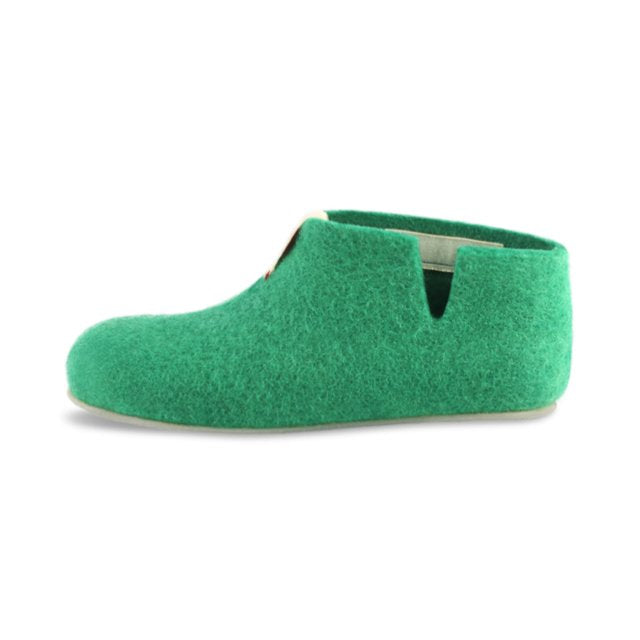
A child who kicks off stiff shoes the moment they get home is telling you something. The best kids indoor shoes should make everyday movement feel easy, whether that means building a block tower on the floor, running down a hallway, or settling into a quiet reading corner. They need to be comfortable enough to forget about, yet secure enough to stay on through a full day of play.
For families who prefer fewer, better things, indoor footwear is more than a seasonal extra. A well-made pair can help keep feet warm without trapping heat, protect little toes from cold floors, and create a practical boundary between outdoor dirt and the spaces where children relax, play, and learn.
What Makes the Best Kids Indoor Shoes?
The right pair starts with a simple idea: children’s feet are active. Even when they are indoors, they bend, climb, stretch, pivot, and move fast. Indoor shoes should support that natural rhythm rather than restrict it.
Look first for a flexible construction. A sole that bends with the foot helps children feel connected to the ground beneath them. That matters for everyday confidence, especially for younger children who are still developing balance and coordination. A shoe does not need to feel hard to feel secure.
Fit matters just as much. Indoor shoes should sit comfortably around the heel without slipping, while leaving room at the toes for natural movement. If a child has to curl their toes to keep a slipper on, or if the upper leaves deep marks on the foot, the fit is not right. Easy pull-on styles can work beautifully for independent dressers, while adjustable closures can be useful for children with narrower or wider feet.
Finally, consider the materials against the skin. Children often wear indoor shoes without thick socks, so the lining and upper need to feel soft from the first step. Natural wool is especially well suited to indoor wear because its fibers help manage warmth and moisture. Feet can stay cozy on cool mornings without feeling overly hot after an energetic afternoon.
Choose Indoor Shoes for the Way Your Child Moves
There is no single best option for every child. The best choice depends on where the shoes will be worn, how much movement they need to handle, and what your child finds comfortable.
For home routines
At home, lightweight slippers with a soft, flexible sole are often the most useful choice. They are easy to put on after breakfast, comfortable enough for long stretches of play, and simple to carry from room to room. A grippy sole is worth prioritizing if your home has wood, tile, or other smooth flooring.
Avoid choosing solely by thickness. A very padded slipper can feel warm, but it may also make a child less steady on their feet. For most homes, a low-profile design with reliable traction offers a better balance of comfort and movement.
For school, daycare, and indoor activities
Many schools and daycares ask children to change out of outdoor shoes. In this setting, indoor footwear should be easy for children and caregivers to manage. A pair that slips on quickly, stays secure during circle time and play, and fits neatly in a cubby is more practical than something overly structured.
Breathability becomes especially valuable here. Children can spend hours moving between classrooms, gyms, nap areas, and activity spaces. Materials that help regulate temperature can make a noticeable difference by the end of the day.
For travel and shared spaces
Indoor shoes are also useful beyond the house. They are a comfortable companion for family visits, hotel rooms, and long travel days when children want something softer than their regular sneakers. A packable pair with a sole suited to short trips through hallways or common areas gives families flexibility without adding another bulky item to the bag.
If the shoes may be worn in places with damp floors or frequent outdoor transitions, choose a more durable sole and keep expectations realistic. Most indoor shoes are designed for indoor comfort first, not for playground gravel or rainy sidewalks.
Why Wool Works So Well Indoors
Indoor footwear should feel warm, but warmth alone is not enough. Synthetic materials can create a stuffy feeling when a child is active, while heavy constructions can make small feet feel weighed down. Wool offers a more balanced approach.
Its naturally breathable fibers help respond to changing temperatures. That means wool can feel comfortably warm during a chilly morning and remain pleasant when the room warms up later. It also helps manage moisture, which is useful for children whose feet tend to get warm in slippers or socks.
Wool’s soft texture is another advantage. A quality wool upper can conform gently to the foot over time, creating a relaxed, lived-in feel without needing a long break-in period. For children sensitive to scratchy seams or rigid uppers, this can make getting dressed less of a negotiation.
Material choice also shapes the life of the product. When thoughtfully designed and cared for, wool footwear can stay in regular rotation rather than becoming a one-season purchase. Baabuk designs wool footwear around this kind of everyday comfort, pairing natural performance with clean, Swiss-inspired simplicity.
How to Get the Fit Right
Children grow quickly, but sizing up too far is not the answer. Indoor shoes that are too large can slide at the heel, catch at the toe, and make running less stable. Aim for a small amount of room in front of the longest toe, with enough space for feet to spread naturally.
Try shoes on later in the day when feet are slightly fuller. Have your child walk, squat, and stand on tiptoe while wearing both shoes. Watch for heel lift, toe gripping, or hesitation. The right pair should feel secure without requiring them to think about it.
Check the fit regularly, particularly during growth spurts. A child may not always say that a shoe feels short, especially if they love the color or are attached to a favorite pair. Look for toes pressing against the front, new redness around the heel, or reluctance to put the shoes on.
Small Details That Make a Big Difference
The best indoor shoes are usually defined by thoughtful details rather than extra features. A textured outsole helps reduce slips on smooth surfaces. A low, flexible profile supports natural movement. A heel that holds its shape can keep the shoe from collapsing after repeated wear.
Ease of care belongs on the checklist, too. Kids’ footwear meets crumbs, paint, pet hair, and the occasional spilled snack. Choose materials and construction that can be aired out between wears and cleaned according to the maker’s instructions. Wool often benefits from simple care: let it dry fully, brush away surface dirt when needed, and avoid unnecessary washing.
It is also worth considering longevity before buying. Can the shoes move down to a younger sibling once outgrown? Is the sole durable enough for daily use? Does the brand offer repair, replacement, recycling, or resale options? Circular choices do not need to be complicated. They begin with choosing a pair made to be worn often and cared for well.
When Slippers Are Not Enough
Soft slippers are ideal for many indoor moments, but some children need a little more structure. If your child spends the day moving quickly on slick floors, tends to roll their ankle, or wears indoor shoes for school activities, a more secure slipper-shoe with a supportive heel and dependable outsole may be the better fit.
On the other hand, a child who mainly wants warmth during quiet mornings may prefer the lightest, simplest style possible. The goal is not to overbuild the shoe. It is to match the shoe to the day ahead.
A great pair of indoor shoes earns its place by making ordinary moments more comfortable: the first cold floor of the morning, a busy afternoon indoors, the familiar ritual of coming home. Choose a pair that lets kids move freely, feel comfortable in their own space, and get back to the important work of being children.