
















Slippers Versus House Socks for Better Comfort
The first cold floor of the morning makes the choice feel simple: reach for something soft. But slippers versus house socks is not only a question of warmth. It is about how you move through your home, how much support your feet need, and whether your indoor layer can keep pace with coffee runs, video calls, and slower weekends.
The best option is the one that makes home feel easier. For some people, that means the light, close-to-the-foot feel of house socks. For others, it means a structured slipper with a proper sole. Knowing where each works best helps you choose comfort with less compromise.
Slippers versus house socks: the practical difference
House socks are usually soft, flexible, and designed to replace regular socks when you want more warmth at home. Some have grippy dots or a textured sole, but they generally move with your foot like a thick sock. They are easy to pack, easy to pull on, and especially appealing if you dislike the feeling of a shoe indoors.
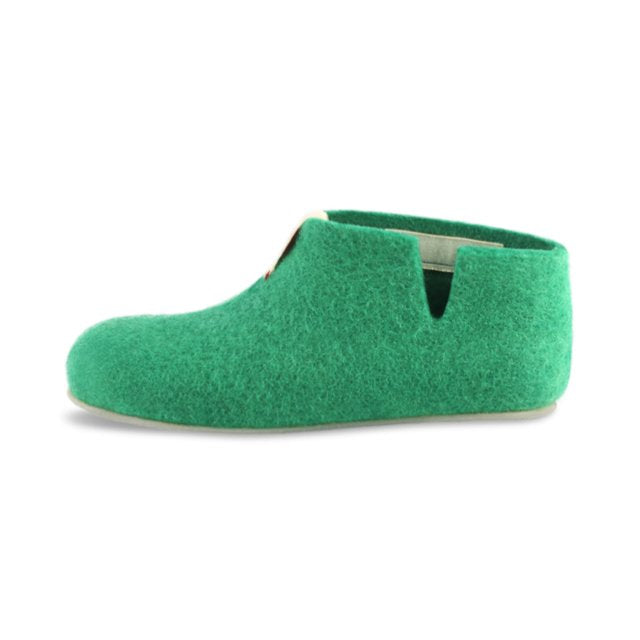
Slippers bring more structure. A shaped footbed, a sole, and an upper that holds its form can create a more secure feel underfoot. Depending on the style, they may offer more cushioning and a better barrier between your feet and hard surfaces. They also tend to look more finished when you are moving through shared spaces or answering the door.
Neither is automatically better. The real distinction is how much protection and support you want from your indoor footwear. House socks prioritize freedom and softness. Slippers prioritize stability, durability, and a shoe-like fit.
Choose house socks when lightness matters most
House socks make sense for a quiet, low-impact routine. If you spend most of the evening reading on the sofa, working with your feet tucked under a chair, or relaxing in a carpeted home, their flexible construction can feel ideal. They take up almost no room in a weekend bag, which makes them useful for travel and overnight stays.
They can also be the better choice when indoor temperatures change throughout the day. A pair made with wool can provide breathable warmth without the bulky feeling that makes your feet feel trapped. Wool helps manage moisture vapor and can remain comfortable across a range of temperatures, which is useful when one room is sunny and another stays cool.
The trade-off is underfoot protection. Even grippy house socks are not built like footwear. Their soles can wear faster, and they may not offer enough separation from tile, wood, or outdoor debris near an entryway. If you regularly carry laundry, cook on hard flooring, or chase after children, that lack of structure can become noticeable.
Choose slippers for more support and more movement
Slippers are a stronger everyday choice when your home has hard floors or your routine keeps you on your feet. A supportive sole can make long stretches in the kitchen, home office, or hallway feel more comfortable. It also gives you a steadier step when you are going up and down stairs.
A well-designed wool slipper does more than add warmth. Wool creates a soft interior climate around the foot, while a durable outsole makes the slipper feel ready for real life at home. This combination is particularly useful for remote workers who want a clear shift out of outdoor shoes without switching to something flimsy.
Style matters here, too. Minimal slippers with clean lines can feel intentional rather than temporary. They work with the relaxed uniform many people wear at home: knitwear, soft trousers, a crisp T-shirt, or whatever gets you from the first meeting of the day to dinner without a full outfit change.
A slipper is not always the most convenient answer, though. If you want something you can fold into a tote or wear curled up on the couch, its sole and shape can feel like more than you need. The right slipper should feel substantial, not restrictive.
Why wool works in both
Material has as much influence on comfort as silhouette. Synthetic fleece can feel warm at first, but it may hold onto heat and moisture during long wear. Natural wool has a different kind of performance: it is insulating, breathable, and naturally resistant to odor buildup. That means less of the clammy, overheated feeling that can make indoor footwear uncomfortable by midday.
For house socks, wool adds warmth without requiring excessive thickness. For slippers, it creates a cozy upper that adapts to everyday use while keeping the design visually simple. The result is a comfort layer that works in cooler months but does not need to disappear the moment the heat comes on.
Wool also suits a more considered home wardrobe. When an item is designed to be worn often, repaired where possible, and kept in rotation for years, it asks less of your closet and more of its materials. Choosing fewer, better indoor essentials can be a practical part of responsible consumption.
Consider your floor, routine, and fit
Before choosing between slippers and house socks, think about the surfaces beneath your feet. Thick rugs and carpeting are forgiving, so house socks can be plenty. Smooth wood, stone, and tile call for better grip and more cushioning, especially if you tend to walk quickly or carry things with both hands.
Your daily rhythm matters just as much. House socks work beautifully for wind-down time and travel. Slippers make more sense for active mornings, long work-from-home days, and households where you move constantly between rooms. If you have an entryway routine that involves taking shoes off right away, slippers can make the transition feel immediate and comfortable.
Fit deserves attention. House socks should stay in place without squeezing your toes or leaving deep marks around your ankle. Slippers should give your toes room while holding your heel securely enough that you are not gripping with your feet as you walk. A too-large slipper can be as tiring as a too-small one.
If you are between sizes, consider how you prefer your indoor footwear to feel. A closer fit may suit a sock-like slipper, while a roomier fit can be welcome if you plan to wear regular socks underneath. Check the shape of the toe box, not just the length, especially if you prefer a natural, unconfined stance.
Care can extend the life of indoor footwear
Indoor footwear sees more use than it gets credit for. Airing wool slippers or house socks between wears helps them stay fresh. Spot cleaning small marks promptly can prevent the need for more frequent washing, while following the care instructions protects the fibers and preserves the shape.
It also helps to keep your indoor pair truly indoors. A quick trip to the mailbox can bring moisture and grit onto the sole, which then follows you through your home. If your slippers have a sole built for brief outdoor moments, let them dry fully afterward and brush away dirt before wearing them inside again.
When wear eventually appears, look at the construction before replacing the pair. Repair and replacement options, resale, and recycling programs can keep useful materials in circulation longer. A comfort staple should be designed for more than one season of use.
The better choice is the one you will wear
Choose house socks if you want warmth with almost no weight, especially for lounging, travel, and soft floors. Choose slippers if you want more grip, support, and a polished at-home shoe for daily movement. Many homes have room for both: house socks for stillness, slippers for everything that keeps the day moving.
Start with the moment you most want to improve. If it is the cold floor beside your bed, softness may be enough. If it is the hour you spend cooking dinner barefoot on tile, a supportive wool slipper can make that everyday ritual feel noticeably better.