


















Why Choose B Corp Footwear for Everyday Life?
A shoe can look minimal, feel soft, and still leave plenty of unanswered questions. What is it made from? How long is it meant to last? What happens when it wears out? Why choose B Corp footwear? Because the answer should involve more than a good-looking upper and a comfortable sole.
For everyday shoes, slippers, sandals, and boots, B Corp certification offers a useful signal: the company behind the product has chosen to measure its business against broader standards of responsibility. It does not make a shoe perfect, and it does not replace your own judgment. It does, however, give you a clearer starting point when comfort, design, and considered production all matter.
What B Corp Means for Footwear
B Corp certification is awarded to companies that meet verified standards across their business, not just one product or one seasonal collection. That wider view matters in footwear, where material choices are only one part of the story. Design, manufacturing relationships, packaging, workplace practices, business governance, and end-of-life planning all shape a shoe's real impact.
A B Corp is assessed by B Lab, the nonprofit behind the certification. The process asks businesses to examine how they operate and to provide supporting evidence for their practices. Certified companies are also expected to revisit that performance over time rather than treating certification as a one-time badge.
For a shopper, this means a B Corp logo is best understood as accountability at the company level. It is not a claim that every shoe has the same footprint or that every material is without trade-offs. It is evidence that the brand is willing to be evaluated beyond sales, style, and short-term growth.
Why Choose B Corp Footwear Instead of a Standard Pair?
Most footwear is built around a fast cycle: new color, new season, new purchase. The pressure to reduce cost can lead to heavy use of synthetic materials, short product lifespans, and limited information about how a shoe was made. A B Corp approach encourages a different set of questions before the product reaches your door.
The practical benefit is not abstract. You are more likely to find a brand thinking about durability, repair options, responsible material sourcing, and what happens after a pair has done its job. These choices can make a difference in how often you replace your footwear and how much value you get from each pair.
That matters especially for the shoes you reach for constantly. A dependable house slipper for long work-from-home days, a breathable sneaker for commuting, or an easy travel shoe should earn its place in your rotation. Buying less often is easier when what you own feels good enough to wear again tomorrow.
Better questions create better product decisions
B Corp certification does not dictate one material or one design language. Instead, it pushes companies to look at the consequences of their decisions. For footwear, that can mean selecting materials for long-term performance, reducing unnecessary components, designing with repair in mind, or creating systems for resale and recycling.
Wool is a strong example of material-first design. It is naturally breathable, helps manage moisture, and adapts well across changing temperatures. In a well-designed shoe, those qualities can support all-day comfort without relying on an overly complicated construction. The best material is not simply the newest one. It is the one that performs for the intended use and holds up to repeat wear.
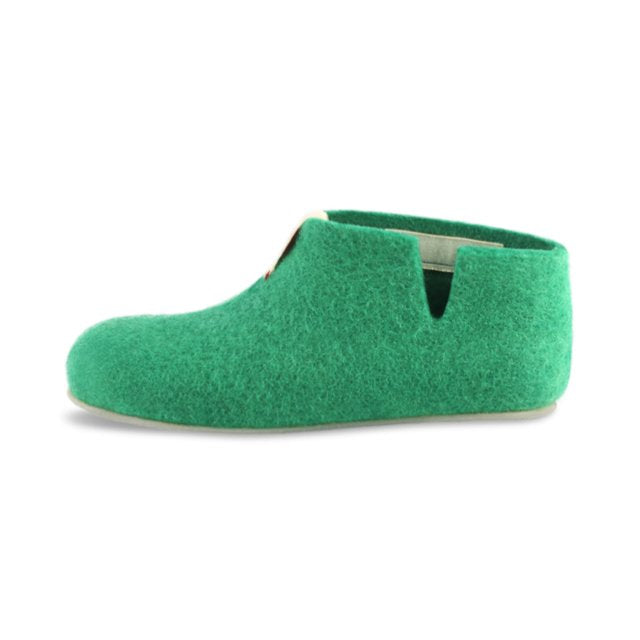
At Baabuk, wool is central to this idea. It brings a soft, distinctive texture to slippers, sneakers, boots, and sandals while delivering practical everyday performance. The goal is not to make footwear that looks responsible only on a product page. It is to create pairs people genuinely want to live in.
Comfort and Longevity Belong Together
Sustainability can sound distant until your shoes stop working for your life. A pair that traps heat on a crowded train, feels stiff at your desk, or looks worn after a few weeks is unlikely to become a favorite. Comfort is not separate from responsible consumption. It is part of it.
When footwear fits naturally into your routine, you wear it more. That is why thoughtful details matter: flexible construction, breathable materials, uncomplicated silhouettes, and colors that work with the clothes already in your closet. A clean wool sneaker can move from weekday errands to a casual dinner. A supportive slipper can make home feel more comfortable without looking like an afterthought.
Durability has limits, of course. No shoe lasts forever, and a lightweight indoor slipper should not be judged by the same standard as an outdoor boot. The right expectation depends on the activity, the weather, and how you care for the pair. What matters is that the brand designs honestly for its intended use instead of promising one shoe for every situation.
Look Beyond the Certification Mark
A B Corp designation is a meaningful filter, but it should be the beginning of your research, not the end. Consider whether the brand explains where its footwear is designed and crafted, identifies its key materials, and offers straightforward care guidance. Clarity is often more valuable than broad environmental language.
It is also worth looking for a plan beyond the first purchase. Repair and replace services can help extend the life of a pair with a specific issue. Resale marketplaces give shoes with plenty of wear left a chance to stay in use. Recycling initiatives can create an option for pairs that have reached the end of the road. Not every service will apply to every shoe or every location, but the presence of these systems shows that the brand is thinking beyond the checkout page.
Circularity is not a magic word. It takes participation from both the brand and the wearer, and some constructions are easier to repair or recycle than others. Still, a company that builds pathways for care, reuse, and recovery is making a more useful promise than one that only encourages the next purchase.
How to Choose the Right B Corp Shoe
Start with your actual day, not an idealized version of it. If you spend most of your time indoors, a wool slipper with a dependable sole may be the pair that gets the most use. If you walk several miles through the city, prioritize fit, support, traction, and the kind of upper that suits your climate. For travel, versatility and packability may matter more than a highly specialized feature set.
Then think about wardrobe longevity. A restrained shape and well-chosen color can make a shoe easier to repeat across seasons. This does not mean every pair needs to be neutral. It means the design should still feel right after the initial excitement fades.
Finally, read the care instructions and use them. Brushing away dirt, airing out natural fibers, storing footwear away from direct heat, and addressing small issues early can extend the useful life of a favorite pair. Responsible footwear is not only about how it is made. It is also about how it is worn.
Choosing B Corp footwear is ultimately a choice to expect more from the brands in your closet. Look for the pair that feels right underfoot, fits your life with ease, and comes from a company prepared to stand behind more than the next season's launch.


