
















How to Clean Wool Slippers the Right Way
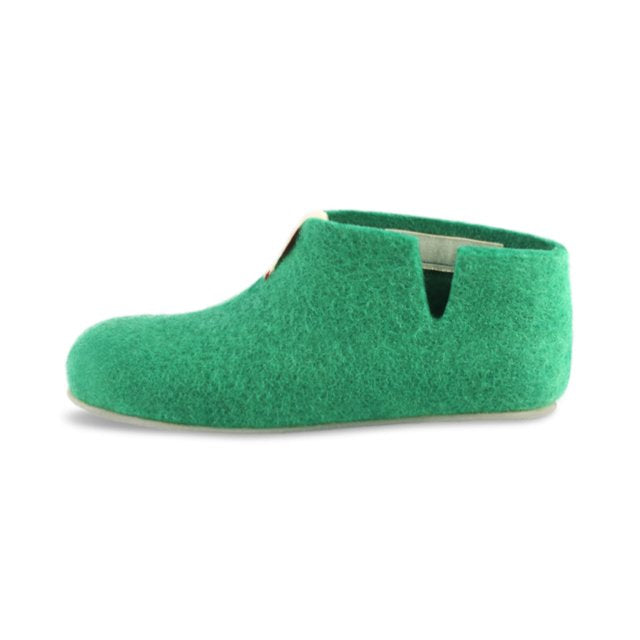
Your wool slippers do a lot of quiet work. They keep feet warm without overheating, soften hard floors, and become part of the daily routine fast. That is exactly why knowing how to clean wool slippers matters. A little care keeps the wool fresh, the shape intact, and the comfort level exactly where it should be.
Wool is naturally resilient, but it is not a material that responds well to rough treatment. If you scrub too hard, soak too long, or use the wrong temperature, slippers can shrink, stiffen, or lose their clean silhouette. The good news is that most pairs do not need aggressive washing. In most cases, a light, thoughtful approach works better and lasts longer.
How to clean wool slippers without damaging them
The first step is to check what kind of cleaning your slippers actually need. If they only have light surface dirt or a bit of odor, you can usually freshen them up without a full wash. If there is a visible stain, dampness from outdoor wear, or buildup around the footbed, then a more thorough clean makes sense.
Start by removing loose dust and debris. A dry cloth or a soft brush is usually enough. Focus on the upper, the seams, and the edge where dust tends to collect. If your slippers have a sole with tread, clear out any small particles there too. This keeps dirt from being pushed deeper into the wool once water is involved.
For spot cleaning, use cool to lukewarm water and a small amount of mild wool-safe detergent. Dampen a clean cloth rather than pouring water directly onto the slipper. Then gently blot the stained area. Try not to rub in circles with pressure. Wool fibers can felt further when they are worked too aggressively, which changes the texture and finish.
If the stain lifts, stop there. Over-cleaning is often what does the damage, not the stain itself. Blot again with a clean damp cloth to remove any soap residue, then reshape the slipper with your hands.
When hand washing is the better choice
Sometimes spot cleaning is not enough. If your slippers have absorbed odor, picked up heavy dirt, or simply need a reset after regular wear, hand washing is usually the safest method.
Fill a basin or sink with cool to lukewarm water. Add a small amount of gentle detergent made for wool or other delicate fabrics. Less is better here. Too much soap takes longer to rinse out and can leave the fibers feeling coated. Be sure to avoid getting detergent on natural soles, as these can be deformed by soaps.
Place the slippers in the water and press them down gently so they get evenly wet. Do not leave them to soak for a long time. A few minutes is enough for most pairs. After that, use your hands to lightly press the wool and move water through the material. Think more rinse than scrub.
Pay extra attention to the footbed, where natural oils and daily wear tend to build up. If needed, use your fingertips or a soft cloth to clean those areas. Once they look fresh, drain the water and rinse the slippers thoroughly with cool clean water until no soap remains.
The key is to keep the process calm and controlled. Sudden temperature changes, twisting, or wringing are what usually lead to misshapen wool.
Should you use a washing machine?
It depends on the slipper construction and the care label, but hand washing is still the safer route. Some wool slippers can tolerate a delicate machine cycle, especially if they are designed for easy care. Even then, the risk is higher. Agitation can change the texture, and heat can reduce the size fast.
If you decide to machine wash because the care instructions allow it, use a wool or delicate cycle, cold water, and a laundry bag. Skip heavy spin settings. Still, for premium wool slippers with a shaped fit, hand washing gives you more control and usually better results.
Drying matters as much as washing
A clean pair of slippers can still be ruined in the drying stage. Wool needs time to dry naturally. After washing, press out excess water gently with your hands. Do not twist them. Then place the slippers on a clean dry towel, roll the towel up, and press lightly to absorb more moisture.
Once they are damp rather than wet, reshape them. This step makes a real difference. Smooth the upper, adjust the opening, and make sure both slippers match in form. Then let them air dry at room temperature.
Keep them away from radiators, direct sunlight, heated floors, and dryers. Heat might seem like a shortcut, but it is usually what causes shrinking and stiffness. Patience keeps the wool softer and the fit more consistent.
If you want them to hold their shape while drying, stuff them lightly with a dry towel or plain paper. Avoid overfilling. You want support, not stretching.
How to handle odor and everyday buildup
Wool naturally helps manage moisture and odor, which is one reason it works so well for slippers. But even high-performing natural materials benefit from regular care, especially if the slippers are worn every day.
The easiest habit is simple airing out. After wearing them, leave them in a dry, well-ventilated space instead of pushing them straight under the bed or into a closet. Giving wool time to breathe often prevents odor before it starts.
If the inside needs refreshing, let the slippers dry fully first. Moisture trapped inside is usually part of the problem. A light cleaning of the footbed with a damp cloth and mild detergent can help, followed by full air drying.
For persistent odor, washing may be the better option. Avoid masking smells with heavy fragrance sprays. They do not solve buildup, and some formulas can leave residue on natural fibers.
Stain care for real life wear
Not every stain needs the same approach. Mud should be left to dry first, then brushed off before you use any water. Liquid spills should be blotted immediately with a dry cloth. Oily marks can be more stubborn and may need repeated gentle blotting with diluted wool detergent.
If your slippers have different materials, like wool uppers with rubber soles or suede details, treat each area accordingly. The wool section needs gentler care than the sole, and using one cleaning method for the whole slipper can lead to uneven results. This is one of those cases where slower is smarter.
A good rule is to test any detergent on a small less-visible area first. That extra minute can save the finish.
How often should you clean wool slippers?
There is no fixed schedule because it depends on how and where you wear them. A pair used only indoors on clean floors will need less washing than slippers that regularly step onto patios, hallways, or shared building entrances.
For most people, spot cleaning as needed and occasional hand washing is enough. If the slippers still look clean, smell fresh, and feel comfortable, there is no reason to wash them just because time has passed. Wool performs best when it is cared for consistently, not overprocessed.
That mindset also supports longevity. The better you care for wool, the longer it keeps its natural comfort, temperature balance, and design integrity. Well-made slippers are meant to be lived in, not treated as disposable.
A few care mistakes worth avoiding
Most damage comes from a short list of preventable habits. Hot water is one. High heat drying is another. Harsh detergent, bleach, and vigorous scrubbing also tend to do more harm than good.
It is also worth avoiding long soaking sessions. People often assume more time in water means a deeper clean, but with wool, that can backfire. The fibers do not need force. They need restraint.
If your slippers are part of a design-led, natural material wardrobe, care is part of the experience. That is true whether you wear them seasonally or every single morning. Brands built around wool, including Baabuk, design for comfort and everyday use, but everyday use still deserves the right maintenance.
Clean them gently, dry them slowly, and resist the urge to overdo it. Wool usually tells you what it needs, and when you listen, it keeps giving back comfort that feels effortless.


