















Do Wool Slippers for Sweaty Feet Really Work?
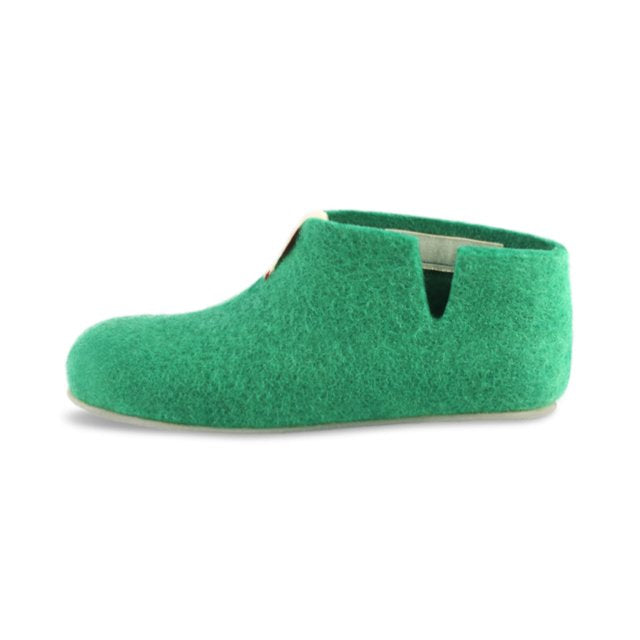
A warm pair of slippers can feel like the right answer to cold floors, until your feet feel damp halfway through the morning. For people who run warm at home, wool slippers for sweaty feet can be a more comfortable choice than plush synthetic pairs because wool manages moisture differently from most common slipper materials.
The key is not that wool prevents feet from sweating altogether. Sweating is a normal cooling response, and some people naturally perspire more than others. The advantage of wool is how it handles that moisture before it turns into the clammy, sticky feeling that makes slippers uncomfortable.
Why wool feels drier underfoot
Wool fibers can absorb water vapor while still feeling dry on the surface. Instead of trapping moisture against the skin as many synthetic linings can, wool takes in that vapor and helps regulate the microclimate around your feet. That is why quality wool footwear can feel comfortable across a wider range of indoor temperatures.
This matters most when you move between rooms, work from home, cook dinner, or simply keep your slippers on for hours. Your feet are not always producing the same amount of heat. A material that feels cozy at 8 a.m. can feel overly insulated by 2 p.m. Wool has a natural ability to adapt, offering warmth when the floor is cold without creating the sealed-in sensation associated with foam-heavy or fully synthetic slippers.
Wool also has natural odor-resistant properties. Odor develops when moisture, warmth, and bacteria have the right conditions to build up. By helping move moisture away from the surface of the foot, wool can keep slippers fresher between wears. It is not a substitute for regular care, but it can make a noticeable difference in a daily pair.
Wool slippers for sweaty feet: what makes a pair work
Not every wool slipper is built the same way. The material composition, shape, sole, and fit all affect how well a slipper performs for warm feet.
Look for real wool where it counts
A slipper with wool on the inside is usually the most relevant choice for sweaty feet. A wool upper may add warmth and visual texture, but the lining or footbed is where your foot spends the day. Felted wool interiors and wool-rich footbeds put the material's moisture-managing benefits close to the skin.
Be mindful of pairs that rely heavily on polyester fleece, thick memory foam, or plastic-based linings. These can feel soft at first, but they may hold heat and take longer to dry after a long day of wear. If a slipper has cushioning, a breathable wool layer around the foot still helps create a more balanced feel.
Choose a shape that gives your feet room
A close fit can be supportive, but a tight slipper limits airflow and compresses the material beneath your foot. Look for enough space at the toes and across the forefoot to wiggle comfortably. The heel should feel secure without rubbing, and the upper should not press down heavily across the top of the foot.
Closed-back slippers are often warmer and more stable, especially for cooler homes and hard floors. Open-back styles can feel airier and are easy to slip on between meetings or errands around the house. Neither is automatically better. If your feet get hot quickly, an open-back design may be the more comfortable starting point. If you want a slipper for early mornings, winter, or quick trips outdoors, a closed-back option may offer the right balance of coverage and breathability.
Consider the sole, not just the wool
The sole determines where and how you will wear your slippers. A light, flexible sole is ideal for indoor comfort and quiet movement around the home. A durable rubber sole gives you more freedom to step onto the porch, take out recycling, or walk to the mailbox without changing shoes.
For sweaty feet, the trade-off is simple: a thicker, more protective sole can add warmth, while a lighter sole may feel cooler. Your home, climate, and routine should guide the choice. A warm apartment with radiant floors calls for something different from a drafty house with tile floors.
How to wear wool slippers more comfortably
Going barefoot in wool slippers is often the most direct way to benefit from the fiber's moisture management. Wool can handle normal daily perspiration and feels soft against bare skin. For many people, that is the point of a good house slipper: less bulk, fewer layers, and an easy transition into home mode.
Still, socks can be useful. If you perspire heavily, a lightweight wool sock can add another layer that absorbs moisture and can be changed during the day. Avoid thick synthetic athletic socks inside already-warm slippers, especially if your feet tend to overheat. They can create more insulation than you need.
It also helps to rotate your footwear. Give slippers time to air out between long wears, particularly after an active day. If you own one pair for everyday indoor use and another for travel or colder weekends, each pair has more time to recover its shape and freshness.
Keeping wool slippers fresh without over-washing
Wool does not need constant washing. In fact, frequent washing can be harder on a well-made slipper than a simple airing routine. After wearing them, place your slippers in a dry, ventilated area rather than pushing them under a bed or into a closed closet. Letting moisture dissipate is often enough to refresh them.
For light odor, air them out near an open window or in a protected outdoor spot away from direct, harsh sunlight. Remove loose dirt with a soft brush or dry cloth. If the footbed needs a deeper clean, follow the care instructions for that specific pair. Some designs can be spot cleaned with a small amount of mild wool-safe detergent, while others require more careful handling.
Do not place wool slippers directly on a radiator, in a dryer, or near intense heat. High heat can shrink or distort wool and may affect adhesives or soles. Patience is better for the material. Stuffing the slippers loosely with clean paper while they dry can help them hold their shape.
If a pair starts to feel consistently damp, even after airing out, check the fit and your routine. A slipper that is too small, worn every day without a break, or paired with non-breathable socks may not have enough opportunity to dry fully.
When sweaty feet need more than better slippers
Wool slippers can improve everyday comfort, but they are not a cure for excessive sweating. If your feet suddenly sweat much more than usual, develop persistent irritation, peel, itch, or have a strong odor that does not improve with regular hygiene and dry footwear, it is worth speaking with a healthcare professional.
For normal warm-foot days, though, the right material can change the experience. Baabuk designs wool footwear around the idea that comfort should work with your body, not ask your feet to tolerate a hot, synthetic enclosure. A thoughtfully made wool slipper gives you softness, warmth, and a more breathable place to land.
Your home footwear should feel easy enough to forget about. Choose wool that touches the foot, leave room for natural movement, and give your pair time to air between wears. That small shift can make coming home feel cooler, drier, and far more comfortable.


