
















Wool Clogs vs Rubber Clogs: Which Fits Your Day?
A clog can look like the simplest shoe in your rotation, yet the material changes almost everything about how it feels. In the wool clogs vs rubber clogs decision, the right choice comes down to where you wear them, how warm your feet run, and whether you want a shoe that feels more at home on your feet or more prepared for a wet patio.
Both have earned their place in everyday life. Rubber clogs are practical, easy to rinse, and ready for messy jobs. Wool clogs bring a softer, more breathable kind of comfort that suits slow mornings, work-from-home hours, school runs, and quick trips beyond the front door. The better option is not universal. It is the one that matches the rhythm of your day.
Wool Clogs vs Rubber Clogs: The Core Difference
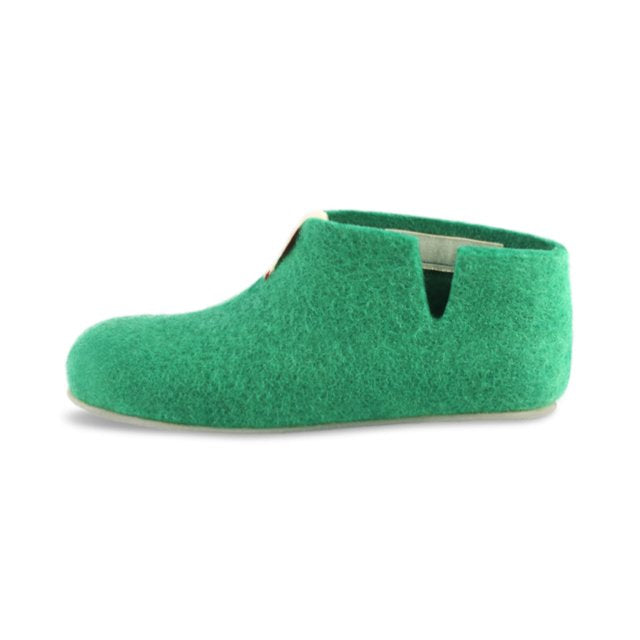
Wool clogs are built around a natural fiber with a distinct feel. Wool helps regulate temperature, manages moisture vapor, and creates a cushioned, cozy interior without the sealed-in sensation many people associate with synthetic footwear. A wool upper also has visual depth: it is soft, textured, and easy to pair with relaxed, minimalist clothing.
Rubber clogs are designed for utility. Their molded construction is typically water-resistant, quick to clean, and highly forgiving around dirt, spills, and rain. They often have a more casual, sporty appearance and can be a sensible choice for gardening, poolside use, campgrounds, or any setting where you expect your shoes to get messy.
The distinction is less about which material is better and more about what you need your clogs to do. Think of wool as indoor-outdoor comfort with a polished, natural finish. Think of rubber as a washable workhorse for wet and dirty conditions.
Comfort Is More Than Cushioning
The first few steps in a pair of clogs matter, but so does the fourth hour. This is where wool has a meaningful advantage for many wearers. Wool fibers naturally create small pockets of air, helping feet feel warm when the room is cool and less stuffy when the temperature rises. The material also has a gentle give that makes a clog feel less rigid over time.
For remote work, travel days, and everyday errands, that temperature balance can make wool clogs feel especially easy to keep on. You may start the morning barefoot in them, then add socks for a walk to the coffee shop without needing to change shoes. The best wool clogs offer structure underfoot while keeping the upper light and flexible.
Rubber clogs can feel cushioned too, particularly when they use a foam-like molded material. But rubber does not breathe in the same way. On warm days or during long periods of wear, some people find that their feet become sweaty or that the footbed feels clammy. Socks can help, though they also change the casual, slip-on simplicity that draws many people to rubber clogs in the first place.
If Your Feet Run Warm
If you tend to kick off shoes because your feet overheat, wool is often the more comfortable everyday material. Its ability to move moisture vapor away from the foot helps create a drier feeling across changing temperatures. That does not make wool clogs the right choice for standing in a downpour, but it does make them well suited to daily wear in homes, offices, and dry outdoor settings.
Where Each Clog Works Best
Rubber clogs are difficult to beat for wet chores. They are a natural pick for gardening, washing the car, walking across a wet deck, or carrying gear around a campsite. A quick rinse is usually enough to remove mud, and the molded material does not require much thought after a messy afternoon.
Wool clogs belong in the places where comfort and appearance share equal weight. They work beautifully as elevated house shoes, but they do not need to stay indoors. A well-designed pair with a durable outsole can handle dog walks, neighborhood errands, travel, and casual meetups. Their clean silhouette feels intentional with jeans, wide-leg pants, or soft tailoring, rather than looking like a shoe reserved for chores.
That indoor-outdoor versatility matters if you prefer fewer, better things. Instead of switching from slippers to sneakers every time you step outside, a wool clog can carry you through much of a dry, ordinary day.
Traction and Weather: Read the Outsole, Not Just the Upper
It is easy to assume rubber clogs always offer better grip because the entire shoe is made from rubber-like material. In reality, traction depends on the outsole pattern, compound, and the surface beneath you. A deeply lugged rubber clog may grip well on slick ground, while a smooth molded sole may still slide on wet tile.
The same principle applies to wool clogs. The wool upper is not what meets the pavement. Look at the sole construction and tread if you plan to wear them outside often. A supportive rubber outsole can give wool clogs dependable grip for sidewalks and everyday movement, while preserving the warmth and breathability of the wool above it.
For sustained rain, puddles, slush, or muddy ground, rubber clogs are the lower-maintenance choice. Wool can handle the occasional splash, but it is not intended to replace dedicated rain footwear. Let the forecast guide your choice rather than asking one pair to cover every possible condition.
Care Is Different, Not Difficult
Rubber clogs win on instant cleanup. Rinse them, wipe them down, and let them air-dry away from direct heat. This makes them particularly useful in households with kids, gardens, or frequent outdoor projects.
Wool clogs need a gentler routine, but they are far from high-maintenance. Most day-to-day care is simple: air them out after wear, brush away dry dirt, and spot-clean when needed. Wool naturally resists odors better than many conventional shoe linings, so frequent washing is usually unnecessary. When a deeper clean is called for, follow the care guidance for the specific pair and avoid high heat, which can affect the fiber and shape.
A little care supports a longer life. That matters for any shoe, especially one you wear constantly at home. Choosing repair, resale, or responsible end-of-life options when available can also help keep useful materials in circulation longer.
Material Choice and the Bigger Footprint
Neither category is automatically low-impact simply because of its name. Rubber clogs may use natural rubber, synthetic compounds, or a blend, and their durability can be a real benefit when they are worn for years. Their practical design can also prevent the need for a separate pair of shoes for messy tasks.
Wool is a renewable natural fiber valued for its longevity, comfort, and performance across seasons. In a thoughtfully made clog, it can reduce the need for added synthetic lining while delivering warmth and breathability in one material. Still, the most responsible purchase is one you will reach for often, care for properly, and keep in use.
This is where design matters. A clog that feels good enough to wear every day has a better chance of becoming part of a considered wardrobe rather than another short-lived purchase. Brands such as Baabuk build around that idea: natural performance, durable construction, and a more circular approach to footwear care.
Style Has a Practical Role Too
Rubber clogs make a clear statement. They can be playful, utilitarian, and deliberately casual. Bright colors and bold shapes work well for a relaxed weekend, a beach bag, or a backyard uniform. If that is your style, their uncomplicated character is part of the appeal.
Wool clogs take a quieter approach. Their matte texture and clean profile pair easily with neutral wardrobes and layered outfits. They look natural beside linen, denim, cotton, and knitwear, making them a strong choice for people who want comfort without feeling underdressed when they leave the house.
There is also an emotional difference. Rubber clogs often feel like footwear you put on for a task. Wool clogs can feel like a small daily upgrade - the pair waiting by the door when you want to move through the day comfortably and look put together doing it.
Which Pair Should You Choose?
Choose rubber clogs if your priority is water resistance, fast cleanup, and carefree use around mud, spills, and wet surfaces. They are the practical specialist, ready for conditions that would ask too much of a wool upper.
Choose wool clogs if you want breathable comfort, natural temperature regulation, and a refined shoe for home and dry everyday outings. They are especially compelling for people who spend long hours on their feet at home, dislike overheated footwear, or want one easy pair that feels as good at a desk as it does on a neighborhood walk.
You may even find that both belong in your wardrobe. Keep rubber clogs for rainy chores and outdoor messes. Reach for wool clogs when comfort, material feel, and everyday design are the point. The best pair is the one that makes getting dressed feel simpler - and makes you want to take the next step.