


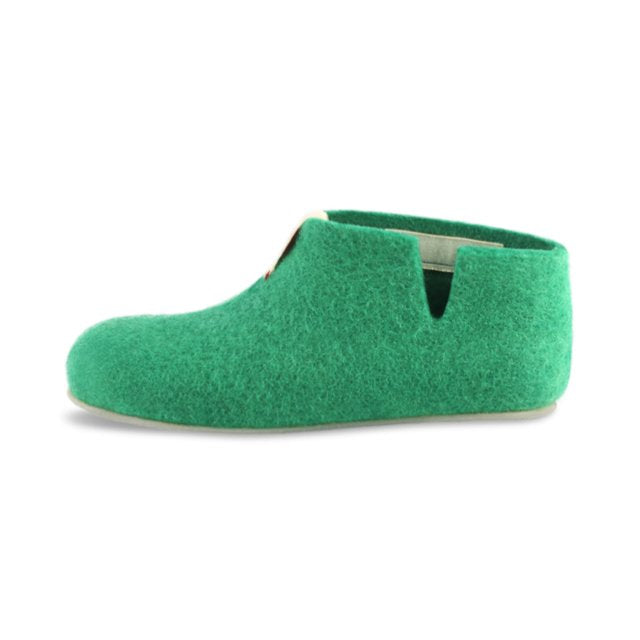
















Responsible Shoe Production That Feels Better
A shoe can look simple on a shelf and still carry a long chain of decisions: what it is made from, how those materials are processed, where it is assembled, and whether it can stay useful after years of wear. Responsible shoe production brings those decisions into view. It is not about adding a green label to a conventional product. It is about making footwear that feels good to wear, makes sense to keep, and is designed with its full life in mind.
For everyday shoes, that starts with a practical question: will this pair earn its place in your routine? Comfortable, versatile footwear is more likely to be worn often and cared for well. That matters because the most responsible shoe is not the one that sounds perfect in theory. It is the one that remains a favorite long after the first walk home.
What Responsible Shoe Production Looks Like
Responsible production is a system, not a single material or claim. It connects product design, manufacturing choices, packaging, transport, care, and end-of-life options. Progress in one area does not erase poor choices in another, which is why clear information matters.
A natural fiber, for example, can bring meaningful benefits such as breathability, softness, and temperature regulation. But it also needs to be selected carefully, processed thoughtfully, and used in a construction that supports a long product life. Recycled content can reduce reliance on new resources, but it should still perform well enough to justify its place in a shoe.
The goal is not to promise a footprint-free product. Shoes require materials, energy, skilled work, and movement across distances. The better goal is to reduce unnecessary impact while improving what the wearer experiences every day: comfort, durability, and ease of care.
Start with materials that have a job to do
Materials should do more than tell a good story. They should help the shoe perform.
Wool is a strong example. Its natural breathability and temperature-regulating qualities can help feet feel more comfortable across changing conditions. It is soft, resilient, and naturally suited to the rhythms of home, travel, commuting, and everyday life. When a material makes a shoe pleasant to wear, it supports longevity in a very direct way.
That does not mean every part of a shoe can or should be made from one fiber. Outsoles need grip and abrasion resistance. Structure may require different components. Color, water resistance, and support can call for specific treatments or blends. Responsible design means using each material with intention, avoiding complexity where it adds little value, and being honest about the trade-offs.
Material traceability also belongs in the conversation. Knowing where key components come from and where shoes are crafted gives customers a clearer picture of what they are buying. Transparency is not a marketing flourish. It is the basis for better questions and better decisions.
Design for Wear, Repair, and a Longer Life
A shoe’s environmental impact is closely tied to how long it stays in use. That makes durability a design priority, not an afterthought.
Longer-lasting footwear begins with fit. A beautiful sneaker that rubs, slips, or feels too restrictive will spend more time in a closet than on your feet. Thoughtful shaping, reliable sizing guidance, flexible uppers, and comfortable interiors can reduce that risk. For slippers and indoor-outdoor styles, easy wear matters just as much. The pair you reach for every morning is doing more good than the pair saved for a hypothetical occasion.
Construction matters, too. Reinforced stress points, quality stitching, durable soles, and materials that retain their shape can extend a shoe’s useful life. Minimalist design can help here. Fewer unnecessary layers and decorative elements may make a product easier to understand, wear, and eventually sort for recycling.
Repair is another part of responsible shoe production that deserves more attention. Not every worn sole or damaged upper can be restored, and repair is not always the lower-impact choice if shipping or replacement parts outweigh the benefit. Still, offering repair and replace options recognizes a simple truth: a small issue should not automatically mean the end of a good pair of shoes.
Care makes a difference as well. Airing footwear out between wears, brushing away dry dirt, spot-cleaning when needed, and following material-specific care guidance can preserve comfort and appearance. Wool footwear often benefits from a lighter-touch approach than people expect. Less aggressive washing can mean less stress on the material and less energy used at home.
Responsible Production Is Also About Better Choices After Purchase
The responsibility of a shoe does not end at checkout. Brands and customers share the next chapter.
Resale gives shoes with plenty of life left a new route forward. It can be especially useful for children’s styles, occasion-specific pairs, and shoes that no longer fit a customer’s routine. A resale marketplace also changes how we value used footwear. Wear is not always waste. A well-made pair may simply be ready for its next owner.
Recycling has a role, but it is not a magic finish line. Footwear is challenging to recycle because it often combines different materials that are bonded together. That is why designing with fewer, more considered components is valuable from the beginning. Recycling programs are most meaningful when they are part of a wider approach that includes durability, repair, and resale rather than a substitute for them.
Packaging and shipping deserve the same practical mindset. Right-sized packaging, reduced excess, and thoughtful logistics can lower avoidable waste. Yet there are trade-offs here, too. A shoe that travels a shorter distance but needs replacing quickly is not necessarily the better choice than a durable pair designed to stay in rotation for years.
How to Shop with More Intention
You do not need to inspect every stitch to make a more considered choice. Start with a few useful questions: Will I wear this often? Does the material match my climate and routine? Is the brand clear about where and how the product is made? Can I care for it easily? Is there a repair, replacement, resale, or recycling path if something changes?
It also helps to buy for real life rather than an idealized version of it. Remote work may call for a breathable slipper that still looks polished enough for a quick errand. Frequent travelers may value a lightweight sneaker that handles long days on foot. Families may need comfortable, durable styles that can move through more than one season. The right answer depends on how you live.
Price is part of that decision. A higher upfront cost can be worthwhile when it reflects materials, construction, comfort, and ongoing support that help a shoe last. But longevity should be demonstrated, not assumed. Look for clear care guidance, realistic product details, and programs that show a brand is prepared to stand behind what it makes.
Baabuk approaches this through wool-led footwear designed in Switzerland, alongside repair and replace support, recycling initiatives, and resale options. The point is not to treat responsibility as a separate collection. It is to build it into the everyday choices that shape a shoe from first wear to its next life.
The next time you choose a pair, look beyond the color and silhouette for a moment. Choose the shoe that fits your day, invites repeat wear, and has a plan for the miles ahead. That is where better design becomes a habit.