

















Wool Sneakers vs Mesh Sneakers: Which Fits?
A shoe can feel cool in the store and completely different after a long commute, a crowded flight, or eight hours at your desk. That is where the wool sneakers vs mesh sneakers decision becomes more than a style preference. Both can be light, casual, and easy to wear, but their materials handle heat, moisture, odor, and daily wear in distinctly different ways.
Mesh has become the familiar choice for athletic-inspired footwear. Wool brings a more natural, temperature-regulating approach to the everyday sneaker. The better pair is not simply the one labeled breathable. It is the one that suits how, where, and how often you move.
Wool Sneakers vs Mesh Sneakers at a Glance
Mesh sneakers are usually built with a woven synthetic upper, often polyester or nylon, designed to let air pass through easily. They can feel immediately airy, especially in dry, warm conditions. Many running shoes rely on mesh because it is lightweight and can be engineered with targeted structure and ventilation.
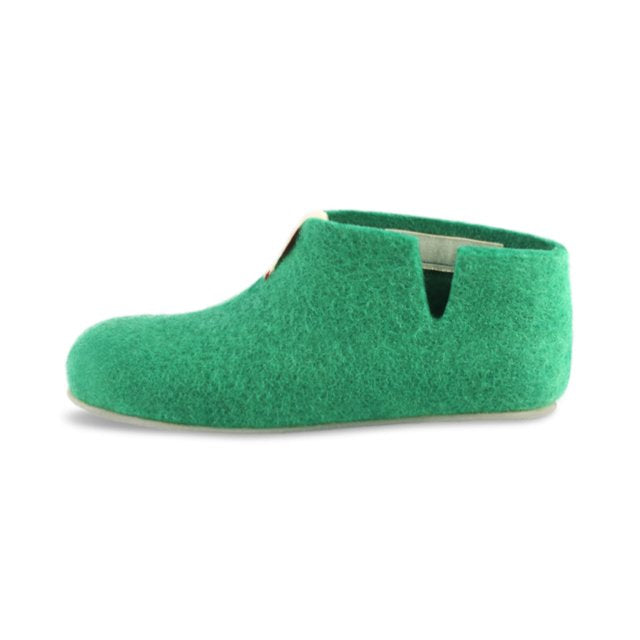
Wool sneakers use wool fibers in the upper, sometimes blended with other materials for shape and durability. Wool has a more substantial hand than open mesh, yet its fibers naturally help regulate temperature and manage moisture. Rather than relying only on open holes for airflow, wool works by absorbing moisture vapor and helping keep the microclimate around your foot more balanced.
That distinction matters. Breathability is not only about how much air enters a shoe. It is also about whether your feet stay comfortable when conditions change.
Comfort Through a Full Day
Wool feels soft from the start
For people who wear sneakers without socks, wool often has the advantage. Its fibers feel soft against the skin and can reduce the slick, synthetic feeling that some mesh uppers develop once feet get warm. A well-made wool upper also tends to have gentle give, adapting to the foot without feeling overly loose.
This makes wool a strong option for everyday life: walking to work, traveling, running errands, or moving between home and the office. The comfort is less about a highly technical performance fit and more about an easy, natural feel that holds up across a varied day.
Mesh can also be comfortable, particularly when paired with a padded collar, lining, and supportive foam sole. But the comfort depends heavily on the specific shoe construction. A thin mesh upper may feel cool at first while offering little protection from pressure points, drafts, or sudden changes in temperature.
Mesh can feel lighter during high-output activity
For a fast summer run or a high-intensity gym session, open mesh has a clear purpose. It moves air quickly and keeps the shoe's upper weight low. If your priority is dedicated sport performance, a purpose-built mesh running shoe may be the more appropriate tool.
Everyday sneakers ask for something different. They need to work when you are walking, sitting, commuting, and standing, often in the same day. In those conditions, the softer and more adaptable comfort of wool can feel especially considered.
Breathability and Temperature Regulation
It is easy to assume that mesh always wins on breathability. In very hot, dry weather, an open mesh shoe can indeed feel exceptionally ventilated. But wide-open mesh also leaves your feet more exposed to cold air, dust, and light rain.
Wool is breathable in a different, more versatile way. The fiber helps move moisture vapor away from the foot while providing light insulation when the temperature drops. This is why wool sneakers can work well across seasons, not just in one narrow weather window.
On a cool morning and a warm afternoon, mesh may leave your feet chilly early and sweaty later. Wool is often better at smoothing out that shift. For urban travel, changeable climates, and indoor-outdoor routines, that balance is worth more than maximum airflow alone.
Neither material is a substitute for a fully waterproof shoe in sustained rain. Mesh will usually wet through quickly, while wool can handle light moisture more gracefully but will eventually become saturated in heavy rain. For wet-weather walks, choose footwear designed specifically for the conditions.
Odor and Freshness
Odor is one of the least glamorous reasons to choose a sneaker material, but it can be one of the most practical. Synthetic mesh does not inherently resist odor. After repeated wear, especially without socks, it may need frequent washing to stay fresh.
Wool has natural odor-resistant properties, which can make a noticeable difference for daily wear and travel. It is a useful quality for anyone packing one versatile pair for a weekend away or keeping shoes by the door for quick, sock-free outings.
This does not mean wool sneakers never need care. Every shoe benefits from time to air out between wears. Still, wool's ability to stay fresher for longer can mean less washing, less effort, and a more pleasant experience over the life of the shoe.
Style, Structure, and Everyday Versatility
Mesh sneakers often look unmistakably sporty. That can be exactly right with workout clothes, technical outerwear, or an active weekend uniform. Some mesh styles are streamlined enough for casual outfits, but the material's visual language still tends toward performance.
Wool has a warmer, more textured appearance. It pairs naturally with denim, relaxed tailoring, chinos, and knitwear while remaining casual enough for everyday movement. A clean wool sneaker can look at home in a minimal wardrobe without asking for extra styling effort.
Structure is the trade-off. Mesh can be engineered to create a close, locked-in fit for sport. Wool typically prioritizes a more relaxed, flexible feel. If you need lateral stability for court sports, trail running, or demanding training, look for footwear made for that specific activity rather than expecting a lifestyle sneaker to do every job.
Durability and Care
Durability depends on the sole, stitching, reinforcement, and how the shoe is used, not just the upper material. Still, mesh can snag or tear when it catches on rough surfaces. Its thin construction can also show wear quickly in high-friction areas.
Wool is naturally resilient, but it needs sensible care. Brush away dry dirt, spot-clean when needed, and let shoes air dry away from direct heat. Avoid treating wool like a conventional gym shoe that can be tossed into a hot wash after every wear. Gentle care helps preserve the fibers, shape, and color.
A more responsible sneaker is also one you keep wearing. Choosing a versatile design, maintaining it well, and using repair, replacement, or resale options when available can extend its useful life. Baabuk approaches footwear with that longer view, pairing Swiss-designed wool comfort with circular care options for the everyday wardrobe.
Which Sneaker Is Right for You?
Choose mesh sneakers if you primarily need a lightweight shoe for workouts, hot and dry weather, or activities where maximum ventilation and sport-specific support matter most. They are a familiar, practical choice when the use case is clearly athletic.
Choose wool sneakers if you want a casual pair that feels comfortable across commuting, travel, work-from-home days, city walks, and relaxed weekends. They are especially compelling if you value softness without socks, natural odor resistance, and a material that adapts more comfortably to shifting temperatures.
There is room for both in a well-used shoe rack. Mesh earns its place for focused performance. Wool makes a strong case for the pair you reach for most often, because everyday comfort is not a bonus feature. It is the point.
Before choosing, think about your real routine rather than the most ambitious version of it. The right sneaker should make the walk to coffee, the train platform, the airport gate, and the final errand feel a little easier.


