

















Wool Slippers vs Cotton Slippers
A slipper earns its place fast. If you work from home, travel often, or simply want your space to feel better the moment you step inside, the material matters more than most people expect. When comparing wool slippers vs cotton slippers, the difference is not just about softness. It affects warmth, breathability, odor, shape retention, and how well your slippers hold up over time.
Both materials have a place in a modern wardrobe. Cotton feels familiar, light, and easy. Wool feels more specialized, but that is exactly why many people end up preferring it for daily wear. The better choice depends on your climate, your routine, and whether you want a slipper that behaves more like a basic house shoe or a true comfort essential.
Wool slippers vs cotton slippers for everyday comfort
Comfort is the first test, and it starts with how a slipper responds to your foot over the course of a full day. Cotton slippers usually feel soft right away. They are often lightweight, flexible, and easy to slip on for quick use around the house. If your priority is a casual, breathable layer between your feet and the floor, cotton can feel simple and pleasant.
Wool comfort works differently. It tends to feel more adaptive than flat. Good wool slippers cushion the foot while also helping regulate temperature, which matters if you wear them for hours rather than minutes. Instead of feeling warm in a heavy way, wool often feels balanced. Your feet stay cozy without getting trapped in that overheated, slightly damp feeling that can happen with other materials.
This is where natural performance starts to show. Wool fibers can handle shifts in temperature and moisture far better than many people realize. That makes wool a strong option for long indoor wear, especially during workdays at home, early mornings, or colder months when you want comfort that lasts.
Warmth without overheating
People often assume wool is only for winter and cotton is only for warmer weather. Real life is less tidy than that.
Cotton is generally cooler to the touch, which can make it appealing in spring, summer, or heated homes. If your feet naturally run warm and you want the lightest possible slipper, cotton may feel better at first. The trade-off is that cotton does not insulate particularly well once temperatures drop. It also tends to absorb moisture and stay damp longer, which can make feet feel colder over time.
Wool offers a broader comfort range. It insulates when it is cold, but it also breathes well enough to stay wearable indoors through changing temperatures. That is one of the reasons wool has such a loyal following in footwear. You do not need to keep switching pairs as the season changes or as your home shifts from chilly mornings to warmer afternoons.
If you want one pair that can cover more of the year, wool usually has the edge.
Why breathability matters more than softness
A slipper can feel soft in the first five minutes and still be the wrong choice by evening. Breathability is what keeps comfort consistent.
Cotton breathes reasonably well, but it also holds onto moisture. After several hours of wear, that can create a flatter, less fresh feeling inside the slipper. For people who wear slippers occasionally, that may not matter much. For people who wear them daily, it often does.
Wool manages moisture more effectively, helping keep the interior drier and more comfortable. That changes the whole experience of wearing slippers for long stretches. The foot feels more stable, the inside feels fresher, and the slipper is less likely to end the day feeling tired.
Odor, freshness, and daily wear
This is the section many shoppers skip until they have already made the wrong choice.
Cotton slippers can be pleasant and easy to wear, but they are not especially strong at staying fresh over repeated use. Because cotton absorbs moisture, it may start to hold onto odor faster, particularly if you wear slippers barefoot.
Wool naturally performs better here. It helps regulate moisture and resists that stale buildup that can make indoor footwear feel less appealing after a few weeks. For anyone who likes to pack light, wear slippers every day, or keep their home routine low maintenance, this matters. A pair that stays fresher between washes simply fits modern life better.
That practical advantage is one reason wool has moved well beyond traditional cold-weather associations. It is not just about warmth. It is about comfort that stays consistent.
Durability and shape retention
Slippers are easy to underestimate. Because they are casual, many people accept a short lifespan as normal. But material quality changes that equation.
Cotton slippers can lose structure relatively quickly, especially if the upper is soft and lightly built. Over time, the fabric may flatten, stretch, or look worn sooner than expected. That does not mean cotton is a poor material. It simply means it is often better suited to lighter use or more budget-oriented construction.
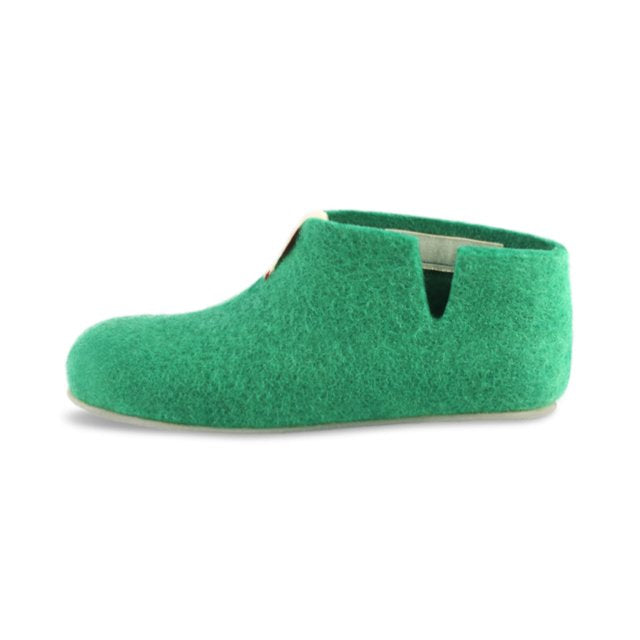
Wool tends to hold its character better, particularly in slippers designed with a denser or felted structure. It can keep its shape, recover well from regular wear, and continue to look considered rather than collapsed. For design-conscious shoppers, that matters just as much as comfort. A slipper should feel good, but it should also keep its form and visual clarity after months of use.
If you value fewer, better things, wool usually aligns more closely with that mindset.
Wool slippers vs cotton slippers in sustainability terms
Material choice is also a lifestyle choice. If you are buying more intentionally, the real question is not only what feels good today, but what makes sense over the full life of the product.
Cotton can be a natural fiber with a familiar, low-key appeal. It works well for lightweight basics and approachable everyday products. But when a slipper loses shape quickly, holds odor, or needs replacing sooner, the overall value can drop.
Wool often supports a longer-wear approach. Because it balances comfort, durability, and freshness so well, it can reduce the cycle of frequent replacement. For brands built around responsible production and circular thinking, that makes wool a strong foundation. It is one reason companies like Baabuk center their collections around it. The material does more, which means the product can work harder for longer.
Sustainability is rarely about one claim. It is usually about a series of better decisions, including choosing materials that people genuinely want to keep wearing.
Style and feel underfoot
Cotton slippers often read as casual and familiar. They suit a relaxed look and can feel approachable in the same way a cotton tee does. If you want something simple for occasional at-home use, that ease can be appealing.
Wool slippers tend to look more refined. The texture has depth, the structure often feels cleaner, and the overall design can land closer to modern lifestyle footwear than traditional house slippers. For people who care about interiors, minimalist wardrobes, and products that look as good as they feel, wool brings a more elevated finish.
Underfoot, the difference is just as noticeable. Cotton often feels softer but less supportive over time. Wool can feel more grounded and substantial without becoming bulky. That balance is part of its appeal.
Which one should you choose?
If you want a lightweight slipper for occasional wear in a warm home, cotton may be enough. It is straightforward, familiar, and easy to like.
If you want a slipper for daily use, long comfort, better temperature control, and a more durable feel, wool is usually the smarter choice. It performs across more conditions, stays fresher longer, and tends to feel more premium in use. That does not mean cotton has no role. It just means wool solves more of the problems people actually have with slippers.
The best pair is the one that fits your routine, not just your first impression. If your ideal slipper is something you reach for every morning without thinking twice, wool often proves its value after the first week, not just the first wear.
A good slipper should make home feel better, quieter, and more comfortable. Choose the material that keeps earning that place day after day.


