


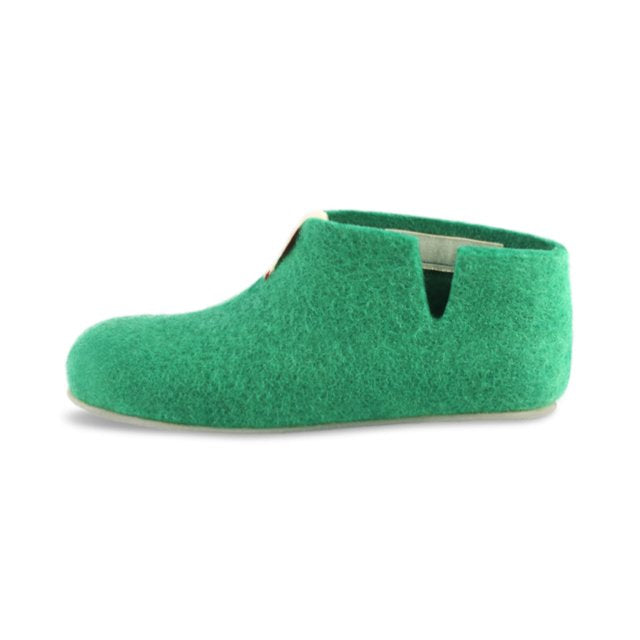














Kids Wool Slippers For Everyday Comfort
A good pair of kids wool slippers usually earns its place fast - by the door, under the kitchen table, and somehow still on their feet during breakfast, coloring, and everything after. For parents, that matters. The best pairs are warm without overheating, soft without feeling flimsy, and easy enough for children to wear without a daily negotiation.
That balance is exactly why wool works so well indoors. It feels cozy right away, but it is also naturally breathable, which makes it more practical than many synthetic house shoes. If your child runs warm, kicks off socks, or moves constantly between chilly floors and heated rooms, wool tends to handle those shifts better than plush materials that trap heat and moisture.
Why kids wool slippers work so well at home
Children rarely sit still long enough for footwear to be a purely decorative choice. Slippers need to stay on, flex easily, and feel comfortable from morning to bedtime. Wool has a natural advantage here because it regulates temperature instead of just adding bulk. Feet stay warm, but they do not feel wrapped in heavy insulation.
That difference becomes obvious in real life. A child might wear slippers after a bath, through a cool morning, and into a warmer afternoon without wanting to take them off. With many synthetic options, comfort drops as soon as the room heats up. Wool is simply better at adapting.
There is also the question of texture. Many parents assume warm slippers need to be thick and padded, but that can make them feel clumsy. Well-made wool slippers are often lighter than expected. They give children enough softness for indoor comfort while still letting them move naturally, climb onto the couch, or build a blanket fort without feeling weighed down.
What to look for in kids wool slippers
Not every slipper made with wool will perform the same way. The material matters, but so does the shape, the sole, and the overall construction. If you are buying for everyday use, it helps to focus on how the slipper will behave after repeated wear, not just how it looks out of the box.
Fit should feel secure, not tight
A slipper that slips off every few steps will not last long in your child’s routine. Kids tend to drag, hop, and pivot, so a secure fit matters more than many parents expect. That does not mean tight. Wool naturally gives a bit over time, so the right fit should feel close and comfortable from the start without squeezing the foot.
A very roomy pair can seem like a smart choice for growing feet, but too much extra space often leads to tripping or constant toe-gripping to keep the slipper on. For younger children especially, a stable fit usually beats the idea of buying far ahead.
Breathability matters as much as warmth
Warmth is the obvious reason people shop for slippers, but breathability is what makes them wearable all day. Children are active indoors. They run from room to room, curl up, then get moving again. If slippers hold too much heat, they come off.
This is where wool earns its reputation. It helps create a comfortable microclimate around the foot rather than sealing it in. That makes a noticeable difference in homes with changing temperatures, especially in cooler seasons when floors stay cold but indoor heating is on.
Soles should match the way your home works
Some children need slippers mainly for softness and warmth. Others need them to handle stairs, hardwood floors, and quick trips to the mailbox with a parent. The sole should reflect that reality.
For fully indoor use, a soft and flexible sole can feel more natural. For homes with slick floors or children who never walk anywhere slowly, extra grip becomes more important. A sturdier sole can also extend the life of the slipper, though it may feel slightly less slipper-like than a very soft bottom. It depends on your space and your child’s habits.
Durability is about structure, not stiffness
Children’s footwear takes a beating. A durable slipper is not necessarily the thickest one. It is the one that keeps its shape, holds together at the seams, and still feels comfortable after weeks of daily wear.
Wool can be remarkably resilient when it is well made. The key is construction. If the upper loses structure immediately or the sole separates easily, the slipper will not keep up. A clean, minimal design often performs better than one overloaded with decorative details that do nothing for comfort or longevity.
Kids wool slippers and everyday routines
The best slippers fit smoothly into the day. That may sound simple, but it is often the difference between footwear that gets worn and footwear that gets ignored. Children do not care whether something sounded smart when it was purchased. They care whether it feels good now.
Morning is usually the first test. Cold floors can make kids reach for whatever is easiest, so slippers should be simple to put on and comfortable with or without socks, depending on the child. If a pair feels scratchy, stiff, or hard to pull on, parents often hear about it immediately.
Then there is the longer stretch of wear. Good indoor footwear needs to hold up through play, snacks, reading time, and the constant stop-start rhythm of family life. Wool works especially well here because it supports comfort without making the foot feel boxed in. That makes slippers more likely to stay on, which is the whole point.
For many families, the line between indoor and quick outdoor use is blurry. A child might step onto the porch, ride along in the car for pickup, or walk down the hallway in an apartment building. Some wool slippers are built for exactly that kind of flexibility, while others are better kept strictly indoors. Being honest about how they will be used helps you choose the right pair the first time.
Style still matters - even for slippers
Parents shop for function, but children respond to how something looks and feels as part of their everyday world. A clean silhouette, soft texture, and simple design can make slippers feel more wearable and less like an afterthought.
That is also where modern wool footwear stands apart from old-fashioned house shoes. The best pairs look considered. They are minimal, easy to pair with loungewear or everyday basics, and designed to feel at home in a well-edited space. For design-conscious families, that matters more than novelty details that children outgrow quickly.
A simple shape tends to age better, too. It feels current without chasing trends, and it is easier to pass along within a family if the slipper remains in good condition. Brands that approach wool as a performance material rather than just a cozy one usually get this balance right.
How to choose the right pair for your child
Start with your home. If your floors run cold and smooth, prioritize warmth and grip. If your child tends to overheat, focus on breathable construction and a lighter feel. If they are constantly in motion, look for a shape that stays secure and a sole that can handle more than quiet lounging.
Age matters, but routine matters more. A toddler may need a very easy on-off design with dependable traction, while an older child might care more about comfort and independence. Some children want a slipper that feels almost like a shoe. Others want the softest possible indoor option. Neither is wrong.
This is also one category where material quality is worth paying attention to. A well-designed wool slipper can do more with less bulk, less synthetic padding, and less visual clutter. That is part of the appeal for families who want products that feel responsible and well considered, not disposable.
At Baabuk, that thinking is central to why wool remains such a strong everyday material. It brings together comfort, breathability, and a more thoughtful approach to design in a way that feels easy to live with.
Caring for kids wool slippers so they last
Children will test any product, so care should be realistic. The good news is that wool does not need the kind of constant washing that many parents expect. In many cases, regular airing out and spot cleaning go a long way.
What matters most is not letting moisture or dirt build up unnecessarily. If slippers get damp, let them dry fully before the next wear. If they pick up everyday mess, gentle cleaning is usually better than aggressive treatment. A little maintenance helps preserve the shape and feel of the wool over time.
It is also worth rotating when possible. If your child has one dedicated indoor pair and uses it every single day, visible wear will come faster. That does not mean the slippers were poorly made. It just means they were loved and used exactly as intended.
Choosing kids wool slippers is really about choosing fewer compromises. When the material is breathable, the fit is secure, and the design is built for real family life, slippers stop being a seasonal extra and become part of the daily rhythm. That is when they start to make sense - not just as something cozy, but as something genuinely useful.


