

















Comfortable Shoes for Long Flights
Some shoes feel fine at the gate and miserable somewhere over the Atlantic. That is usually the moment people realize that comfortable shoes for long flights are not just about cushioning. They need to handle swelling, hours of sitting, quick walks through terminals, security lines, and the awkward transition from cabin to city street without becoming one more travel problem.
The best pair for flying is rarely the stiffest, the most structured, or the most athletic-looking. It is the pair you forget about once you put it on. For most travelers, that means lightweight shoes with enough support for walking, enough flexibility for long stretches of sitting, and enough breathability to keep your feet from overheating in a dry cabin.
What makes comfortable shoes for long flights?
Long-haul travel creates a very specific set of conditions. Your feet may swell after hours in the same position. Cabin air can make warm shoes feel stuffy. Hard airport floors reward cushioning, but bulky soles can feel clumsy when you are squeezing into a seat or slipping shoes on and off at security.
That is why comfortable flight shoes tend to share a few traits. They are easy to remove, but they do not flop around. They feel soft against the foot, but they still offer shape and support. They regulate temperature well, especially if you are moving between climates. Natural materials can be especially useful here because they breathe well and feel less synthetic over long wear.
A good in-flight shoe should also work before and after takeoff. If your pair only feels good while seated, it is not doing enough. Airport travel includes standing in lines, covering long terminal distances, and sometimes rushing for a connection with a carry-on in one hand and coffee in the other.
The biggest mistake travelers make
Many people choose shoes for the destination and forget the flight itself. That is how they end up boarding in heavy boots, rigid loafers, or brand-new sneakers that still need breaking in.
The other common mistake is going too minimal in the wrong way. Flat sandals, unsupportive slip-ons, and worn-out sneakers might seem easy, but they often leave your feet tired before the plane even pushes back. Long flights ask for a middle ground - soft but stable, easy but secure.
If you are shopping specifically for travel, look for a pair that already fits into your daily life. The best travel shoes do not feel like special-purpose gear. They feel like your favorite everyday shoes, only better suited to hours of wear.
Materials matter more than most people think
When people talk about comfort, they often focus on insoles and outsole foam. Those matter, but the upper material plays a major role on long flights. If the upper traps heat or feels plasticky against the skin, comfort drops quickly.
This is where wool stands out. It is naturally breathable, soft, and temperature-regulating, which makes it especially appealing for travel. On a cold overnight flight, it helps your feet feel warm without feeling heavy. In a warmer cabin or crowded terminal, it remains breathable enough to avoid that damp, overheated feeling common with many synthetic shoes.
Wool also has an understated visual advantage. It feels refined without trying too hard. For travelers who want one pair that can move from airport to hotel to casual dinner, that balance matters. Design should not be ignored just because comfort is the priority.
Fit is non-negotiable on a long flight
Even the best-designed shoe fails if the fit is too exact. Feet often expand during travel, so a pair that already feels snug on the ground can become uncomfortable fast at cruising altitude. This is where natural fiber shoes shine.
You do not want a full size up, but you do want breathing room in the toe box. A flexible upper helps, and so does a shape that allows natural movement. This is one reason many frequent travelers avoid narrow silhouettes for long routes, even if they look sharp. Clean design is welcome. Compression at the forefoot is not.
Socks also change the equation. If you usually fly in slightly thicker socks, fit-test your shoes that way before the trip. A shoe that works barefoot at home can feel very different on a ten-hour flight with socks on and feet slightly swollen.
Slip-on ease versus lace-up support
This is where it depends on your travel habits.
If you want the fastest airport experience, slip-on shoes are hard to beat. They are practical at security, easy to loosen mid-flight, and generally more relaxed for long periods of sitting. The trade-off is that some slip-ons lack structure, which can leave your feet tired during long terminal walks.
Lace-up sneakers usually offer a more secure fit and better support. They are often the better choice if your itinerary includes a lot of walking before or after the flight. The downside is obvious - they take longer at security and can feel more restrictive if tightly laced for hours.
For many travelers, the sweet spot is a soft, lightweight shoe with an easy entry and enough hold to stay stable while walking. That balance matters more than the category label.
What to avoid when choosing flight shoes
A few features sound appealing in theory but often disappoint in practice.
Heavy soles can make a shoe feel supportive in a store, yet tiring in real travel. Stiff leather can look polished but may rub once your feet warm up. Highly cushioned athletic shoes are comfortable for some people, but others find them bulky in small spaces and too warm for long wear.
Shoes with complicated closures are another miss. If you need both hands and a minute of concentration to get them on and off, they are not ideal for travel. The same goes for shoes that only work with one exact sock thickness or require a break-in period. Airport days are not the time to test your tolerance.
How to choose comfortable shoes for long flights by trip type
A red-eye to a city break calls for something different than a winter route with multiple connections.
For short business trips, choose a shoe that can pass in more than one setting. A clean silhouette in a versatile color earns its place fast. It should be soft enough for the flight and polished enough for arrival.
For long international travel, prioritize breathability and room through the forefoot. You will notice these features more than you notice fashion details eight hours in.
For family travel, ease matters. If you are juggling bags, boarding passes, and children, the shoe needs to be intuitive. No fuss, no hard edges, no slipping at the heel.
For colder routes, look for warmth without weight. Thick, heavy shoes can become uncomfortable once you are indoors for extended periods. Materials that naturally regulate temperature are often a better match than simply adding bulk.
One pair is often enough if it is designed well
Frequent travelers often overpack footwear because they assume one pair cannot do everything. Sometimes that is true. But often the real issue is that the first pair was too specialized.
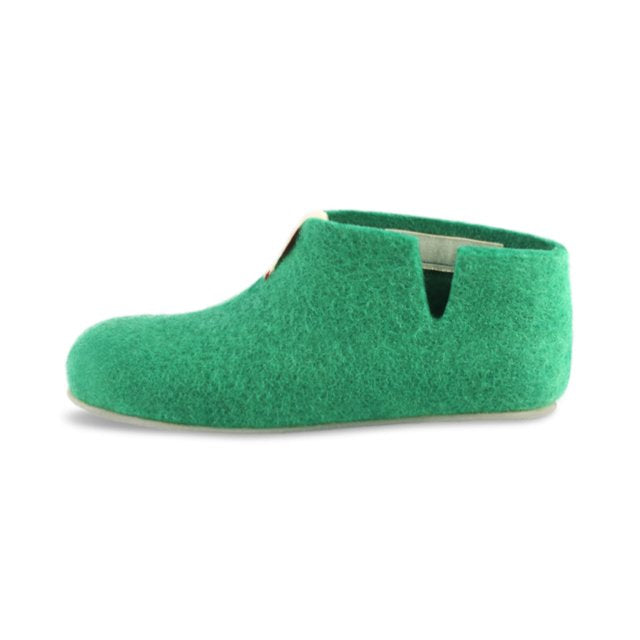
A thoughtfully designed shoe can cover airport wear, in-flight comfort, and everyday use at your destination. That is especially true when the material feels good over long hours and the design stays minimal enough to work across outfits. This is where a brand like Baabuk fits naturally into the travel conversation. Wool-based footwear offers a rare combination of softness, breathability, lightness, and clean design that makes sense beyond the airport.
The sustainability piece matters too, but it should never come at the expense of performance. The most responsible shoe is one you will actually keep wearing - on flights, at home, on weekends, and through regular daily life. Longevity is part of comfort.
A simple test before you travel
Before committing to a pair for a long flight, wear it for a full day that includes sitting, walking, and indoor temperature changes. If it feels great only in one of those settings, keep looking.
Pay attention to pressure points, heel slip, and heat buildup. Notice whether you instinctively want to take them off after a few hours. On a plane, small discomforts get amplified. The right pair should feel calm, not demanding.
The best comfortable shoes for long flights do not need to look technical or oversized to perform well. They just need to respect how people actually travel - moving, waiting, sitting, and starting over again in a new place. Choose a pair that keeps up quietly, and the whole trip feels lighter.


