
















Best Shoes for Remote Work
Your office might be ten steps from the kitchen, but your feet still know when something is off. Cold floors, hard surfaces, quick errands between calls, and long hours at a standing desk all change what the best shoes for remote work should look and feel like.
The old split between office shoes and home shoes does not hold up anymore. Remote work asks more from one pair. You want comfort that lasts all day, enough support for real movement, and a look that feels pulled together when the workday blends into everything else.
What makes the best shoes for remote work?
A good remote work shoe solves a different problem than a commuter shoe. You are not optimizing for a rush-hour walk or formal office dress codes. You are optimizing for long wear, varied surfaces, and the small transitions that define working from home - desk time, laundry, coffee runs, dog walks, school pickup, and one more meeting.
That shifts the priorities.
First, comfort needs to be quiet rather than exaggerated. Overly cushioned shoes can feel impressive for an hour and tiring by mid-afternoon. For remote work, a better choice often has balanced support, a stable base, and enough softness to keep pressure off hard floors without making your stride feel heavy.
Breathability matters just as much. Homes tend to run warm, and many people wear the same pair for far longer indoors than they would outside. Natural materials have a clear advantage here because they help regulate temperature and feel more comfortable over extended wear.
Then there is flexibility. The best remote work shoes are often the ones you forget to take off when you step outside. If a shoe can move easily from living room to mailbox to neighborhood errand, it earns its place fast.
The three remote work situations that change your choice
Not every work-from-home setup is the same, and footwear should follow the rhythm of your day.
For mostly seated days
If you spend most of the day at a desk, your priority is not maximum structure. It is lightweight comfort, temperature control, and an easy fit. In this case, soft house shoes or refined slippers with enough sole underfoot often make more sense than a full sneaker.
This is especially true if your floors are wood or tile. Bare feet can feel fine for a while, then leave you noticing cold toes, heel pressure, or general fatigue by evening. A supportive indoor shoe adds comfort without overbuilding the experience.
For standing desk routines
If you rotate between sitting and standing, support climbs higher on the list. You need something with a more grounded sole, gentle arch support, and enough structure to reduce fatigue during long periods upright.
This is where many ultra-soft slippers fall short. They feel great for lounging, but they may not give enough stability for three hours of back-to-back calls at a standing desk. A lightweight indoor-outdoor shoe usually performs better.
For hybrid home-and-out days
Some remote workers are not really home all day. They step out for errands, coworking sessions, school runs, or lunch meetings. In that case, a true crossover shoe is the smartest option.
Look for a style that feels clean enough to wear beyond the house but comfortable enough to keep on all day. Minimalist sneakers, structured slippers with outdoor-ready soles, and low-profile slip-ons tend to fit this use case best.
Why material matters more than you think
When people shop for work-from-home footwear, they often focus on shape first and material second. That order should probably be reversed.
Material changes how a shoe feels at 9 a.m. and again at 5 p.m. It affects breathability, warmth, softness, odor resistance, and how easily the shoe adapts to indoor life. Synthetic-heavy shoes can trap heat and feel clammy after long wear, especially in warmer homes or during busy days. Traditional office footwear may look polished, but it often feels too stiff and unnecessary for remote routines.
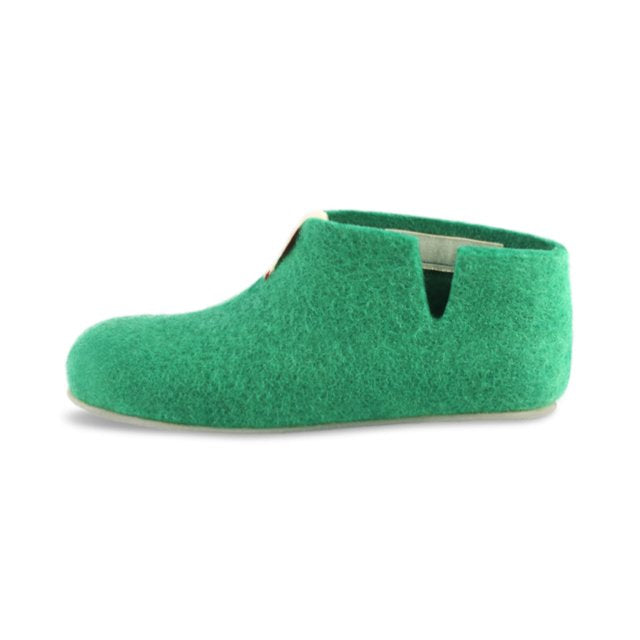
Natural fibers stand out because they do several jobs at once. Wool, in particular, has become a strong fit for modern remote work because it helps regulate temperature, feels soft against the foot, and offers comfort without the bulk of heavily padded footwear. It also suits the way people live now - less formal, more flexible, and more interested in pieces that work across multiple settings.
That balance is why wool footwear has moved well beyond classic house slippers. The best versions now come in silhouettes that feel clean, modern, and wearable indoors or out.
The best shoes for remote work are usually one of these
The right category depends on how you work, but most strong options fall into a few clear groups.
Refined slippers
These are ideal for home-first workdays when comfort is non-negotiable and outdoor use is minimal. The best ones have a substantial sole, hold their shape well, and look intentional rather than oversized or fuzzy. They should feel like footwear, not bedroom gear.
If your day stays mostly indoors, this category is hard to beat. Just be honest about whether you need real support or simply softness.
Indoor-outdoor wool shoes
This is the sweet spot for many remote workers. You get the comfort of a home shoe with enough structure and durability for stepping outside. Breathability, easy wear, and a clean silhouette matter most here.
For people who want one pair to carry the whole day, this is often the best answer. It is practical, comfortable, and aligned with a more streamlined wardrobe.
Minimal sneakers
If your remote work includes regular outings or you prefer more underfoot support, a minimalist sneaker can make sense. Look for flexible construction, a lighter feel, and understated design. You do not need a technical running shoe for email and espresso.
The trade-off is that some sneakers can feel too warm indoors or too rigid for relaxed home wear. If you choose this route, keep materials and weight in mind.
Sandals with support
In hot climates or warmer months, supportive sandals can work surprisingly well for remote setups. They keep feet cool and can be comfortable for quick movement around the house.
Still, this category depends heavily on your floors, your tolerance for open styles, and how polished you want to feel during the day. For year-round use, most people will get more mileage from a closed shoe.
How to choose without overthinking it
Start with your floor. Hardwood, tile, and concrete-inspired interiors create more foot fatigue than carpet. If your home has harder surfaces, a thin slipper may not be enough.
Then think about temperature. If your feet run warm, prioritize breathable materials and avoid bulky foam. If they run cold, insulation matters, but not at the expense of overheating by midday.
Next, consider how often you step outside. If the answer is more than once or twice a day, choose something with a real outsole and a shape you are happy to be seen in. Convenience matters. The easier a pair is to keep on, the more useful it becomes.
Finally, be realistic about style. Remote work changed dress codes, not personal standards. A well-designed shoe can make you feel more put together, even at home. That is not superficial. It is part of building a routine that supports focus.
A note on durability and responsible buying
The best remote work shoe is not the one that wins on first try-on. It is the one you still want to wear after months of daily use. That means looking beyond trend cycles and choosing a pair made from materials that age well and constructions that can handle repetition.
For sustainability-minded shoppers, this matters twice. A shoe that covers indoor comfort, light outdoor wear, and everyday style reduces the need for multiple overlapping pairs. It simplifies the closet and makes each purchase work harder.
That is one reason brands like Baabuk have built such a clear point of view around wool footwear. When the material is doing real functional work - comfort, breathability, versatility, and everyday wearability - design and responsibility stop feeling like separate decisions.
What most people get wrong
The biggest mistake is treating remote work footwear like an afterthought. People either wear no shoes at all and deal with tired feet later, or they default to old sneakers that are too stiff, too warm, or simply wrong for indoor life.
The better approach is to choose for the actual shape of your day. Not your fantasy routine. Not a formal office standard. Just the surfaces, temperatures, movement, and level of polish that define how you really work.
Once you get that right, the difference is immediate. Your feet feel better, your day flows more easily, and one small daily decision becomes a lot more satisfying.
If your home is where you do your best work, your shoes should be designed for that reality too.


