

















Best Natural Fiber Footwear for Daily Wear
A shoe can look clean on the shelf and still feel wrong by 3 p.m. Too stiff, too sweaty, too synthetic, too much effort for something you wear every day. That is usually where the search for the best natural fiber footwear begins - not as a trend, but as a correction.
Natural fibers change the wearing experience in ways people notice fast. The shoe feels less plastic, the temperature feels more balanced, and the design often looks quieter and more refined. But not all natural fiber footwear performs the same way, and not every material works for every routine. If you want a pair that earns its place in daily life, it helps to know what each fiber actually does.
What makes the best natural fiber footwear stand out
The best natural fiber footwear does more than check a sustainability box. It has to be comfortable enough for repeat wear, durable enough to justify the purchase, and versatile enough to work across home, city, travel, and everyday movement.
That usually comes down to four things: breathability, temperature regulation, softness against the skin, and how well the upper holds its shape over time. Design matters too. A natural material can feel elevated and modern, or it can look overly rustic. For most people, the right choice sits in the middle - clean lines, easy styling, and material character you can actually see.
There is also a practical trade-off. Natural fibers often feel better than fully synthetic alternatives, but they may need more thoughtful care. Some handle moisture better than others. Some are ideal for indoor-outdoor wear, while others are better kept to lighter use. The best pair is not the one with the longest material list. It is the one that fits your habits.
Wool is the benchmark for everyday comfort
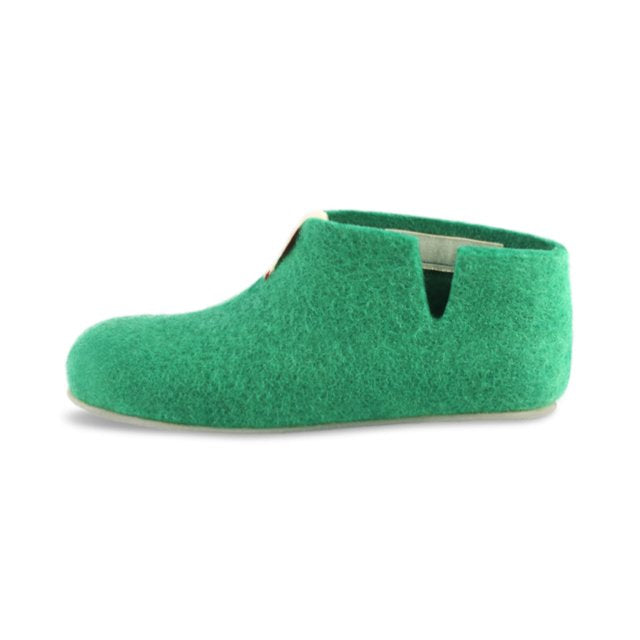
If one material consistently leads the conversation around best natural fiber footwear, it is wool. That is because wool solves several problems at once. It helps regulate temperature, feels soft without being limp, and manages day-to-day wear with more range than many people expect.
For cool mornings, warm interiors, quick errands, and travel days, wool is unusually adaptable. It can feel cozy without overheating, which makes it especially strong for slippers, sneakers, soft boots, and hybrid indoor-outdoor pairs. It also has a naturally refined texture that works well in minimalist silhouettes.
Not every wool shoe is built the same, though. Construction matters. A dense wool upper will feel more structured and durable, while softer builds lean more lounge-focused. Sole choice changes the use case too. A lightweight outsole can turn a home shoe into an everyday essential, while a slimmer sole keeps the feel closer to a slipper.
For shoppers who want one pair that covers the most ground, wool is often the most complete answer.
Why wool works so well in modern footwear
Wool is not just about softness. It is about balance. It has enough body to create shape, enough comfort for long wear, and enough visual simplicity to suit a modern wardrobe. That mix is hard to get right with cotton or jute alone.
It also supports a cleaner kind of design language. Instead of relying on heavy overlays or technical styling, wool footwear can stay pared back and still feel premium. That matters if you want shoes that work with relaxed tailoring, denim, knitwear, and everyday basics without pulling too much attention.
Cotton, hemp, and jute each have a place
Wool may be the strongest all-around option, but it is not the only one worth considering.
Cotton footwear tends to feel familiar right away. It is lightweight, soft, and easy for warm-weather casual wear. Canvas-style shoes often use cotton because it keeps the look simple and approachable. The trade-off is performance. Cotton can absorb moisture and may not hold up as well as wool in changing temperatures or repeated heavy use.
Hemp has a drier, more textured hand feel. It is often chosen for its strength and low-key visual character. In footwear, hemp can work well in relaxed sneakers, sandals, and summer styles where structure matters more than plushness. It usually feels more rugged than cotton, though sometimes less soft right out of the box.
Jute is most common in warm-weather shoes, especially styles with woven details or espadrille-inspired construction. It delivers a distinct natural look and a lightweight seasonal feel. But it is usually the most limited in range. Jute is best for dry conditions and shorter wear windows, not year-round daily rotation.
So if your priority is summer ease, cotton, hemp, or jute might suit you. If your priority is daily versatility, wool still has the edge.
How to choose the best natural fiber footwear for your routine
The best shopping decision starts with where the shoe will live.
If you work from home, a wool slipper or soft structured house shoe may give you the biggest quality-of-life upgrade. You get comfort underfoot, breathability through long indoor wear, and a more polished feel than synthetic lounge footwear.
If you need one pair for commuting, errands, and casual office days, look for a wool sneaker or everyday slip-on with a supportive sole. That combination gives you the comfort benefits of natural fiber with the durability needed for pavement, transit, and repeat wear.
If you travel often, focus on packability, odor control, and versatility. This is another place wool performs well. A good wool shoe can move from airport to city walk to hotel without feeling out of place. You carry less and wear one pair more.
If you are shopping for warm-weather use, lighter cotton, hemp, or open wool sandals can make more sense. Climate matters. So does your tolerance for care. A beach-town summer shoe and a daily city shoe are not the same product, even if both use natural fibers.
Fit and construction matter as much as material
Material gets attention first, but poor construction cancels out good fiber fast. Look for a shape that supports your foot naturally, with enough room in the toe box and enough stability in the heel. A natural upper that collapses too much will wear less cleanly over time.
Pay attention to sole thickness, flexibility, and intended use. A home slipper with a minimal sole can feel perfect indoors and underbuilt outdoors. A sturdier sneaker sole adds range, but it also changes the weight and feel. There is no universal best option here. It depends on how many hours you plan to wear the shoe and where.
Design should feel easy, not worthy
One reason natural fiber footwear has moved beyond niche appeal is design. People want responsible materials, but they also want shoes they will actually reach for. That means the best pairs do not look overly earnest. They look clean, modern, and easy to style.
Neutral tones, minimal branding, and clear silhouettes tend to age better than trend-driven details. This is especially true in wool footwear, where the texture already adds visual interest. When the design stays disciplined, the material can do the work.
That is part of the appeal behind brands like Baabuk. The focus is not just on natural material story, but on making wool footwear feel credible in everyday wardrobes - polished enough to wear out, comfortable enough to keep on.
Responsibility is part of the value, but not the whole value
People shopping natural fiber footwear usually care about better materials and more responsible production. That matters. But the purchase only makes sense if the shoe also performs.
A pair that sits in the closet is not a responsible choice, no matter how good the material story sounds. Real value comes from repeat wear, long-term comfort, and product life that extends beyond a single season. Repairability, replace programs, and resale options can strengthen that value, especially for customers trying to buy fewer, better things.
This is where a disciplined product approach matters. A well-made wool shoe that works across multiple settings often delivers more use than a rotation of cheaper, synthetic pairs built for narrow occasions.
So which natural fiber is best?
If you want the best natural fiber footwear for year-round daily wear, wool is the strongest overall choice. It offers the broadest balance of comfort, temperature regulation, softness, and modern design potential. For many people, it is the material that feels most noticeably better in real life, not just on paper.
Cotton works well for casual warm-weather simplicity. Hemp adds durability and texture for laid-back seasonal styles. Jute brings a distinctly summer look, but with a narrower use case. None of these are wrong choices. They are just more specific choices.
The right pair should make your routine easier the minute you put it on. Less heat, less stiffness, less compromise, more wear. If that is the goal, start with the material that gives you comfort and range, then choose the design you will keep by the door.


