
















Best Comfortable Travel Slippers for Every Trip
A red-eye flight, a cold hotel floor, an early coffee run to the lobby: travel has a way of making ordinary footwear feel suddenly inadequate. The best comfortable travel slippers give your feet a genuine reset without claiming precious space in your carry-on. They should feel good the moment you slip them on, look considered beyond the hotel room, and earn their place on every trip.
For frequent travelers, the right pair is not simply a softer alternative to shoes. It is part of a smarter packing system. A well-designed slipper can make a long-haul flight more comfortable, create a sense of home in unfamiliar places, and reduce the need to pack a separate indoor shoe that only serves one purpose.
What Makes Travel Slippers Worth Packing?
The strongest travel slippers balance four things: comfort, packability, temperature regulation, and enough structure to stay useful. A plush pair may feel wonderful beside the bed, but it can be bulky, overly warm, and impractical for the rest of the journey. On the other hand, thin disposable-style slippers save room but often offer little cushioning, support, or durability.
Look for a pair that holds its shape while remaining easy to tuck into a weekender or carry-on. A flexible sole helps, especially if you plan to use them on planes, in hotel corridors, vacation rentals, or around a cabin. The goal is not to replace your walking shoes. It is to give your feet a lighter, more relaxed option when the day is done.
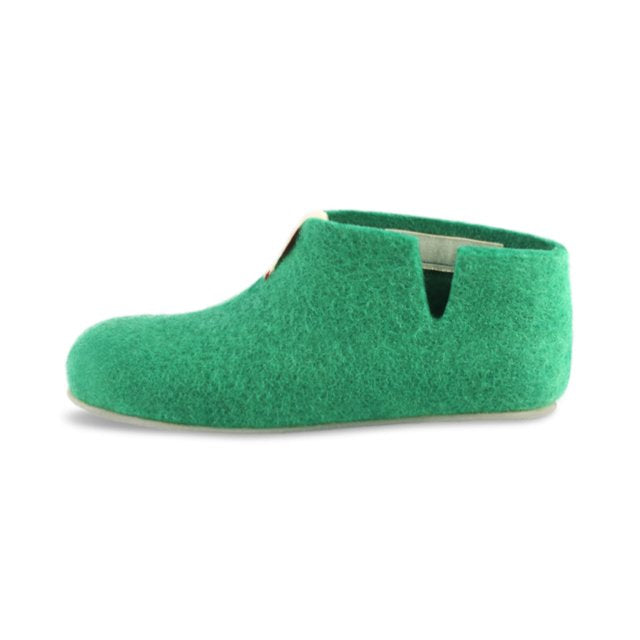
Material matters more than most travelers expect. Synthetic fleece can trap warmth and odor after hours of wear. Natural wool has a different feel: soft, breathable, and naturally insulating. It helps feet stay comfortable through changing temperatures, whether the air conditioning is too high or a mountain morning starts cool.
Best Comfortable Travel Slippers Start With Wool
Wool is especially suited to the rhythm of travel because it responds well to changing conditions. Its fibers help manage moisture rather than leaving feet feeling clammy. That is valuable after a flight, during a train journey, or when you have been walking all day and want to change into something lighter.
It also brings a level of visual ease that many conventional slippers miss. A clean wool upper can look refined without looking formal, pairing naturally with relaxed travel clothing, from linen pants to joggers. For design-conscious travelers, that matters. You should not have to choose between a shoe that feels comfortable and one you are happy to wear when answering the hotel-room door or stepping onto a terrace.
Wool is not automatically the best answer for every itinerary. If your trip centers on wet pool decks, sandy beaches, or constant rain, a water-friendly sandal may be the more sensible secondary shoe. But for flights, city stays, mountain lodges, work trips, and vacation rentals, wool slippers offer a practical mix of warmth, breathability, and everyday polish.
Choose a sole for how you actually travel
A soft-soled slipper is ideal when its job is limited to a plane seat, a bedroom, or a quiet morning indoors. It tends to pack down easily and gives a close-to-the-ground feel. This is a good choice for travelers who prioritize minimal luggage and know they will not need to go outside.
A slipper with a durable rubber outsole is more versatile. It adds a little weight, but that trade-off often pays off. You can walk to a shared kitchen, collect coffee downstairs, take the dog out at a rental house, or move around a chilly terrace without changing shoes. For most people, this is the more useful travel format.
The sole should still flex naturally. Stiff, heavy soles make a slipper feel like an extra pair of sneakers, while a well-balanced outsole protects the foot without turning comfort footwear into a bulky compromise.
Prioritize a secure fit, not a tight fit
Travel days can make feet swell, particularly on long flights. Slippers that feel overly snug at home may become uncomfortable several hours into a journey. Leave enough room for your toes to relax, but avoid a fit so loose that your heel slides around with every step.
Closed-back styles usually feel more stable and warm. They are a strong choice for cooler destinations and travelers who like a secure, shoe-like feel. Open-back slip-ons are faster to put on and take off, which can be useful at airport security, during overnight flights, or in shared accommodations. Neither is universally better. Think about the moments when you will reach for them most.
If you wear thicker socks while traveling, factor that into your size choice. A slipper should accommodate your real travel routine, not just the few minutes you spend trying it on at home.
How to Pack Slippers Without Wasting Space
Travel slippers should work around your packing, not require their own strategy. Place them sole-to-sole in a lightweight shoe bag or wrap them in a clean packing cube. This keeps the soles away from clothing and makes them easy to find after arrival.
For a short trip, wear your bulkiest footwear in transit and pack the slippers flat near the top of your bag. On longer trips, use the space inside each slipper for socks, a charging cable, or soft accessories. It is a small habit that keeps a pair of slippers from becoming dead space.
Avoid compressing structured slippers too aggressively. Wool can recover well, but consistently folding or crushing a pair with a shaped heel can affect its fit over time. A little care helps the slipper remain the easy, reliable layer you packed it for.
Comfort Is Also About What Happens After the Trip
The most responsible purchase is usually the one you keep wearing. That is why durability and care deserve a place in the decision. Travel slippers encounter airport floors, unfamiliar entryways, spills, and frequent on-and-off use. Choose materials and construction that can handle real life rather than a single season.
Wool footwear typically benefits from simple care. Airing it out between wears can refresh it, and spot-cleaning small marks promptly helps preserve its appearance. Check the specific care guidance for your pair before washing. The right method will depend on the sole, lining, and construction.
A brand that supports repair, replacement, recycling, or resale also makes more sense for a product designed to be worn often. Baabuk approaches wool footwear with this longer view, pairing Swiss-inspired design with options that help extend a product's life beyond its first chapter.
When slippers can replace a second casual shoe
For minimalist packers, a structured slipper with an outdoor-ready sole can reduce the number of shoes needed for a trip. It will not replace supportive walking sneakers for a full day of sightseeing, and it should not be expected to. But it can cover the quieter gaps: breakfast nearby, working from a hotel room, lounging after a hike, or running a quick errand at a vacation rental.
That versatility is where a good pair earns its value. Instead of packing slippers as an afterthought, choose a pair with enough design and construction to participate in your day without demanding attention.
A Better Test Before You Leave
Do not wait until departure day to decide whether a new pair works. Wear your slippers for a few evenings at home, including on hard flooring. Notice whether your toes feel crowded, whether the heel stays in place, and whether the sole feels steady when you walk naturally.
Then imagine your actual itinerary. A business traveler may value a low-profile pair that looks neat in a hotel lounge. A family headed to a lake house may need grippier soles and quick on-off convenience. Someone traveling through cooler cities may prefer the enclosing comfort of a closed-back wool style. The best choice is always connected to the trip ahead.
A thoughtfully made slipper brings a quiet kind of comfort to travel. It is the pair waiting after the flight, the layer between your feet and a cold floor, and the small reminder that practical design can still feel personal.


