

















B-Corp Shoe Brands: What To Know
Shopping for shoes gets complicated fast when you care about more than looks. If you’re searching for B-Corp shoe brands, you’re usually trying to solve a bigger question: which brands actually back up their values with business-wide accountability, not just a greener material or a seasonal capsule.
That distinction matters. Shoes are a daily-use product. They need to feel good, wear well, and fit naturally into real life - commuting, travel, working from home, city walks, school runs, weekends away. A B Corp certification does not guarantee that every shoe is perfect, but it does signal that a company has chosen to be measured on how it operates across workers, customers, community, and environmental impact.
What B Corp shoe brands actually signal
There is a reason this certification stands out in footwear. Shoes sit at the intersection of materials, manufacturing, packaging, shipping, and product longevity. Most brands can make one sustainability claim. Fewer are willing to be assessed as a whole business.
That is the practical appeal of b corp shoe brands. The label is not just about one fabric, one factory, or one campaign. It reflects a broader standard for how a company is run. For shoppers, that can make comparison easier. Instead of sorting through dozens of disconnected claims, you have a clearer sign that the brand has committed to external accountability.
Still, it helps to keep expectations realistic. B Corp certification is not a shortcut around product research. A well-certified company can still make a shoe that is wrong for your climate, your foot shape, or your everyday routine. The smartest way to shop is to treat the certification as a strong starting point, then look at comfort, materials, care, and durability.
Why shoppers are paying closer attention to b corp shoe brands
The shift is not just about ethics. It is also about quality of life. Many people are trying to move away from shoes that feel overly synthetic, trap heat, or wear out too quickly. They want fewer pairs that do more - indoor to outdoor flexibility, breathable comfort, clean design, and materials that feel better over long days.
That is where B Corp brands often stand apart. Because they are thinking about impact at the company level, they are often more intentional about product design too. You’ll see stronger attention to material choices, repairability, responsible packaging, and long-term wear. Not every brand approaches those priorities the same way, but the pattern is there.
For design-conscious shoppers, there is another benefit. The best brands in this space no longer ask you to choose between aesthetics and responsibility. The strongest collections feel modern, understated, and easy to wear. They are built for real wardrobes, not just good intentions.
How to evaluate a B Corp shoe brand beyond the badge
A certification can help narrow the field, but a good purchase still comes down to product truth. Start with materials. Natural fibers, recycled inputs, and lower-impact components can all matter, but they perform differently. A lightweight travel sneaker has different demands than a house shoe, a winter boot, or a minimalist everyday style.
Next, look at how the brand talks about comfort. Strong footwear brands are specific. They explain what the shoe is for, how it should fit, and where it performs best. That clarity usually signals product confidence. Vague promises tend to do the opposite.
Longevity is another useful filter. Does the company support repair, replacement parts, resale, or recycling? Those services are easy to overlook, but they say a lot about whether a brand expects its products to stay in use. Circular programs do not make a shoe immortal, yet they can extend value and reduce waste in a way that matters over time.
Finally, pay attention to design restraint. A well-made shoe you can wear across settings is often the better buy than a trend-led pair that feels dated in six months. Many B Corp brands do this well because they focus on timeless function rather than fast turnover.
The different types of b corp shoe brands
This category is broader than it first appears. Some brands focus on performance footwear. Others are stronger in casual everyday shoes, slippers, sandals, or boots. Some lead with recycled materials, while others build around natural fibers or circular care.
That variety is useful, because the right brand depends on how you live. If you spend most of your week indoors or moving between home, office, and neighborhood errands, comfort and breathability may matter more than technical sport features. If you travel often, weight, packability, and easy styling may carry more value. Families may prioritize versatility and durability, while minimalist dressers may care most about clean lines and all-day wear.
In other words, the best B Corp shoe brand is not universally the one with the loudest mission statement. It is the one that fits your daily life with the least friction.
What makes one brand stand out from another
The strongest footwear brands usually have a clear point of view. You can feel it in the materials, silhouette, and use case. That focus matters because shoes are tactile. People notice when a product feels consistent from first wear to long-term care.
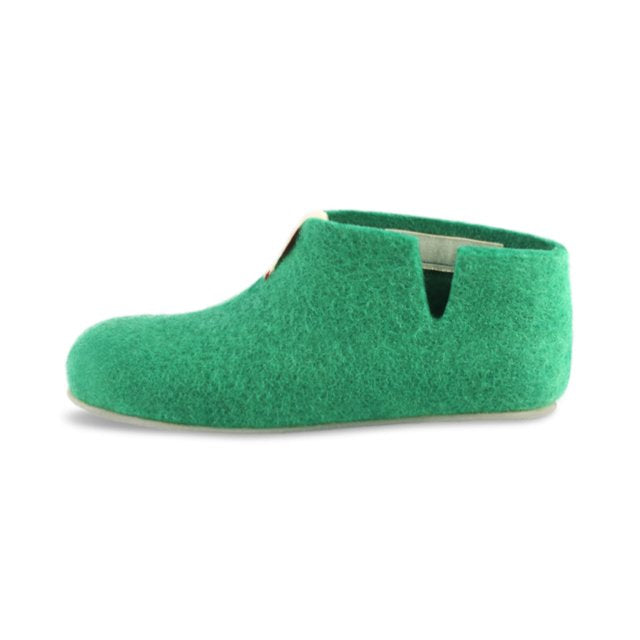
For some brands, that point of view is technical performance. For others, it is minimalist leather alternatives, city-ready sneakers, or recovery-focused comfort. For a wool-first brand, the distinction is different: breathability, temperature regulation, softness, and a natural feel that works across seasons and routines.
That kind of material focus often creates a more coherent product experience. Instead of chasing every trend, the brand builds depth around what it knows best. It can refine fit, improve wear patterns, and develop circular services that match the product rather than sit beside it as marketing.
Baabuk is a good example of this approach. Its perspective is clear: wool is not a niche detail but the foundation of comfort, everyday function, and modern design. That clarity gives shoppers something useful when comparing brands. You are not just choosing a label with B Corp certification. You are choosing a material philosophy and a way of wearing shoes day to day.
Where b corp shoe brands still involve trade-offs
No responsible purchase is completely friction-free. Some B Corp brands come at a higher price point, especially when they use better materials, smaller-batch production, or circular support services. That can be worth it if the shoes last longer and feel better over time, but the upfront cost is still real.
There is also the question of specialization. A brand that excels in slippers and casual sneakers may not be your first choice for trail running or formal office wear. Likewise, a technical outdoor brand may not deliver the soft indoor-outdoor versatility that many urban shoppers want.
Material preferences also depend on your environment. Breathable natural fibers can feel ideal for many climates and routines, but weather, use frequency, and personal fit preferences still shape the decision. It depends on where you live, how you move, and whether you want one versatile pair or a more specific rotation.
The useful mindset is not perfection. It is alignment. The best shoe is the one that fits your needs well enough to be worn often, cared for properly, and kept longer.
How to shop smarter in this category
If you are comparing b corp shoe brands, start with use case before aesthetics. Ask where the pair will live in your week. At home, on flights, in the office, on city walks, or across all of the above? Once that is clear, the rest gets easier.
Then narrow by material and feel. Do you want structure or softness, barefoot flexibility or more support, lightweight packability or weather-ready coverage? A clean design is valuable, but only if the experience on foot matches the look.
From there, look at the brand ecosystem. Size guidance, repair and replace options, resale pathways, and transparent production details all help reduce purchase risk. They also suggest that the company has thought beyond the checkout moment.
That is often the difference between a brand that sells shoes and one that builds trust. For shoppers who want comfort, design quality, and responsibility in the same purchase, those details matter.
B Corp certification will not choose your next pair for you. What it can do is make the field more credible. And once you find a brand whose materials, design language, and long-term care model fit your life, getting dressed gets simpler - which is exactly how good shoes should feel.


