













How Wool Slippers Regulate Temperature
Cold floors in the morning and overheated feet by evening usually point to the same problem - the wrong material. If you have ever wondered how wool slippers regulate temperature so well across changing conditions, the answer starts inside the fiber itself. Wool does not behave like most common slipper materials. It insulates when you need warmth, releases heat when your feet run hot, and helps keep the microclimate around your feet more balanced.
That balance is what makes wool feel different from synthetic fleece, foam-heavy house shoes, or lined slippers that trap heat until your feet feel stuffy. Good temperature regulation is not about making feet constantly warm. It is about helping them stay comfortable.
How wool slippers regulate temperature in real life
Wool works because it manages three things at once: air, moisture, and heat. The fiber structure creates tiny pockets that hold warm air when the surrounding environment is cool. At the same time, wool remains breathable, which helps excess heat move away instead of building up inside the slipper.
This is why wool slippers can feel warm without feeling sweaty. The material acts as insulation, but not in a sealed-off way. It creates a buffered environment around your feet rather than forcing them into one temperature range.
That matters indoors, where temperatures are rarely as stable as they seem. A home office in winter, heated floors, sunlit rooms, tile kitchens, and drafty hallways all create shifts throughout the day. Wool adapts better to those changes than materials that only insulate or only ventilate.
The fiber is doing the work
The performance of wool starts at a microscopic level. Wool fibers have a natural crimp, which helps them trap air. That trapped air forms insulation. But wool is also hygroscopic, meaning it can absorb and release moisture vapor from the air around your feet.
When your feet produce heat and moisture, wool helps move that moisture away from the skin before it turns into that damp, sticky feeling. Dry feet generally feel warmer when it is cold and cooler when it is warm. That is one of the less obvious reasons wool slippers stay comfortable for longer stretches of wear.
Warm when it is cold, breathable when it is not
People often assume insulation and breathability are opposites. With many materials, they are. Thick synthetic linings may feel cozy at first, but once your feet heat up, there is nowhere for that warmth and moisture to go.
Wool behaves differently. In cooler temperatures, the insulating air pockets in the fiber help reduce heat loss. In milder conditions, the same breathable structure helps release excess warmth. That does not mean wool slippers feel identical in every season. It means they adjust more gracefully.
For many people, that translates into fewer moments of kicking slippers off because their feet suddenly feel too hot. It also means less of that chilly shock when stepping onto hard floors in the morning.
Why moisture control changes everything
Temperature comfort is closely tied to moisture. Feet have a high concentration of sweat glands, so even if you are sitting still, your slippers are dealing with humidity throughout the day. When that moisture stays trapped, feet feel clammy fast.
Wool can absorb a significant amount of moisture vapor without feeling wet to the touch. Then it gradually releases that moisture back into the air. This helps reduce overheating and keeps the inside of the slipper feeling more stable.
That is a major reason wool slippers often feel fresher over long wear compared with synthetic options. The comfort is not only about softness. It is about a more breathable and responsive environment around your feet.
Why wool feels different from synthetic slippers
Many conventional slippers rely on foam, polyester fleece, faux fur, or thick padded linings. These materials can feel plush in a product photo or during the first ten minutes of wear. But softness and temperature regulation are not the same thing.
Synthetic materials tend to hold heat in a less selective way. If your feet naturally run warm, or if your indoor temperature changes during the day, they can start to feel overly insulated. Once moisture enters the picture, the experience usually gets less comfortable, not more.
Wool offers a more natural range. It is warm, but not suffocating. Soft, but not sealed. That is why it works so well in slippers designed for daily wear, especially if you move between rooms, work from home, or want one pair that feels right across more than one season.
Does the thickness of wool matter?
Yes, but not always in the way people expect. Thicker wool can provide more insulation, yet dense construction alone does not guarantee better comfort. If a slipper is too heavy or too compacted, breathability may feel more limited.
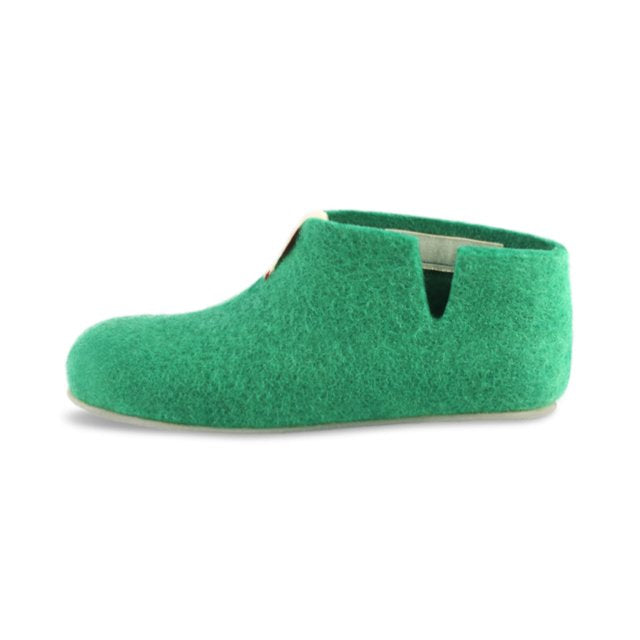
The best wool slippers balance structure and airflow. Felted wool, for example, can create a durable, supportive shape while still allowing the fiber to do its natural regulating work. The quality of the wool, the construction of the upper, and the overall fit all influence how well temperature control actually performs.
A slipper that is too tight can reduce airflow and make feet feel warmer than intended. One that is too loose may not hold heat efficiently in cooler conditions. Like most things in footwear, performance depends on the full design, not just the material on the label.
How wool slippers regulate temperature across seasons
Wool slippers are often seen as a winter product, but that view is too narrow. Yes, they are excellent in colder months because they help retain warmth without requiring bulky layers. But they also make sense during spring, fall, and even mild summer mornings or air-conditioned interiors.
What changes season to season is your threshold for insulation. If you live in a very warm climate and your home stays hot year-round, a lighter slipper or more open design may make better sense. If your space has cold floors or fluctuating indoor temperatures, wool can remain useful much longer than expected.
This is where design-conscious shoppers tend to appreciate wool most. It is not a one-note material. It fits into real routines - morning coffee, long desk hours, quick steps onto the balcony, evenings at home - without feeling excessively specialized.
Indoor comfort is not one-size-fits-all
There is also a personal factor. Some people have consistently cold feet and want maximum insulation. Others need a slipper that will not overheat after twenty minutes. Wool is strong because it serves both needs better than many alternatives, but the exact experience still depends on your circulation, home climate, and activity level.
That is why choosing the right wool slipper matters as much as choosing wool itself. A minimalist silhouette, a breathable shape, and a well-made wool upper will usually deliver more versatile comfort than an overly padded design.
The sustainability advantage of temperature-regulating materials
A material that works naturally often requires less compensation elsewhere. If your slippers help keep your feet comfortable across a wider range of temperatures, you are less likely to cycle through multiple low-quality pairs for different seasons or replace them quickly because they feel stuffy, flattened, or out of sync with daily wear.
That is one reason wool continues to stand out in responsible footwear design. It combines comfort and function in a way that feels inherently efficient. For a brand like Baabuk, that matters because performance should not be separated from material responsibility or long-term wear.
When a slipper stays comfortable day after day, season after season, that is not just a nice feature. It is part of what makes the product worth keeping in rotation.
What to look for if temperature regulation is your priority
If you are shopping specifically for thermal comfort, focus on material honesty and overall construction. Look for slippers with a high wool content, a shape that allows natural airflow, and a fit that is secure without feeling restrictive. Durable construction also matters, since compressed or worn-out materials will not regulate as effectively over time.
It is also worth thinking about where and how you wear them. For mostly indoor use on cold floors, a structured felted wool slipper can offer the right balance of warmth and breathability. For more movement throughout the day, lighter designs may feel better.
The goal is not maximum heat. It is steady comfort.
That is really the answer to how wool slippers regulate temperature. They work with your body instead of against it. When the material can insulate, breathe, and manage moisture at the same time, comfort feels less forced and more natural. And once you get used to that kind of balance, it is hard to go back.


