
















Best House Shoes for Hardwood Floors at Home
Cold hardwood has a way of announcing itself before your first coffee. The best house shoes for hardwood floors soften that first step while giving you the grip, breathability, and easygoing design you want for the rest of the day. They should feel light enough for a quick trip to the kitchen, supportive enough for a long work-from-home afternoon, and polished enough that answering the door does not require a footwear change.
Hardwood calls for more thought than carpet. Smooth surfaces can be slippery, particularly around entryways and kitchens, while rigid soles can create a sharp, noisy step. A well-made house shoe balances a stable outsole with a flexible feel, then adds materials that keep feet comfortable as temperatures change.
What the Best House Shoes for Hardwood Floors Need
Start with traction. A house shoe does not need the deep, aggressive tread of a hiking boot, but it should have an outsole that creates reliable contact with a smooth floor. Rubber is a strong choice because it stays grippy without feeling heavy. Look for a lightly textured sole rather than a completely flat, glossy finish, especially if your home has stairs or rooms where water occasionally finds its way onto the floor.
Then consider how the sole moves. Hardwood floors tend to expose the limits of overly thin slippers. They may feel cozy for a few minutes, but they offer little separation from the hard surface beneath you. At the other extreme, a thick, stiff platform can make an indoor shoe feel clunky. The sweet spot is a cushioned sole with enough flexibility to follow your natural stride.
Quiet matters, too. Heavy synthetic slides and hard molded soles can slap against wood with every step. A softer, lower-profile outsole helps reduce that sound, which is particularly welcome in apartments, shared homes, and early mornings. It also makes the whole experience feel more considered: comfort should not interrupt the room around you.
Choose a Sole for Your Home, Not Just Your Style
The right house shoe depends on how you use your space. If you move between a home office, kitchen, and sofa, a closed-back slipper or indoor shoe with a secure heel is usually the most practical option. It stays in place when you stand, carry laundry, or head upstairs, without the toe-gripping that can happen in loose slides.
Open-back styles work well for people who want quick on-and-off comfort. They are especially appealing in warmer homes or for a short morning routine. The trade-off is stability. If you tend to rush down stairs, have a busy household, or want one pair for all-day wear, a more secure construction is often worth it.
For homes with a door-to-sidewalk lifestyle, consider whether you need a shoe that can handle the occasional outside step. A durable rubber outsole is useful for grabbing the mail, watering plants, or walking out to the car. That does not mean every house shoe needs to become an outdoor shoe. Keeping indoor footwear clean protects your floors and helps it stay comfortable longer. But a sole designed for light outdoor use gives daily life a little more flexibility.
Why Wool Works So Well Indoors
Material changes everything. The best house shoes feel warm without turning your feet hot, and that is where wool stands apart from many conventional synthetic linings. Wool fibers help regulate temperature naturally, creating insulation when the floor is cold while allowing excess warmth and moisture to move away from the foot.
That breathability is valuable beyond winter. Homes are rarely one consistent temperature. You may start the day on a cool floor, sit near a sunny window by noon, then cook dinner in a warmer kitchen. A breathable wool upper or lining adapts more gracefully than materials that trap heat. For people whose feet get clammy in plush polyester slippers, the difference can be immediate.
Wool also has a naturally soft, textured appearance that suits an intentional home. It feels relaxed but refined, pairing easily with minimalist interiors, worn-in denim, or whatever you reach for on a remote-work day. The goal is not to make your house shoes precious. It is to choose a pair you enjoy seeing by the door.
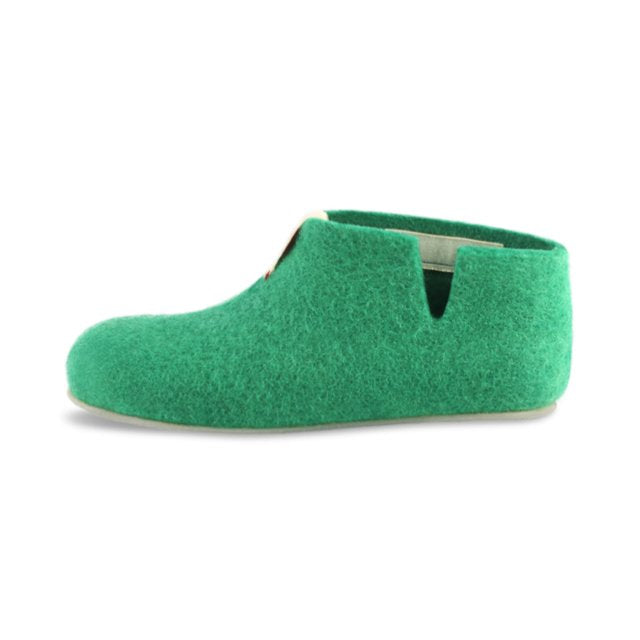
Baabuk builds around this idea, combining wool comfort with Swiss-designed silhouettes and a focus on responsible, long-lasting footwear. For hardwood-floor living, that material-first approach makes practical sense: less reliance on overly padded synthetic bulk, more attention to how a shoe feels hour after hour.
Fit Is a Safety Feature, Too
A grippy outsole cannot do all the work if the shoe is the wrong size. House shoes should hold your foot comfortably at the heel and across the instep, with enough room at the toes to let them relax. If your heel lifts significantly as you walk, the shoe may feel unstable on stairs. If the upper squeezes your forefoot, you are less likely to wear it long enough to benefit from its comfort.
Wool can gently conform to the foot over time, but that does not mean you should size down aggressively. Start with a fit that feels comfortably close rather than tight. If you regularly wear thick socks at home, account for them. If you prefer bare feet, prioritize a soft interior and breathable upper instead of adding extra room you do not need.
Pay attention to the collar as well. A low collar offers easy entry, while a slightly higher heel cup can help keep the shoe centered on your foot. Neither is automatically better. It comes down to your routine, your gait, and whether your house shoe is for relaxed lounging or active movement around the home.
Avoid the Common Hardwood Floor Mistakes
A soft slipper with no traction is not always the safest choice. Felt-bottom styles can feel wonderfully smooth on carpet but may slide too easily over finished wood. Likewise, socks with worn-out grip dots are not a dependable substitute for a real outsole, especially near stairs or while carrying something.
Another common mistake is choosing a shoe solely for plushness. Deep foam may initially feel luxurious, but it can compress quickly and leave your foot unsupported. More cushioning is not always more comfort. A stable footbed, flexible sole, and upper that breathes will usually serve you better across a full day at home.
Finally, think about care before you buy. House shoes meet dust, pet hair, cooking spills, and the occasional unexpected dash outdoors. Materials that can be aired out, spot-cleaned, or maintained according to clear care guidance are easier to keep in rotation. Choosing a pair designed for repair, replacement, or a longer product life also helps reduce the cycle of disposable indoor footwear.
A Simple Way to Narrow Your Choice
If your floors are cold and you mostly stay indoors, choose a closed slipper with a wool upper, a soft interior, and a thin but supportive rubber sole. If your home runs warm or you prefer a lighter feel, an open-back style can work well, provided the outsole has dependable texture. If you are constantly moving through your home and outside for quick errands, prioritize heel security and a tougher sole over extra loft.
Color and shape deserve consideration, but they should come after function. Neutral shades tend to work effortlessly in an entryway or bedroom, while a clean, low-profile silhouette feels less like temporary loungewear and more like part of your everyday wardrobe. The right pair should support your habits rather than ask you to change them.
A good house shoe earns its place by making ordinary moments better: the quiet walk to refill a glass, a focused hour at your desk, a slow Sunday morning on cool floors. Choose one with traction you trust, materials that let your feet breathe, and a design you will reach for every day.