


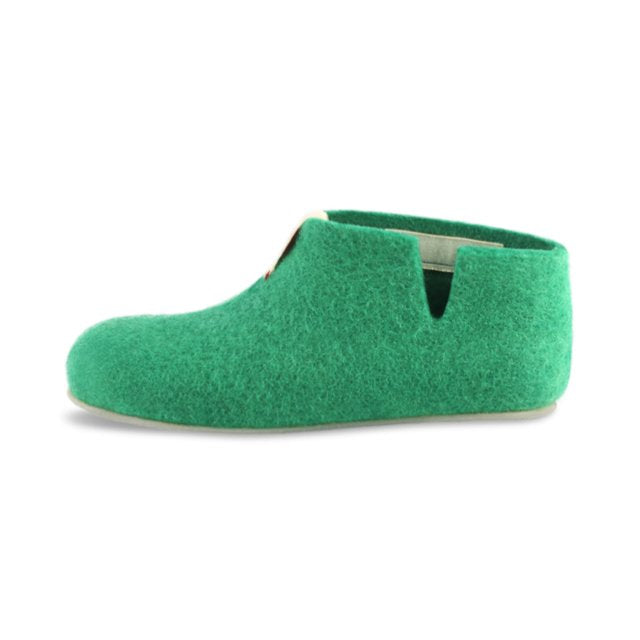














Comfortable Indoor Footwear That Feels Better
Your first steps after getting out of bed set the tone for the day. Cold floors, slippery socks, and flattened slippers can make home feel less restful than it should. Comfortable indoor footwear solves that small but persistent problem with warmth, cushioning, grip, and a shape that lets your feet relax.
The best pair is not simply soft. It should work with the way you live at home: making coffee, working from a kitchen table, carrying laundry upstairs, stepping onto a balcony, or settling in after a long commute. Natural materials and considered construction make a meaningful difference, especially when your indoor shoes become part of your daily uniform.
What Comfortable Indoor Footwear Should Do
Indoor footwear has a simpler job than an everyday sneaker, but it still needs to perform. A good pair creates a comfortable layer between your foot and the floor without feeling bulky or overly structured. It keeps feet at an easy temperature, stays secure while you move, and holds up to regular wear.
That balance matters because comfort is personal. Some people want a slipper that feels light and nearly barefoot. Others need more underfoot cushioning after a day on hard city sidewalks. If you work from home, you may wear slippers for eight hours at a time and want a sole that feels stable during frequent trips around the house. The right choice depends on your routines, your floors, and how much support you prefer.
Warmth without overheating
A pair of slippers can feel cozy for the first few minutes, then become uncomfortably warm by midmorning. That usually comes down to material. Synthetic fleece often traps heat and moisture, while natural wool fibers help regulate temperature. Wool can hold moisture vapor without feeling damp, helping feet stay more comfortable through changing indoor temperatures.
This is especially useful in homes where the temperature shifts from room to room. You should not have to choose between warm toes in the morning and sweaty feet in the afternoon. Wool offers insulation when it is cool and breathability when the heat is on.
A sole that matches your home
The sole is easy to overlook when shopping online, yet it shapes the entire experience. A soft sole can be ideal for quiet lounging on rugs and wood floors. A durable rubber sole adds traction and protection for tile, stairs, and quick trips outside to collect a delivery or take out the recycling.
Neither option is automatically better. A more substantial sole may feel less flexible, while a lighter sole may wear faster if you regularly step outdoors. Consider where your slippers will actually go, not just where you imagine wearing them.
Why Wool Works So Well at Home
Wool has a practical ease that suits indoor life. It is naturally soft, breathable, odor resistant, and insulating, all without requiring a heavy, padded feel. For people who dislike the plasticky warmth of conventional slippers, this is often the difference they notice first.
Wool also has a distinctive visual quality. Its matte texture and natural depth feel considered without looking precious, which makes it easy to wear with relaxed loungewear, pajamas, or the casual clothes you keep on during a work-from-home day. A clean silhouette in a neutral shade can look at home in a design-conscious space while still being the pair you reach for every morning.
Material choices matter beyond immediate comfort, too. Footwear built around enduring fibers and designed for repeat wear asks less of your closet than disposable alternatives. At Baabuk, wool is treated as both a performance material and a design material, with a focus on products made to stay in rotation rather than become a short-lived seasonal purchase.
Finding the Right Fit for Indoor Shoes
A slipper should feel easy, not loose. Your foot needs enough room for natural movement, but it should not slide forward with every step or lift out at the heel. A secure fit is particularly important on stairs and smooth floors, where a floppy slipper can become more frustrating than comfortable.
Check your usual size first, then think about socks. If you generally wear thick socks at home, a little extra room can be useful. If you prefer a close, sock-free fit, look for a shape that follows the foot without squeezing the toes. Wool may gently adapt to your foot over time, but a pair that feels painfully tight from the start is unlikely to become the relaxed everyday favorite you want.
Open back or closed back?
Open-back styles are easy to slip into and ideal for low-key mornings, quick breaks, and evenings when convenience is the priority. They give the heel freedom and often feel cooler. The trade-off is less security when walking quickly or carrying something with both hands.
Closed-back slippers stay more firmly in place and generally feel warmer. They suit households with stairs, cooler floors, and more active at-home routines. If you want one pair to wear from breakfast through an afternoon of remote work, a closed heel can offer a more dependable feel.
Cushioning or a grounded feel?
Plush cushioning can feel restorative, particularly on hard surfaces. But a highly padded footbed is not the only route to comfort. Some people prefer a lighter, more grounded design that lets the foot move naturally and does not leave them feeling unsteady.
Think about what your feet ask for after a typical day. If they feel fatigued or tender, modest cushioning and a supportive sole may be welcome. If you prefer flexible shoes and dislike a built-up feel, a lighter slipper may feel better over long stretches of wear.
Design Details That Make a Difference
The details are where a good indoor shoe becomes a favorite. A low-profile shape reduces the feeling of wearing a shoe indoors. A well-finished collar prevents rubbing around the ankle. A sole with reliable grip brings confidence on smooth surfaces, while a flexible upper helps the shoe move with you rather than against you.
Color deserves consideration, too. Light shades can brighten a bedroom or reading corner but may show marks sooner. Darker neutrals are practical for busy homes, families, and anyone who tends to step outside without changing shoes. The most versatile choice is usually the one that feels natural with your home wardrobe and does not require special treatment to stay looking good.
For travelers, packability is another useful feature. Indoor footwear can make a hotel room, family home, or rental feel more familiar, particularly when you are spending long days on your feet. A lightweight wool pair takes up little space and offers a more personal alternative to walking barefoot on unfamiliar floors.
Care That Extends Everyday Comfort
Slippers are exposed to daily wear, but they do not necessarily need constant washing. Wool's natural odor resistance means airing them out between wears often goes a long way. Let them dry fully if they become damp, and avoid leaving them near direct heat, which can affect the fibers and shape.
When cleaning is needed, follow the care instructions for the specific style. Gentle spot cleaning is often enough for small marks. A little consistent care preserves the fit, texture, and comfort that made you choose natural footwear in the first place.
It is also worth choosing brands that think beyond the initial purchase. Repair, replacement options, and resale or recycling programs can extend the useful life of footwear and keep good materials in use longer. Responsible design is not only about what a slipper is made from. It is also about what happens after years of real life.
The right indoor pair should make home feel more considered, not more complicated. Choose the warmth, sole, and fit that suit your daily rhythm, then give yourself the simple pleasure of stepping into something made for the moments between everything else.