

















Comfortable Sneakers Without Synthetic Materials
A pair of comfortable sneakers without synthetic materials should feel good long after the first few steps. That means more than a soft insole. It means breathable materials against the foot, a fit that allows natural movement, and construction designed for the pace of real life - commuting, traveling, walking the dog, or working from home.
For many people, the search begins after a familiar frustration: conventional sneakers can feel warm, stiff, and overly cushioned, yet still leave feet tired by the end of the day. Natural materials offer a different experience. They bring texture, temperature balance, and a quieter kind of comfort that does not rely solely on foam or plastic-heavy layers.
What “without synthetic materials” really means
The phrase sounds simple, but footwear is complex. A sneaker can contain an upper, lining, laces, stitching, reinforcement, footbed, adhesive, and outsole. Some of these components are easier to make from natural materials than others.
A truly synthetic-free sneaker is rare, particularly when it needs grip, weather resistance, and everyday durability. Natural rubber can be used for outsoles, for example, but it has different weight, flexibility, and wear characteristics than many conventional rubber compounds. Adhesives and small structural details may also be difficult to replace entirely.
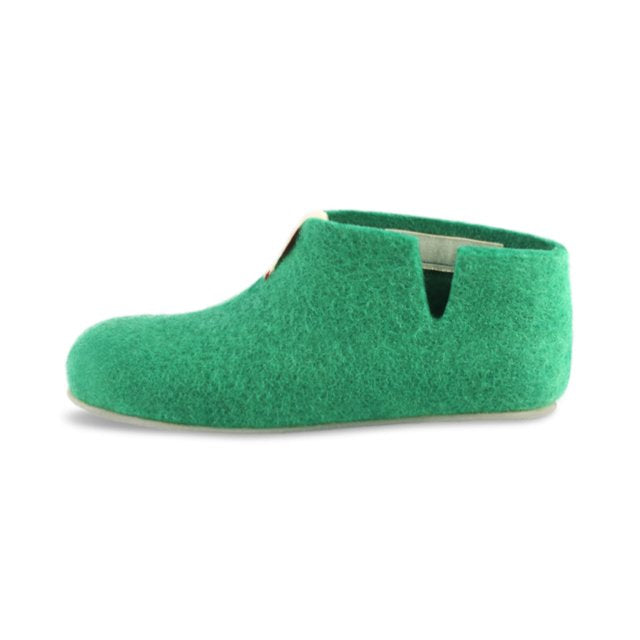
That does not make the goal less worthwhile. It simply calls for a more informed way to shop. Look beyond a single headline claim and ask which materials are closest to your skin, which make up the largest part of the shoe, and whether the brand explains its choices clearly. A wool upper and lining, natural rubber sole, and minimal construction can substantially reduce reliance on synthetics while creating a more comfortable everyday shoe.
Why natural materials can feel better on foot
Comfort is personal. A runner seeking high-impact protection may need something different from a city walker who spends hours on hard floors. Still, natural fibers have qualities that make them especially compelling for casual sneakers.
Wool is naturally breathable and helps manage moisture vapor, so feet can feel less clammy through changing temperatures. Its fibers have a gentle spring, creating a cushioned feel without the bulky sensation of thick padding. It is also naturally odor-resistant, a practical advantage for shoes worn frequently without socks.
The benefit is not only performance. Natural materials tend to soften and develop character with wear. Instead of feeling sealed off inside a dense technical shell, your feet can experience more air and flexibility. For remote work, travel days, and everyday errands, that can be the difference between shoes you tolerate and shoes you reach for.
Breathability is not the same as ventilation
Many athletic sneakers use mesh panels for airflow, but mesh alone does not always solve heat and moisture buildup. If the lining, foam, and upper layers are mostly synthetic, the shoe may still trap warmth.
Breathability works best as a system. A temperature-regulating upper, a low-bulk lining, and a footbed that does not hold moisture can create a more balanced environment. Wool is especially useful here because it responds to changes in temperature rather than simply adding holes to the shoe.
Softness needs structure
The softest sneaker is not automatically the most supportive. Too much compression can make feet work harder, while an overly rigid shoe can restrict the natural motion of walking.
Look for a flexible forefoot, a stable heel shape, and enough room across the toe box. These details help your foot move naturally while keeping the shoe secure. A well-designed natural-material sneaker should feel easy from the start, not loose or shapeless.
How to choose comfortable sneakers with fewer synthetics
Start with the use case. Are you looking for an indoor-outdoor shoe to wear around the neighborhood? A travel sneaker that packs easily? A clean everyday style for the office? The right balance of materials and support depends on where the shoe will take you.
Then examine the material breakdown. The upper and lining matter most for next-to-skin comfort. Wool, cotton, linen, and leather can all have a place, depending on the design and your preferences. For a lighter, breathable feel, wool is a strong option. For a more structured silhouette, leather may offer durability and shape, though it usually requires more break-in time.
The outsole deserves equal attention. Natural rubber provides dependable grip and flexibility, but it may feel heavier than ultra-light foam soles. That trade-off can be worthwhile if you value a grounded, durable feel and a more material-conscious design. If you walk long distances every day, consider the sole thickness and tread pattern rather than assuming a thicker sole is always better.
Fit is another essential part of comfort. Natural uppers can adapt gently over time, but they should not be painfully tight on day one. Your heel should stay in place, your toes should have room to spread, and the widest part of your foot should align with the widest part of the shoe. Try sneakers later in the day if possible, when feet are naturally a little fuller.
The materials to look for
Material labels can be crowded with broad claims, so it helps to focus on function. Wool is a standout for breathable, year-round comfort, especially in sock-like or felted constructions. It can provide warmth when temperatures drop without making a shoe feel stuffy indoors.
Natural rubber is a useful choice for outsoles because it offers traction and resilience. Cork can add lightweight structure to footbeds, while cotton may work well for canvas-style uppers and laces. Leather is durable and can be repaired in some constructions, although its comfort profile is very different from wool.
The best material is not always the one with the longest list of benefits. It is the one that fits the way you live. A wool sneaker may be ideal for an apartment-to-street routine and frequent travel. A cotton canvas sneaker may suit dry, warm days. A leather shoe may make sense when you want a more polished look and are willing to give it time to soften.
Design matters as much as materials
Natural materials deserve thoughtful design. A shoe can use wool and still feel awkward if the collar rubs, the sole is too stiff, or the proportions do not work with everyday clothes. The strongest designs balance material performance with a clean, wearable shape.
Minimalist sneakers tend to be especially versatile. They pair easily with denim, tailored trousers, relaxed dresses, or weekend layers, which means one pair can earn more wear across your wardrobe. Fewer unnecessary panels and overlays can also make the shoe easier to understand, care for, and potentially repair.
At Baabuk, wool is approached as a performance material as much as a design material. That perspective matters because comfort should not require compromising on a considered silhouette or responsible product choices.
Caring for natural-material sneakers
Natural sneakers reward simple, regular care. Let them air out between wears, especially after a long day or a trip. Remove loose dirt with a soft brush and spot-clean according to the care instructions for the specific material.
Avoid treating every shoe like a machine-washable item. Some wool constructions can handle gentle cleaning, while others are best refreshed with airing and careful spot treatment. Heat can damage natural fibers, alter shape, and affect glues or soles, so drying slowly at room temperature is usually the safer choice.
When the sole begins to wear or a small issue appears, repair can extend the useful life of a favorite pair. Choosing shoes from brands that support repair, replacement, recycling, or resale is a practical way to think beyond the first season of ownership.
The right sneaker should not ask your feet to adapt to it every day. Choose materials that feel good against the skin, construction that supports how you move, and a design you will want to wear often. Comfort becomes more meaningful when it lasts.


