


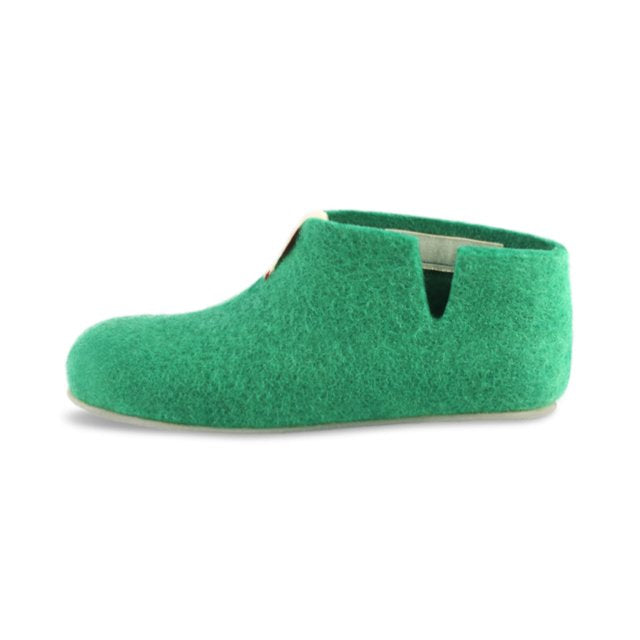
















Why Sustainable Wool Shoes Make Sense
The difference usually shows up around hour three. Synthetic sneakers start to feel warm, stiff, or slightly stale. Leather can look polished but still take time to soften. Sustainable wool shoes tend to feel different from the start - lighter on the foot, naturally breathable, and easier to wear across the messy overlap of home, commute, errands, and travel.
That appeal is not just about comfort. It is also about choosing footwear built from a material with real performance benefits and a more thoughtful production story. For people trying to buy fewer, better things, wool sits in a rare position. It feels premium, works hard, and makes sense in a wardrobe shaped by versatility rather than excess.
What makes sustainable wool shoes different
Wool has been used for clothing and footwear for generations, but modern sustainable wool shoes are not simply traditional products with a cleaner label. The best versions combine natural material intelligence with contemporary design, responsible sourcing, and practical construction that fits everyday life.
Wool naturally helps regulate temperature, which is one reason it feels comfortable across changing conditions. It can help keep feet warm when it is cool and breathable when temperatures rise. It also manages moisture better than many people expect. That matters if you wear the same pair indoors and outdoors, move between climates, or want shoes that feel comfortable without relying on heavily synthetic linings.
Then there is the sensory difference. Wool has a softer, more adaptive feel than many conventional uppers. It tends to move with the foot rather than fight it. For shoppers who are done with break-in periods and overbuilt athletic styling, that shift can feel immediate.
Sustainability adds another layer, but it is worth being precise. A shoe is not sustainable just because it contains wool. The full picture includes where the wool comes from, how it is processed, what the sole is made of, how long the shoe lasts, and what happens when it needs repair, resale, or replacement. Material choice matters, but so does the system around it.
Why wool performs so well in everyday footwear
If you are comparing natural and synthetic footwear, wool stands out because it solves several daily wear problems at once. Breathability is one. Odor resistance is another. Comfort in changing temperatures is a third. Most shoes do one or two of these things well. Wool often handles all three.
That makes it especially strong for modern routines that do not fit into a single category. A lot of people want one pair for the apartment, coffee run, office, airport, weekend walk, and casual dinner. Shoes that are too sporty can look out of place. Shoes that are too polished can feel restrictive. Wool occupies a useful middle ground - relaxed, clean, and quietly refined.
It also works well for people who spend long stretches on their feet at home. Remote work changed how many of us dress, but not our expectations around design. Comfort now has to coexist with style. That is where wool footwear feels current rather than niche.
Sustainable wool shoes and the trade-offs worth knowing
Natural materials are compelling, but honest shopping means looking at trade-offs too. Wool is high-performing, not magic. Depending on the construction, some wool shoes are better for casual everyday wear than for heavy rain, rugged trails, or intense athletic use. If your day regularly includes soaked sidewalks or technical terrain, outsole design and treatment become just as important as the upper material.
Fit can also vary by silhouette. A wool slipper, sneaker, boot, and sandal each use the material differently. Softer uppers may feel forgiving, but support comes from the full build - footbed, sole, shape, and structure. If you want all-day walking comfort, do not evaluate wool alone. Look at the complete product.
There is also the question of care. Wool is often easier to live with than people assume, but it still benefits from basic attention. A little airing out goes a long way. Spot cleaning may be enough for light marks. Some products are made for simpler care than others, so expectations should match the specific design.
The bigger point is this: sustainable wool shoes are a strong choice when they are designed with real use in mind, not when wool is added as a branding cue.
How to evaluate sustainable wool shoes before you buy
The first thing to look for is material clarity. Brands should be able to explain why they use wool, where it fits into the product, and what other materials are involved. If the sustainability message stays vague, that is usually a sign to look closer.
Next, consider sourcing and standards. Responsible wool sourcing matters because animal welfare, land management, and processing all shape the environmental story. The most credible brands do not hide behind broad claims. They give customers a clearer view of materials, production, and certifications where relevant.
Construction matters just as much. A well-made pair should feel lightweight without feeling disposable. Look at the sole, stitching, reinforcement, and whether the design appears built for repeat wear. Minimalist design can be excellent, but it should still communicate durability.
After that, think about circularity. Repair options, replacement programs, resale channels, and recycling initiatives are not side notes. They are part of what turns a better material into a better footwear system. A shoe that lasts longer and stays in use longer is almost always the smarter buy.
Finally, consider aesthetic range. The best sustainable products do not ask you to compromise on design. Clean lines, versatile color choices, and silhouettes that work across settings are part of the value. When a pair can move from indoors to outdoors and from weekday to weekend, it earns more space in your rotation and reduces the need for excess.
Why design matters as much as sustainability
A responsible product still has to be one you actually want to wear. That sounds obvious, but it is where many sustainable categories lose momentum. If the design feels overly earnest or obviously eco-coded, people may admire it without integrating it into daily life.
Sustainable wool shoes work best when they feel effortless. The shape should be modern. The finish should feel elevated. The comfort should be immediate. Good design is what converts a responsible purchase into a repeat favorite.
This is one reason wool has become more interesting in premium casual footwear. It brings texture and softness without looking sloppy. It can feel relaxed and refined at the same time. For urban professionals, frequent travelers, and families trying to simplify what they buy, that balance matters.
Brands like Baabuk have helped show how wool can support an entire footwear lifestyle, from indoor comfort to everyday sneakers and boots, while staying rooted in material performance and circular care. That broader view matters because it treats wool not as a novelty, but as a practical foundation.
Who sustainable wool shoes are best for
They make a lot of sense for people who value comfort but do not want the look of traditional performance footwear. They are also a strong fit for anyone sensitive to synthetic materials or frustrated by shoes that trap heat and odor.
Travelers often appreciate wool because it is adaptable and easy to wear across long days. Remote workers and city commuters like it for the same reason: one pair can cover more situations with less fuss. Families tend to value the softness, ease, and lower-drama wear experience too.
Still, the right pair depends on use case. If you want a house shoe, softness and warmth may lead. If you want an everyday sneaker, outsole grip and shape will matter more. If you want a boot, weather readiness enters the equation. Wool is versatile, but silhouette still sets the limits.
The bigger shift behind sustainable wool shoes
The rise of sustainable wool shoes reflects a broader change in how people shop. More customers are moving away from cheap rotation buying and toward products that feel better, last longer, and come with a clearer point of view. They want fewer materials that do more. They want comfort without visual clutter. They want sustainability that shows up in real choices, not just recycled packaging and soft language.
Wool answers that shift in a grounded way. It is natural, functional, and familiar, yet still feels fresh when paired with modern design and responsible production. That combination is hard to fake.
If you are reassessing what belongs in your closet, start with the pairs you reach for most often. The best shoes are not always the loudest or most technical. Sometimes they are simply the ones that feel right the moment you put them on - and keep making sense long after the trend cycle moves on.


