
















How to Recycle Old Slippers Without Waste
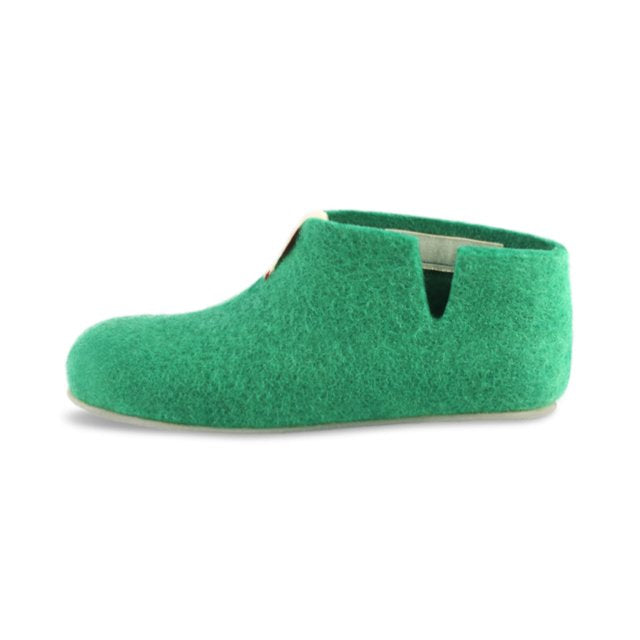
Your oldest slippers usually tell the truth before you do: the heel has flattened, the sole has lost its grip, or the lining no longer feels fresh. Knowing how to recycle old slippers starts with one practical question: what are they made of? A wool upper, rubber sole, foam footbed, and synthetic trim may each need a different next step.
Sending worn footwear straight to the trash is easy, but it is rarely the only option. With a little sorting, you can extend a pair’s useful life, direct materials to the right collection stream, or find a purpose for components that cannot yet be recycled locally.
First, decide whether they are truly finished
Recycling is valuable, but keeping a product in use for longer is usually the better first move. Look beyond surface wear. A slipper with a loose seam, worn-in insole, or tired-looking upper may still have plenty of comfortable life left after a small repair or a thorough clean.
Check the outsole first. If it is intact and still provides traction, a cobbler may be able to repair stitching, reinforce a weak edge, or replace certain components. If the sole is cracked through, separating from the upper, or too smooth to walk safely on, it is time to consider a different route.
A washable wool slipper may benefit from gentle care before you retire it. Follow the care label, use cool water when washing is recommended, and let the pair air dry away from direct heat. Wool naturally resists odors, so frequent washing is not necessary. Often, simply airing slippers out and brushing away dry dirt makes them feel ready for another season at home.
How to recycle old slippers by material
Footwear recycling is more complicated than recycling a glass bottle because slippers are often made from several materials bonded together. Recycling facilities need clean, recognizable material streams to make useful new products. The more mixed the slipper, the more likely it needs a specialized textile or footwear program.
Start by reading the label or product description, then separate what you can without forcing it. Remove loose inserts, laces, packaging, and detachable ornaments. Do not pull apart glued sections aggressively. A facility that accepts whole shoes may prefer them intact, while a textile recycler may ask for clean fabric only.
Wool and other natural-fiber uppers
Slippers made primarily with wool or other natural fibers can sometimes be accepted by textile collection programs. These programs may sort usable textiles for resale and worn textiles for processing into insulation, padding, or industrial materials.
Keep expectations realistic. Natural-fiber slippers with rubber soles are not the same as a wool sweater, so curbside textile bins may not accept them. Call or check the collection rules before dropping them off. If the upper is easy to separate from the sole and the program accepts clean textiles, it may be worth preparing that material separately.
For a pair made with wool, also consider reuse before recycling. Clean, soft material can be useful for small household projects, from protecting stored glassware to padding the bottom of a planter. This is not a permanent circular solution, but it gives a natural material another practical use when no local recycler can take it.
Rubber and synthetic soles
Rubber, EVA foam, and plastic-based outsoles are durable, but they are rarely accepted in standard household recycling. Do not place them in a curbside bin unless your local program explicitly says it accepts footwear components. Loose soles can contaminate a recycling stream and may be sent to landfill anyway.
Some shoe take-back and specialty recycling programs collect athletic shoes or mixed footwear and process the soles into surfaces such as playground material, flooring, or other rubberized products. Acceptance varies by location and by product condition. Ask whether the program accepts slippers, not only sneakers, and whether it requires pairs to be tied together.
Foam footbeds, lining, and mixed materials
Foam insoles and fleece-like linings can be especially difficult to recycle because they may contain blended fibers, adhesives, and coatings. If a removable insole is simply worn out but the rest of the slipper is sound, replacing it can postpone the need to recycle the whole pair.
When the entire slipper is at the end of its life, a footwear collection program that accepts mixed materials is usually the most responsible option. These programs have sorting systems designed for products that cannot be easily separated at home.
Find the right collection route
The best recycling option depends on where you live, what the slippers contain, and the condition they are in. Start locally. Municipal waste departments, recycling centers, and community textile drives sometimes list footwear collection options, particularly during seasonal cleanup events.
Retail take-back programs are another useful path. Some footwear brands and stores collect used shoes for reuse, resale, or material recovery. Read the details closely. A program labeled as a donation drive may only accept wearable pairs, while a recycling program may also take damaged shoes.
When you contact a collector, ask three clear questions: Do you accept slippers? Do you accept worn or damaged pairs? What happens to materials that cannot be reused? The answers help distinguish a program built for genuine recovery from one that only accepts products in near-perfect condition.
If you own Baabuk slippers, check the brand’s current repair, replace, recycling, and resale options before disposing of them. Product-specific programs can be a better fit because they understand the materials and construction behind the pair.
Reuse responsibly when recycling is not available
Not every old slipper belongs in a donation bin. Donating a pair with flattened support, holes, or an unstable sole shifts the sorting burden to someone else. Donation makes sense only when slippers are clean, structurally sound, and comfortable enough for another person to wear.
A worn pair can still be useful around the house. Keep them for messy gardening tasks, quick trips to the mailbox, painting projects, or as spare indoor shoes for guests. If only one slipper is worn beyond repair, use the matching slipper as a soft shoe for kneeling while cleaning or tending plants.
For creative reuse, cut only clean material with care and keep small pieces away from children and pets. A wool upper can become a protective wrap for delicate items, while a sturdy rubber sole may work as a pad beneath a small plant pot or furniture leg. These projects are best for truly end-of-life materials, not an excuse to hold onto clutter indefinitely.
Make your next pair easier to keep in circulation
The most effective way to reduce slipper waste happens before the next purchase. Choose a pair that fits well, suits the surfaces you walk on, and is made for the way you use it. An indoor slipper used outdoors every day will wear out faster, no matter how thoughtfully it was made.
Material choice matters, but construction matters too. Look for durable soles, replaceable elements where available, clear care guidance, and a brand that offers repair or take-back support. A simple, well-made design can also be easier to maintain than a slipper covered in hard-to-remove trims and mixed components.
Small habits protect comfort and extend wear. Let slippers air out between uses, avoid soaking them unnecessarily, keep them away from high heat, and reserve them for their intended setting. Rotating between two pairs can also reduce compression in the footbed and help each pair last longer.
A well-worn slipper has done its job: it has made ordinary moments more comfortable. Give it a final useful destination when you can, then choose its replacement with the same care you bring to the rest of your home.


