


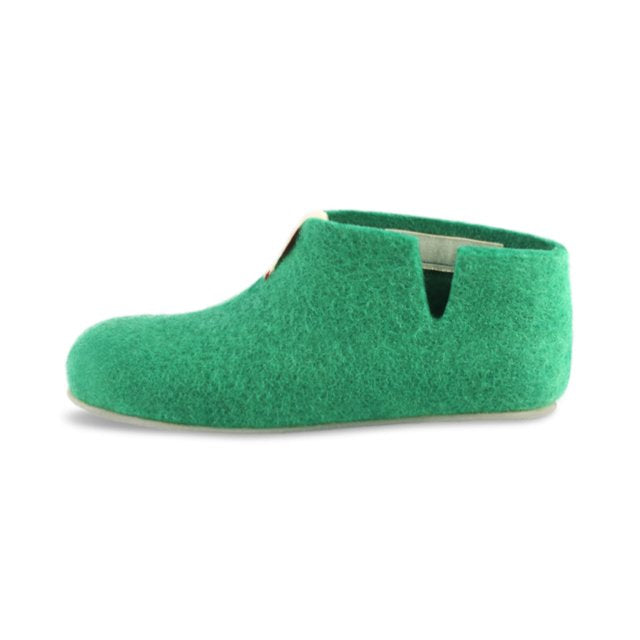

















Guide to durable slippers for winter
Cold floors have a way of making a home feel less comfortable, even when the heat is on. This guide to durable slippers for winter is for choosing slippers that feel good underfoot, work hard through the season, and stay worth wearing beyond one winter. The right pair is not simply soft at first touch. It should manage warmth, handle daily use, and fit naturally into a more considered wardrobe.
What makes a winter slipper truly durable?
A durable slipper is built around more than a thick sole or a plush lining. It starts with a material that performs well indoors, where temperatures can shift between a cool entryway, a sunny living room, and a warm home office. It also needs thoughtful construction: a secure upper, a sole suited to your floors, and a shape that holds up after repeated wear.
Durability is also about keeping a product in use. A slipper that can be cleaned carefully, repaired when needed, or passed on through a resale option has a very different life cycle from a pair designed for a single cold season. That is where material quality and responsible product systems meet.
Why wool works in winter
Wool is naturally insulating, but its appeal is not only about warmth. Its fibers help regulate temperature, which means your feet are less likely to feel overheated during a long morning at your desk or while moving around the house. Wool can also absorb moisture vapor, helping create a drier, more comfortable environment inside the slipper.
For winter footwear, this balance matters. Heavy synthetic linings can feel warm for a few minutes, then become stuffy. Wool offers a lighter, more adaptable kind of comfort. It is especially well suited to people who wear slippers from breakfast through evening, rather than only for a quick trip across a cold floor.
That said, not every wool slipper is made for the same conditions. A soft, sole-free style may be ideal for carpeted rooms and quiet lounging. A structured slipper with a durable outsole makes more sense for hardwood, tile, quick trips to the mailbox, or homes where the day rarely stays indoors.
Guide to durable slippers for winter: choose for your routine
The best style depends on how you actually live at home. Start with the floor beneath your feet, then consider how often you put slippers on, how warm your home runs, and whether you need a pair that can tolerate brief outdoor use.
For apartments with wood or tile floors, look for a flexible but protective rubber sole. It should provide traction without making the slipper feel like a bulky outdoor shoe. A good sole adds longevity because it reduces wear at the heel and forefoot, the areas that tend to break down first.
If you work from home, prioritize a supportive shape that stays secure when you stand, walk, and move between rooms all day. Backless slippers are easy to slip on, but a closed heel can offer a more stable feel for longer wear. The choice is personal: convenience is appealing, while a more enclosed design often feels better during active household routines.
For travel, lightweight construction matters. Wool slippers can be a smart packing companion because they take up little space and make unfamiliar hotel rooms, cabins, or family homes feel more comfortable. Choose a style with enough sole protection for common areas, but avoid overbuilt designs if your priority is an easy carry-on essential.
Look beyond the first-season feel
A slipper can appear substantial and still wear out quickly. Before choosing, pay attention to the points where materials meet. A clean join between upper and sole, reinforced areas around the heel, and a sole that does not feel overly thin are useful signs of a product designed for repeat wear.
Fit is equally important. Slippers that are too loose create friction and can lose their shape faster. Pairs that are too tight may compress the wool and feel uncomfortable once your feet warm up. Aim for a close but relaxed fit, with room for your toes to move naturally. If you prefer thick socks at home, account for that when selecting your size.
Color also has a practical side. Light natural shades bring a fresh, minimal look to indoor wear, but deeper tones may show less evidence of daily life in a busy household. Neither is inherently better. The right choice depends on how much care you want to give your slippers and how you want them to work with the rest of your home wardrobe.
Care is part of the product’s life
Good slippers do not need complicated maintenance, but they do benefit from consistent care. Let them air out between wears, especially after long days. Wool naturally releases moisture, and a little ventilation helps it retain its comfortable feel.
For small marks, spot cleaning is usually the best first response. Use a soft cloth, cool water, and a mild wool-safe cleanser if needed. Avoid soaking the entire slipper unless its care instructions specifically allow it. Too much water and heat can alter the shape and texture of natural fibers.
When a deeper clean is appropriate, follow the product’s care guidance closely. Drying matters as much as washing. Keep slippers away from direct heat sources such as radiators or high-heat dryers, which can stiffen materials or distort the sole. Let them dry naturally in a well-ventilated space, reshaping the upper gently if necessary.
Rotation can make a noticeable difference, too. If slippers are your everyday indoor shoes, alternating between two pairs gives each one time to air out and recover. It is a small habit that supports comfort and helps reduce unnecessary replacement.
Choose brands that support a longer life
Material claims are only one part of responsible footwear. Look for companies that are clear about where products are designed and crafted, how they approach production, and what happens when a pair has reached the end of its first life. Repair services, replacement options, recycling initiatives, and resale marketplaces all help make ownership more intentional.
Baabuk approaches this through wool-led design, Swiss-inspired simplicity, and circular options including repair and resale. For shoppers, these systems matter because they make it easier to care for a pair rather than treating wear as a reason to start over.
A B-Corp certification can also be a useful signal when comparing brands, though it should not replace practical questions about quality. Ask whether the slipper suits your floor type, whether the sole can withstand your routine, and whether the brand offers useful care support. A responsible choice should still be a choice you genuinely want to wear every day.
A better winter ritual starts at the door
The most sustainable slipper is not necessarily the one with the longest list of claims. It is the pair that fits your home, your habits, and your standards for comfort well enough to become part of your routine year after year. Choose natural performance, a sole built for your day, and care practices that keep a good pair in motion long after winter leaves.


