


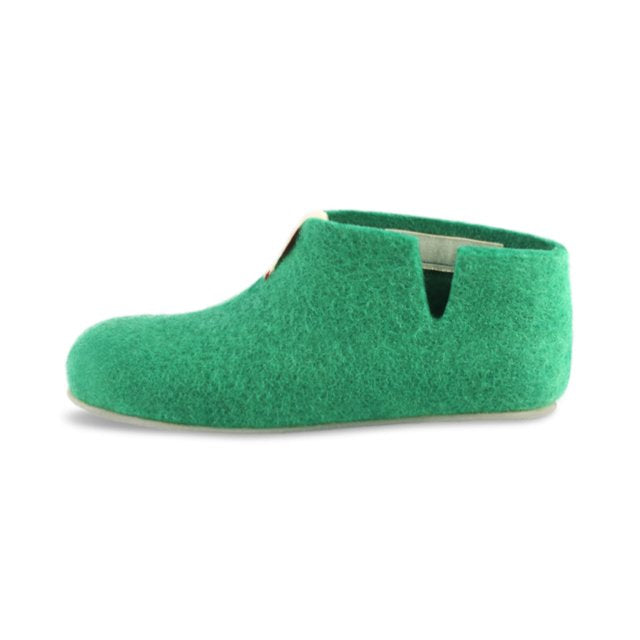
















Best Wool Boots for Winter: What to Look For
Cold feet ruin winter fast. The best wool boots for winter do more than add insulation - they help regulate temperature, manage moisture, and stay comfortable from the first commute to the last dog walk of the day.
That difference matters if you want one pair that feels good indoors, handles short outdoor trips, and still looks clean with everyday winter clothes. Wool has a way of making footwear feel lighter, softer, and less stuffy than many heavily padded alternatives. But not every wool boot is built the same, and the right choice depends on how you actually move through winter.
What makes the best wool boots for winter
A good winter boot has to do three jobs at once. It needs to keep warmth close, let excess heat escape, and provide enough structure for stable everyday wear. Wool is especially strong in the first two categories, which is why it works so well in cold-weather footwear.
Unlike many synthetic linings that trap heat until your feet feel overheated, wool tends to create a more balanced climate inside the shoe. That matters on a day when you move between sidewalks, trains, offices, and home. If your boots only feel good outdoors, they are not really solving the full winter problem.
The best wool boots for winter also feel easy to wear, not bulky. A lighter profile often makes a boot more versatile, especially for city life and casual daily use. If you want something you can wear for errands, travel, remote work days, and weekends away, comfort and flexibility matter just as much as raw insulation.
Warmth is only part of the story
It is easy to shop for winter boots by focusing on warmth alone. That usually leads people toward stiff, heavy footwear that works in extreme conditions but feels excessive in normal winter routines. For most people, the better question is how a boot performs across a full day.
Wool is useful because it does not just insulate. It also helps manage moisture, which changes how warm your feet actually feel. Damp feet get cold quickly, even inside thick boots. A wool-based interior or upper can help reduce that clammy feeling that often shows up when temperatures swing or when you spend time indoors.
This is where design matters. A sleek wool boot with thoughtful construction can feel more wearable than a bulky boot that looks winter-ready but spends half the day overheating your feet. If your winter is mostly commuting, neighborhood walking, and everyday errands, that balance is usually what you want.
When more insulation is not better
There is always a trade-off. Heavily insulated boots can be the right choice for deep snow, long outdoor exposure, or very low temperatures. But if your typical day includes heated indoor spaces, lots of stop-and-start movement, or travel, too much insulation can make a boot less comfortable.
That is why many design-conscious shoppers now look for boots that offer natural warmth without excessive weight. They want winter footwear that performs, but also feels refined enough to wear daily. In that space, wool stands out.
How to judge winter performance without overcomplicating it
You do not need a lab test to spot a strong winter boot. A few details usually tell you what you need to know.
Start with the outsole. Good traction is non-negotiable, but deep aggressive tread is not the only answer. For city winter, look for a sole that grips wet pavement and light snow while staying flexible enough for natural walking. If the sole feels hard and rigid in your hand, it may feel clunky underfoot too.
Next, look at the upper and lining. Boots that use wool well tend to prioritize soft structure rather than overbuilt padding. The result is a boot that feels warm and stable without becoming heavy. That is especially useful if you want something that transitions well between indoor and outdoor use.
Finally, think about the collar height and closure. An ankle boot can be ideal for quick daily wear, while a higher silhouette may make more sense in colder, snowier conditions. Slip-on styles are convenient, but laces or other adjustable closures give you more control over fit if you wear thicker socks.
Best wool boots for winter by lifestyle
The right winter boot for a snowy rural weekend is not always the right one for a weekday in Geneva, Chicago, or Berlin. Use case matters.
For urban daily wear, the best wool boots for winter usually combine clean design, moderate weather protection, and all-day comfort. You want something easy to style with jeans, trousers, or casual workwear, but still practical on cold sidewalks and wet streets. A streamlined wool boot with a dependable sole often does more for everyday life than an oversized technical boot.
For home-to-outdoor routines, lightweight wool boots are especially appealing. If your winter day includes walking the dog, grabbing coffee, picking up groceries, and working from home, flexibility matters. A softer, breathable boot can feel more natural than a rugged pair designed for alpine conditions.
For travel, packability and comfort become even more important. Wool footwear tends to shine here because it is often lighter and easier to wear for long stretches. If one pair needs to cover airport movement, city walking, and relaxed evenings, a well-made wool boot can be a smart choice.
If you deal with snow and slush every day
If your winter regularly includes heavy slush, standing water, or prolonged time outside, you should be more selective. In those conditions, look for wool boots that pair natural comfort with protective construction, especially around the sole and lower upper. Wool is excellent, but the full design has to support the season you actually live in.
There is no value in choosing a minimalist winter boot if your sidewalks are consistently icy and your commute involves deep snow. Function comes first. The best pair is the one that matches your real environment.
Fit, comfort, and why they matter more in winter
Winter footwear gets less forgiving when fit is off. Thick socks, colder temperatures, and stiffer outdoor surfaces can make a slightly wrong fit feel much worse. A good wool boot should feel secure without squeezing, with enough room for natural movement in the toes.
Wool can help here too. It often feels softer against the foot and adapts well to daily wear, which supports comfort over time. That does not mean sizing stops mattering. If you plan to wear heavier socks, account for that. If you want a closer fit for indoor-outdoor use, do not automatically size up too far.
The goal is simple: warm feet, stable steps, and no pressure points by midday. If a boot only feels right while standing still, it is not the right winter boot.
Style should not be separate from function
A lot of winter footwear still looks like it belongs to a different category from the rest of your wardrobe. That works for some people, but many want one pair that handles the season without dominating the outfit.
This is where wool has a quiet advantage. It brings texture, softness, and a more modern natural feel than many conventional winter materials. A clean wool boot can feel polished enough for daily life while still delivering practical comfort. That combination is a big reason wool footwear has moved beyond indoor categories and into broader everyday wear.
For a brand like Baabuk, that mix of comfort, responsible production, and Swiss-inspired design is the point. Winter shoes should perform well, look considered, and earn repeat wear instead of becoming seasonal clutter.
Care matters if you want your boots to last
Even the best wool boots for winter need basic care. Brush off dirt, let them dry fully after wet days, and avoid storing them near direct heat. Winter wear adds up quickly, and small habits make a difference in how your boots look and feel by the end of the season.
It also helps to think beyond the first purchase. Repairable construction, replacement options, and circular care models are worth paying attention to if you are buying with longevity in mind. Responsible winter footwear is not just about materials. It is also about keeping a good pair in use longer.
The smartest winter boot is rarely the heaviest or the most extreme. It is the pair you reach for almost every day because it feels warm, breathable, easy to wear, and right for the way you live.


