


















Shoe Repair Costs: When Repair Is Worth It
A loose sole does not always mean the end of a good pair of shoes. Shoe repair costs can be surprisingly reasonable when the upper is still comfortable, the fit is right, and the damage is limited to one hardworking part. Repairing what you already wear is often the more considered choice - for your budget, your routine, and the materials already in circulation.
The price, however, is never just about a hole, scuff, or worn-down heel. It reflects the shoe’s construction, the materials involved, the quality of the replacement part, and the time required for skilled work. A local cobbler may also price the same repair differently depending on regional labor costs and whether the work requires custom shaping or specialized equipment.
Typical Shoe Repair Costs in the US
For common everyday repairs, most people can expect to spend between $10 and $80. More involved work, especially a full resole or a repair on structured boots, can run from $90 to $200 or more. That can sound significant until you compare it with replacing a pair that is already broken in, well made, and suited to your life.
A simple sole reglue is often one of the most accessible repairs. If the outsole is separating at the toe or edge but the material remains intact, a cobbler can usually clean the surfaces and bond them properly for about $15 to $40. This is different from applying household glue at home. Footwear adhesives need to flex, hold under repeated movement, and tolerate changes in temperature and moisture.
Heel caps, the small pieces that wear down first on many boots and dress shoes, typically cost $20 to $45 for a pair. A larger heel rebuild may cost $40 to $90, depending on the heel material and shape. Catching heel wear early matters: once the cap wears through, damage can move into the heel block itself and make the job more complex.
Stitching repairs commonly range from $10 to $40. A split seam, detached strap, or frayed edge may be quick to repair if the surrounding material is sound. Repairs cost more when a cobbler needs to reinforce an area from the inside, match heavy thread, or work around hardware.
Full sole replacement is the biggest variable. A basic replacement outsole may begin around $75, while a premium resole for welted leather shoes or technical boots can reach $200 or more. Not every shoe is designed to be resoled, so ask before assuming it is possible. Construction, not just price, determines whether a new sole is a practical option.
What Changes Shoe Repair Costs?
The repair itself is only one part of the estimate. A cobbler is evaluating how your shoes were made, how they have worn, and whether the work will hold up after you leave the shop.
Construction comes first
Shoes with stitched or welted soles are often easier to resole because the upper and sole are built as separate, serviceable components. Cemented footwear, where the sole is bonded directly to the upper, can still be repaired in many cases, but removing and replacing a full sole may be more difficult. Some lightweight shoes use molded components that are not intended to come apart cleanly.
This does not mean bonded shoes are disposable. A loose edge, lifted toe, or minor separation can often be repaired well. It simply means a full reconstruction may not offer the same value as it would on a shoe designed for repeat resoling.
Materials affect labor and results
Leather, rubber, wool, suede, canvas, and synthetic components each respond differently to cleaning, glue, stitching, and heat. A repairer may need to source a compatible sole, use a specific adhesive, or protect delicate upper materials while working.
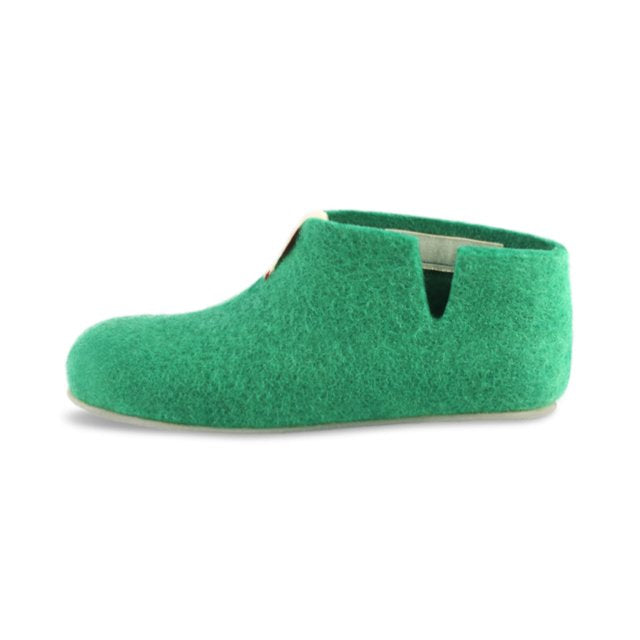
Natural materials deserve particular care. Wool footwear is breathable, soft, and naturally comfortable, but it benefits from a gentler approach than heavy leather work boots. A cobbler should assess whether a seam can be reinforced without creating a stiff spot, whether a sole attachment will remain flexible, and whether the repair preserves the shoe’s shape.
The condition around the damage matters
A repair is strongest when it is done early. A small sole separation is usually straightforward. If water, grit, and repeated flexing have worked their way into the opening for months, the underlying layers may need attention too.
The same is true for uppers. One small worn spot can often be patched or reinforced. Widespread thinning, cracking, or distortion may signal that the shoe has reached the point where repair will not deliver the comfort or longevity you expect.
When Is Repair Worth the Cost?
A useful rule is to consider repair when the work costs less than about half the price of a comparable new pair and the rest of the shoe is in good shape. But the decision is not purely financial. A pair that fits exceptionally well, supports your daily routine, or has a design you reach for year after year can be worth maintaining even when the numbers are close.
Start with the upper. If it is clean, structurally sound, and still feels good on your foot, a sole or heel repair often makes sense. Next, look at the interior. A worn insole can be replaced, but a collapsed heel counter or heavily damaged lining may change the way the shoe fits.
Also consider how the shoe is used. Your favorite house slippers may only need a small seam repair because they are protected from pavement and weather. Everyday sneakers face more abrasion and flex, so a sole repair needs to be evaluated more carefully. Boots built for years of use may justify a higher repair bill, while a lightweight fashion shoe may not.
There is value in being honest about expectations. A repair can extend a shoe’s life, but it cannot turn a worn-out pair into a new one. The best work preserves a shoe’s function and character without promising more than the construction can support.
How to Keep Repair Bills Lower
Care is not about treating shoes as precious objects. It is about a few simple habits that prevent minor wear from becoming structural damage.
Let shoes dry fully between wears, especially after rain or long walks. Heat can dry out adhesives and alter materials, so avoid placing them directly on radiators or using high heat. Brush away dirt before it settles into seams and edges, and remove small stones from tread patterns when you notice them.
Pay attention to the first signs of change: a clicking heel, a toe beginning to lift, stitching that catches, or an insole that no longer sits flat. Taking a pair in at that stage is often less expensive than waiting for a visible failure.
Rotation helps, too. Giving footwear a day off between frequent wears allows moisture to dissipate and cushioning to recover. For indoor shoes, keeping them indoors reduces the grit and abrasion that wear down soles faster than expected.
Questions to Ask a Cobbler Before You Commit
A good repair conversation should be clear and practical. Ask whether the repair is likely to hold, whether the replacement material will change the shoe’s flexibility or height, and whether there are signs of additional wear that should be addressed now.
It also helps to ask for an estimate before work begins and to clarify whether the price includes cleaning, replacement parts, and any needed reinforcement. If a repair is close to the cost of replacement, ask the cobbler what they would choose. Skilled repairers tend to be direct about what is worth saving.
For footwear designed around comfort and everyday use, the goal is not to preserve a pair at any cost. It is to keep a well-loved pair working well for as long as it can. Baabuk’s repair & replace approach reflects that same practical mindset: care for the products that still have life in them, then make a thoughtful next choice when they do not.
The best time to think about repair is before a shoe fails on a busy morning. Check the soles, seams, and heels when you clean your pair, and act on the small fixes. A modest repair today can keep your most comfortable shoes in rotation for many more walks, workdays, and slow weekends at home.
