
















Barefoot Wool Shoes for Everyday Comfort
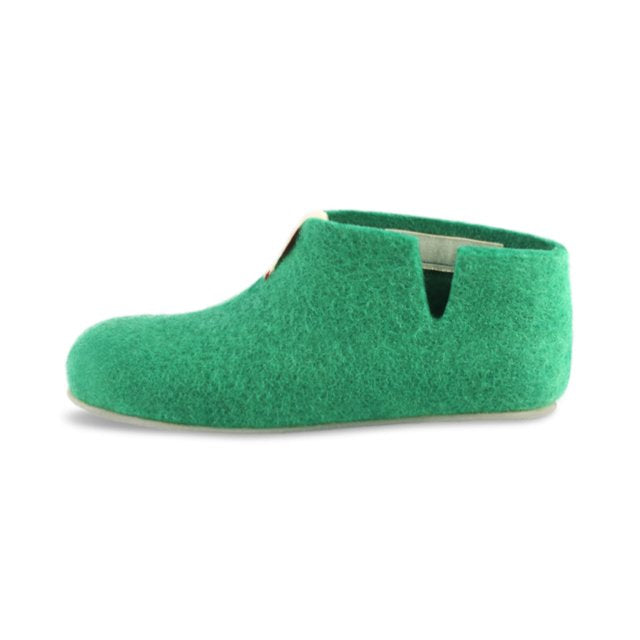
Slip into a pair of barefoot wool shoes and the difference shows up fast - less bulk, more natural movement, and a softer kind of comfort than most everyday sneakers can offer. For people who want footwear that feels lighter, looks clean, and relies less on synthetic heaviness, this category makes a lot of sense. The appeal is not only the barefoot shape or the wool upper on its own. It is the combination.
That combination matters because many minimalist shoes solve one problem while creating another. Some give your feet room to move but feel too thin, too stiff, or too technical for daily life. Others look refined but trap heat or lean heavily on plastic-based materials. Barefoot wool shoes sit in a more balanced place. They can support a natural walking experience while still feeling warm, breathable, and easy to wear from home to city errands to travel days.
What makes barefoot wool shoes different
At their core, barefoot shoes are designed to interfere less with the way your feet move. That usually means a wide toe box, a flexible sole, a low profile, and no heel rise. The goal is not to force your foot into a rigid shape. It is to give it space to spread, flex, and respond more naturally to the ground.
Wool changes the experience in a practical way. It softens the visual language of barefoot footwear, which can sometimes look overly sporty or niche. It also changes the feel on foot. A wool upper tends to be gentler, more adaptive, and more comfortable right away than many conventional materials. Instead of a break-in period that feels like a project, wool often feels wearable from the start.
There is also a climate benefit to wool as a footwear material. It helps regulate temperature well, which is one reason wool works across seasons better than people expect. In cooler weather, it feels cozy without becoming heavy. In milder conditions, it remains breathable enough for everyday wear. That range makes barefoot wool shoes especially appealing if you want fewer pairs that do more.
Why the barefoot fit matters
A lot of modern shoes are built around a narrow, tapered silhouette. It may look sleek on the shelf, but it often leaves the forefoot compressed and the toes crowded. Over time, that can simply feel tiring. Even people who have never tried minimalist footwear usually recognize the relief of extra room once they put on a pair with a foot-shaped fit.
A proper zero-drop, barefoot fit does not mean loose or sloppy. It means the shoe follows the natural outline of the foot more closely, especially at the toes, while staying secure through the midfoot and heel. That balance is what makes the category work. You get freedom where your foot needs it and structure where it helps the shoe stay stable.
There is a trade-off, though. If you are used to thick cushioning and aggressive arch support, barefoot shoes can feel surprisingly minimal at first. That is not necessarily a flaw. It just means the wearing experience is different. Some people adapt immediately. Others prefer a gradual shift, starting with shorter walks or alternating with more conventional pairs while their feet get used to the change.
Why wool works so well in minimalist footwear
Minimalist design strips away excess. Wool fits naturally into that idea because it is functional without looking engineered. It offers softness, flexibility, and breathability without relying on a stack of separate layers to create comfort.
That simplicity matters in everyday shoes. The more components a shoe has, the more chances there are for stiffness, pressure points, or visual clutter. Wool helps keep the product lighter in both feel and appearance. The result is often more versatile. A well-designed wool shoe can feel at home with relaxed tailoring, denim, travel wear, or indoor loungewear.
Wool also supports the kind of comfort that does not need much explanation. It feels dry rather than clammy. It feels warm without becoming stuffy. And because it has a softer hand than many synthetic uppers, it can make a barefoot silhouette feel more approachable for people who care as much about daily comfort as they do about foot mechanics.
Barefoot wool shoes for real life
The strongest case for this category is not performance in extreme conditions. It is daily use. These are shoes for the commute, the home office, short walks, weekend errands, and travel days when you want one pair to handle a lot without drawing attention to itself.
For remote work and indoor-outdoor living, barefoot wool shoes can be especially useful. They are lighter and more relaxed than many sneakers, but more complete and presentable than slippers. If your day moves between kitchen floors, neighborhood coffee runs, and a few hours at a desk, that flexibility is hard to beat.
They also travel well conceptually. People who pack carefully tend to look for products that cover more than one situation. A barefoot wool shoe with clean lines and a flexible sole can work as a city walking shoe, airport shoe, and casual evening option without taking up the role of three different pairs.
Of course, context still matters. If you need heavy rain protection, structured support for long pavement days, or serious trail traction, not every barefoot wool model will be the right answer. Minimalist comfort is excellent, but it has limits. The right expectation is versatile everyday wear, not universal performance.
How to choose the right pair of barefoot wool shoes
The first thing to look at is shape. A barefoot shoe should allow your toes to spread naturally. If the upper material is wool but the last is still narrow, you lose much of the benefit. Room in the toe box is not a small detail. It is central to how the shoe performs.
Next comes flexibility. The sole should bend and move with your foot instead of resisting it. You do not want a board-like platform under a soft upper. The whole point is harmony between upper and sole.
Then consider how and where you will wear them. If your use is mostly indoors and short outdoor trips, a softer construction may be ideal. If you want an all-day city shoe, you may prefer something with a bit more outsole durability and structure. The category is broad enough that both options exist, but they are not interchangeable.
Material quality matters too. Good wool should feel substantial without being bulky. It should hold its shape well, regulate temperature comfortably, and align with a more responsible way of making everyday products. That is part of why brands focused on wool as a core material, including Baabuk, stand out. The material is not an accent. It is the starting point.
Style is part of the appeal
Barefoot shoes used to ask customers to compromise on aesthetics. You chose them for the feel, then tolerated the look. That is changing. Wool helps because it brings texture, softness, and visual restraint to a category that once skewed highly technical.
For design-conscious shoppers, that shift is significant. A shoe can support natural movement and still look polished enough for everyday life. Neutral colors, simple construction, and a low-profile silhouette make barefoot wool shoes easier to pair with a modern wardrobe. They do not need to announce themselves as specialty footwear.
This is also where responsible design shows its value. Products that are made to last, easy to wear often, and simple to care for tend to stay relevant longer. That is better for your closet and better for reducing churn. Good design is not decoration. It is part of durability.
Are barefoot wool shoes right for everyone?
Not always, and that honest answer helps. If you strongly prefer highly cushioned shoes, the transition may feel too abrupt. If your daily routine includes long stretches on hard surfaces and you rely on substantial support, a more moderate option might be the better fit. Personal comfort still decides the outcome.
But for many people, especially those looking for breathable comfort, a more natural fit, and a cleaner material story, barefoot wool shoes are a smart middle ground. They feel less restrictive than conventional sneakers and more wearable than highly specialized minimalist footwear. That balance is exactly why the category keeps growing.
The best pair should make your day feel easier, not more complicated. If a shoe gives your feet room, keeps the design clean, and brings the natural performance of wool into everyday movement, you are probably on the right track. Start with the pair you will actually wear often - that is where comfort habits change for the better.


