

















Are Wool Shoes for Travel Worth It?
Airport shoes have a hard job. They need to be easy at security, comfortable after 12,000 steps, presentable enough for dinner, and forgiving when your itinerary shifts from train platform to cobblestone street to hotel lobby. That is exactly why wool shoes for travel have moved from niche choice to smart default for people who want to pack less without feeling underdressed or overbuilt.
The appeal is simple. Wool feels soft from the start, regulates temperature better than many synthetic materials, and brings a clean, understated look that works across more situations than a heavily technical sneaker. For travelers who value comfort, minimalist design, and more responsible materials, wool makes a strong case.
Why wool shoes for travel make sense
Travel exposes the weak spots in ordinary shoes fast. Feet swell on long flights. Weather changes. Sidewalks get longer than expected. Shoes that felt fine for a quick commute can become irritating by midafternoon in a new city.
Wool handles those shifts well because it is naturally breathable and insulating at the same time. In practice, that means your feet are less likely to feel clammy in warm terminals or chilled in cooler mornings. Good wool footwear also tends to feel flexible rather than stiff, which matters when you are wearing one pair for hours instead of rotating between several options.
There is also the packing advantage. If one pair can cover the flight, a day of walking, and a casual evening out, your bag gets lighter and your decisions get simpler. That versatility is the real value. Not every travel shoe can move that easily between comfort and style.
What wool does better than standard travel sneakers
Many travel shoes are designed around performance language, but everyday travel is rarely a performance event. Most people are not sprinting through mountain passes. They are standing in lines, walking through neighborhoods, and trying not to think about their feet.
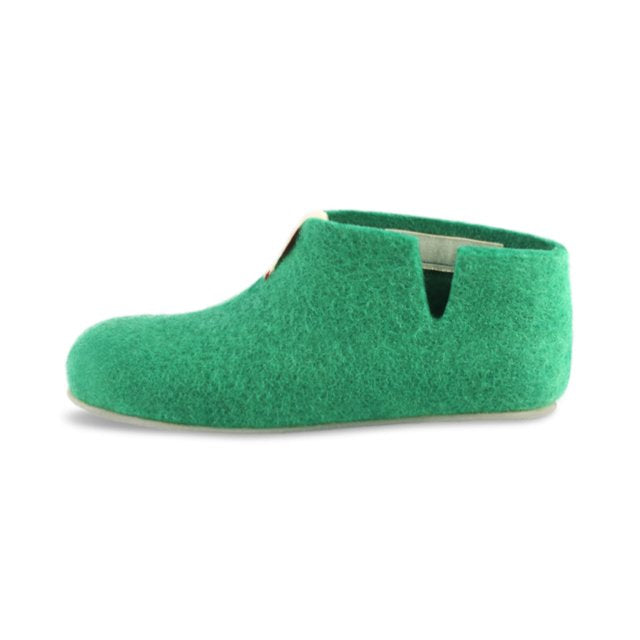
This is where wool stands out. It has a softer hand feel than many mesh or synthetic uppers, so the break-in period is often shorter. It also tends to look more refined. A well-designed wool sneaker or slip-on can sit naturally with relaxed tailoring, denim, or travel basics without looking like gym gear.
Odor management is another practical advantage. On multi-day trips, especially carry-on-only trips, anything that stays fresher longer earns its place. Wool has a clear edge here, particularly when compared with heavily synthetic shoes that trap heat and moisture.
That said, not all wool shoes are built the same way. The material matters, but so do the outsole, footbed, shape, and structure. A great upper cannot compensate for a poor sole or an awkward fit.
Where wool shoes for travel are the right choice
If your trip is built around cities, short transfers, mixed indoor-outdoor use, and a lot of walking at a moderate pace, wool shoes are often an excellent match. They are especially useful for travelers who prefer one well-chosen pair over multiple specialized pairs.
They also make sense for shoulder-season travel, when temperatures can swing throughout the day. Wool adapts better than many people expect. Cool morning, warm afternoon, late train ride back - one pair can stay comfortable through all three.
For remote workers and frequent flyers, there is another benefit: wool footwear often feels less restrictive over long wear. That matters on travel days that start early, run late, and include more sitting and standing than actual movement.
A design-conscious traveler may also simply prefer the look. Clean wool shoes fit naturally into a streamlined wardrobe. They do not demand attention, but they hold their own.
Where wool is not always the best travel shoe
There are trade-offs, and they matter.
If your trip involves heavy rain, rugged hiking, or hot, humid conditions with repeated soaking, you need to look carefully at construction and intended use. Wool performs well in a lot of environments, but not every wool shoe is made for downpours, steep trails, or technical outdoor use. Some are better treated as lifestyle travel shoes rather than all-terrain equipment.
Support is another variable. Travelers who need substantial arch support or a very structured shoe should not assume every wool model will deliver it. Some are intentionally minimal and flexible, which can feel excellent for one person and underbuilt for another.
Then there is style expectation. While wool shoes can look polished and modern, they are still casual in most cases. If your trip includes formal business settings, one versatile travel shoe may not cover every need.
How to choose wool shoes for travel
Start with your itinerary, not the material story. The right pair depends on how you actually travel.
For city breaks and everyday movement, a lightweight wool sneaker is often the easiest choice. It gives you enough structure for long walking days while keeping the look clean and adaptable. If your priority is airport comfort and quick on-off wear, a slip-on can be even better, especially when you want less friction at security and in transit.
Then look at the sole. This is where many travel decisions should be made. A durable outsole with reliable grip matters more than people think, particularly on wet pavement, subway stairs, and uneven streets. A travel shoe can feel beautifully soft on top and still fail because the bottom is too flat or too slick.
Fit is next. Wool can feel accommodating, but that does not mean sizing becomes irrelevant. You still want enough room in the toe box for long walking days, especially because feet can swell during flights. A shoe that feels barely right at home often feels wrong by day two of a trip.
Finally, consider how many roles the shoe needs to play. If it must replace both a sneaker and a casual evening shoe, choose a streamlined silhouette in a neutral color. If it is mainly for transit and light walking, softness and convenience may matter more than all-day support.
Comfort, style, and responsible design can work together
There is a reason wool footwear has become more visible in modern travel wardrobes. It speaks to a different kind of premium. Not loud logos, not exaggerated tech, just material quality, wearable design, and comfort that shows up where it counts.
For many travelers, that balance is more useful than a shoe that promises everything but only works in one narrow setting. Responsible production also matters more when you are buying fewer, better things. A well-made pair that can be worn often, cared for properly, and kept in circulation longer fits the way many people want to shop now.
Brands like Baabuk have helped define that category by treating wool as a performance and lifestyle material rather than a novelty. The result is footwear that feels aligned with how people actually move - between home, work, airports, weekends, and the spaces in between.
Care matters when you travel with wool
One reason wool shoes work well for travel is that they usually do not require constant maintenance on the road. Still, a little care goes a long way.
If they get lightly dirty, let them dry fully before brushing or wiping them down. If they are damp after a rainy walk, avoid placing them directly against strong heat. Letting them air out naturally helps preserve shape and comfort. On longer trips, that habit alone can keep a single pair feeling fresher.
It also helps to think beyond the trip. Shoes that are designed with repair, replacement, or longer product life in mind make more sense than shoes treated as disposable. Travel gear gets tested hard. Durability is not just a product feature. It is part of the value equation.
So, are wool shoes for travel worth it?
For the right traveler, absolutely. If you want one pair that feels comfortable early, looks considered, packs easily into a modern wardrobe, and handles a wide range of everyday travel moments, wool is a smart material choice.
Not every trip calls for it, and not every shoe made with wool will suit every foot. But when the design is right, wool brings together softness, breathability, understated style, and practical versatility in a way few travel shoes manage. If your goal is to move lighter and feel better doing it, that is a strong place to start.


