



















Guide to Sustainable Shoe Materials
A shoe can look clean and considered on the outside, then tell a very different story once you look at the materials. That is why a practical guide to sustainable shoe materials matters. The upper, lining, outsole, footbed, and even the glue all shape how a pair feels on foot, how long it lasts, and what kind of footprint it leaves behind.
For most people, the goal is not to memorize a chemistry chart. It is to make better decisions without overcomplicating a simple purchase. The best sustainable shoe materials tend to balance comfort, durability, lower-impact sourcing, and the ability to age well. No single option wins in every category, which is why material choice is less about perfection and more about fit for purpose.
What makes a shoe material more sustainable?
A material earns that label through a combination of factors, not one marketing claim. Where it comes from matters. How much energy and water it needs matters. So does whether it sheds microplastics, how well it performs over time, and whether the shoe can be repaired, resold, recycled, or worn for years before replacement.
That last point gets overlooked. A shoe made from promising inputs but designed for a short life is rarely the strongest choice. Longevity is one of the most useful filters a shopper can apply. If a material holds its shape, stays comfortable, and keeps the shoe in rotation, it usually reduces impact better than something cheaper that wears out fast.
A guide to sustainable shoe materials by category
Wool
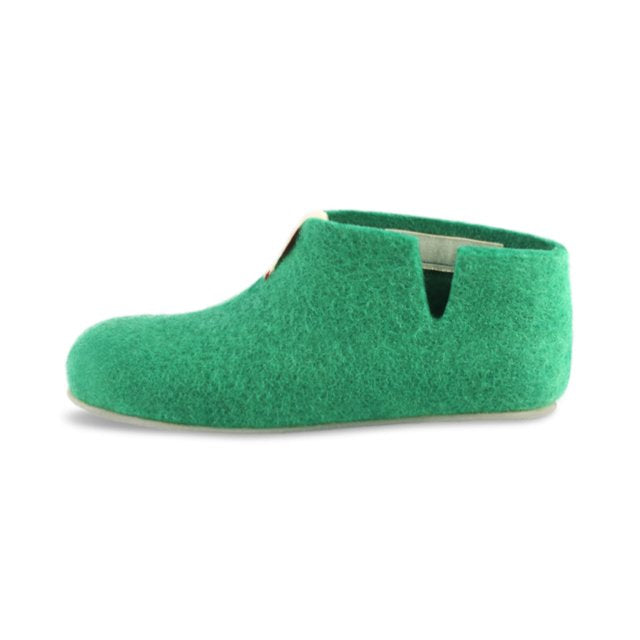
Wool stands out because it solves real comfort problems while keeping the material story relatively simple. It is naturally breathable, temperature-regulating, soft against the skin, and odor-resistant. In practical terms, that means a shoe can feel warm without getting stuffy and comfortable without relying heavily on synthetic padding.
For slippers, casual sneakers, and everyday indoor-outdoor pairs, wool performs especially well. It molds gently over time, helps manage moisture, and supports a minimal, clean design language. That combination is rare. Many materials can look refined or feel comfortable, but fewer do both while staying easy to wear across seasons.
The trade-off is that wool is not ideal for every use case. In heavy rain, abrasive terrain, or highly technical sports use, it may need reinforcement or blended construction. Care also matters. A well-made wool shoe can wear beautifully, but it should be treated as a premium natural material, not as something disposable.
Organic cotton and canvas
Cotton shows up most often in lightweight sneakers and casual summer styles. When sourced more responsibly, it can be a useful upper material because it is breathable, familiar, and easy to wear. It also supports simple, understated silhouettes that work well in everyday wardrobes.
The limitation is performance. Cotton absorbs moisture more readily than wool and tends to offer less natural temperature control. It can also lose structure faster, especially in shoes that get daily use. For shoppers who prioritize a crisp, lightweight feel, cotton can be a smart option, but it usually benefits from thoughtful construction and strong finishing details.
Linen and hemp
Linen and hemp deserve more attention than they usually get. Both fibers can bring a natural hand feel and a relaxed, textured finish that suits warm-weather footwear. They are especially appealing in low-profile sneakers, sandals, and house shoes where breathability is a top priority.
These materials tend to signal a more casual aesthetic, so they may not fit every product category. They can also crease or soften quickly, which some wearers see as character and others read as wear. If you like materials that age naturally and do not need a polished look every day, they are worth considering.
Cork
Cork is often used in footbeds rather than uppers, and that is where it shines. A good cork footbed can be lightweight, supportive, and comfortable over long periods of wear. It is especially effective in sandals, slides, and easy everyday shoes where underfoot feel is central to the experience.
Its weakness is exposure. Cork generally needs protection from constant soaking and rough abrasion. In the right design, though, it adds comfort without resorting to bulky petroleum-based foams. For people who care about natural materials but still want a supportive base, cork is one of the strongest options available.
Natural rubber
Outsoles matter more than many shoppers realize. They influence grip, flexibility, longevity, and the amount of synthetic content in the shoe. Natural rubber can be a strong choice because it offers traction and durability while moving away from fully petroleum-based compounds.
As always, there is nuance. Rubber formulas vary widely, and many outsoles are blends rather than pure natural rubber. That is not automatically a problem. Sometimes blending improves wear life or traction. The better question is whether the outsole is durable enough for the shoe’s intended use and whether the brand is transparent about the balance it has chosen.
Recycled materials
Recycled polyester, recycled foam, and recycled rubber are common in modern footwear. They can reduce dependence on virgin inputs and give existing material another life. In some categories, especially performance-inspired sneakers, they are a realistic part of a lower-impact construction.
Still, recycled does not always mean ideal. A recycled synthetic is still a synthetic, with many of the same end-of-life limitations. It may also be harder to recycle again once bonded with other components. That does not make recycled materials bad. It simply means they are often a better option when they solve a performance need or extend the useful life of a product, not when they are used as a shorthand for sustainability.
The full shoe matters more than one good material
A sustainable upper paired with a short-lived sole does not create a great shoe. The same goes for a natural footbed inside a design that cannot be repaired or cleaned easily. Material choices need to work together.
This is where construction becomes part of the conversation. Durable stitching, replaceable components, and a shape that holds up over time can do as much for sustainability as the material itself. Even the best seller in a collection should be judged by how it performs after months of real wear, not just how it looks on launch day.
How to read claims without getting lost
The easiest way to shop well is to look for clear, grounded language. If a brand explains what the upper is made from, what the outsole is made from, and why those materials were chosen, that is a good sign. If the message stays vague and leans on broad feel-good terms, take a closer look.
It also helps to think in layers. Ask what touches your foot, what supports your foot, and what meets the ground. A breathable upper, a comfortable footbed, and a durable outsole often create a better overall result than one headline material alone.
For design-conscious shoppers, there is another useful filter: will you still want to wear this pair next year? Style longevity is part of product longevity. Minimal, versatile footwear often stays in rotation longer, which makes responsible materials work even harder.
Choosing the right sustainable material for how you live
If you want an everyday shoe for home, commuting, travel, and light city wear, wool is one of the most balanced choices. It offers comfort, temperature regulation, and a refined natural look without asking you to compromise on ease. That is a big reason material-led brands like Baabuk continue to build around it.
If your priority is warm-weather lightness, cotton, hemp, or linen may feel right. If support is at the top of your list, cork footbeds are worth seeking out. If you need reliable traction and heavier daily wear, pay close attention to the outsole and not just the upper.
There is no perfect material, only better alignment between material, design, and daily use. The smartest purchase is usually the pair you will wear often, care for properly, and keep for a long time. Start there, and the material story becomes much clearer.
The best shoes do not need a long explanation once they are on your feet. They feel right, wear well, and make sense from the inside out.


