
















Barefoot Shoes Versus Regular Shoes Compared
A shoe can feel soft the moment you put it on and still leave your feet feeling restricted by late afternoon. That is the real question behind barefoot shoes versus regular shoes: not which category is universally better, but which design gives your feet what they need for the way you actually move, work, travel, and unwind.
For some people, a barefoot shoe brings a welcome sense of space and connection to the ground. For others, familiar cushioning and structure make long days on hard city surfaces more comfortable. The best choice is rarely about following a trend. It is about fit, transition, activity, and the kind of comfort you want to build into every day.
Barefoot Shoes Versus Regular Shoes: The Core Difference
Regular shoes generally use a raised heel, a shaped or tapered toe area, structured uppers, and thicker soles designed to cushion impact. These features can feel supportive, particularly if you spend hours standing, walking on pavement, or carrying a heavy bag. They also tend to create a familiar, polished silhouette that works easily across workwear and everyday wardrobes.
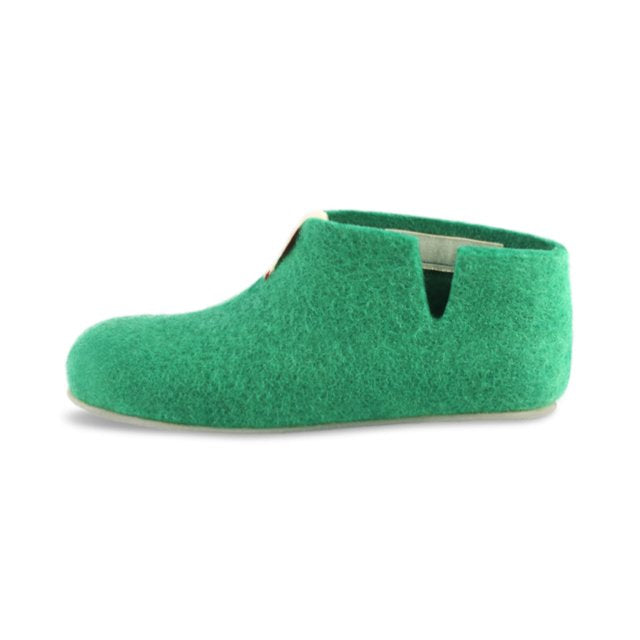
Barefoot shoes take a different approach. They are typically built with a wide toe box, a flat sole from heel to toe, flexible materials, and minimal cushioning. The idea is to interfere less with the foot's natural shape and movement. Rather than holding the foot in one position, the shoe leaves more room for toes to spread and lets the foot respond more directly to the surface beneath it.
Neither construction is automatically right for every person or every day. A low-profile sole can feel freeing on a neighborhood walk, yet feel demanding during an abrupt eight-hour shift on concrete. A cushioned sneaker can make commuting easier, while a narrow toe box may feel cramped on feet that naturally need more room.
Toe Room Changes More Than You Might Expect
Toe shape is one of the clearest differences. Many regular shoes narrow toward the front, which can bring toes closer together. Barefoot shoes are often shaped more like a foot, with space around the forefoot rather than a pointed finish.
That extra room can be especially appealing if your feet swell slightly over the day, if you prefer thicker socks in cooler weather, or if you simply dislike the feeling of your toes being pressed together. It can also make a shoe feel more relaxed without looking oversized. Fit still matters, though. A wider toe box should not mean a loose heel or a shoe that slides as you walk.
Heel Drop and Sole Thickness
Heel drop describes the height difference between the heel and the forefoot. Many regular shoes place the heel higher than the toes. Barefoot shoes are usually zero-drop, meaning the foot sits level from back to front.
A level platform can change how your calves, ankles, and feet work as you walk. People accustomed to raised heels may notice their calves working harder at first. This is why switching overnight can be uncomfortable, even when the new shoes fit well. The body often needs time to adapt to a different position and a thinner sole.
Sole thickness matters, too. A thicker sole filters out more of the ground's texture and impact. A thinner, flexible sole offers more sensory feedback, which some wearers enjoy because it encourages more attentive steps. But sensory feedback is not the same as having no protection. A well-made barefoot shoe should still create a durable barrier between your feet and the street.
What Regular Shoes Do Well
Regular shoes remain a practical choice for many routines. Cushioning can reduce the immediate feeling of impact on hard floors and sidewalks. Structured uppers and firmer soles may feel steady for people who prefer a more guided, secure sensation underfoot.
They can also be easier to wear right away. If you have worn conventional sneakers, boots, or dress shoes for years, your body is already familiar with their geometry. There is no transition period to manage, and that familiarity can be valuable before a busy travel day, an event that requires long standing, or a week when your activity level suddenly increases.
Design is another real consideration. Not every regular shoe is narrow, stiff, or heavily built. Plenty of modern casual styles prioritize softer uppers, breathable linings, and lighter construction. If you want cushioning without a bulky look, seek out shoes with a comfortable forefoot, flexible materials, and enough room for your toes to settle naturally.
What Barefoot Shoes Do Well
Barefoot shoes are often loved for their simplicity. Their flexible construction can make walking feel less constrained, while a wide forefoot allows the toes to move rather than merely fit inside a shape. For everyday errands, relaxed commuting, travel, and time at home, that freedom can feel especially good.
They also pair naturally with a minimalist wardrobe. A clean low-profile sneaker, sandal, or boot can look refined rather than technical. Material choice matters here. Natural wool, for example, adds breathable comfort and temperature-regulating performance without relying on an overly sporty aesthetic. It can keep a flexible shoe feeling soft and easy across changing conditions.
From a responsibility standpoint, minimal construction can also invite more thoughtful design. Fewer unnecessary layers, durable materials, and products made to be cared for can support a longer relationship with what you wear. At Baabuk, that thinking extends beyond the first wear through repair, replacement, recycling, and resale options designed to keep footwear in use longer.
That said, barefoot shoes are not a shortcut to stronger feet or better movement. Individual needs vary. Previous injuries, foot pain, mobility concerns, and specific medical conditions can all change what feels appropriate. If pain persists or you are managing a health concern, a qualified clinician can offer guidance based on your own gait and history.
How to Choose for Your Everyday Routine
Start with where your shoes will spend their time. A flexible, zero-drop style may be a natural match for casual walking, working from home, school runs, and travel days when you want light packing and easy comfort. A more cushioned shoe may make more sense for long shifts on hard floors, high-mileage days, or activities where you already know your body prefers extra protection.
Then consider your footwear history. If you regularly wear structured running shoes or boots with a raised heel, treat barefoot shoes as a gradual change, not an all-or-nothing replacement. Wear them for short walks or a few hours at a time. Alternate with your usual shoes, and increase time only when your feet and calves feel comfortable the next day.
Pay attention to fit before philosophy. Your heel should feel secure, your toes should have room to move, and the upper should not create pressure across the top of the foot. Try shoes later in the day when feet are often at their fullest. If you wear wool socks in winter or go sock-free in summer, test the fit in the way you plan to wear them.
A Gradual Transition Is the Smart Transition
The most common mistake is treating a minimalist shoe like a challenge. There is no prize for taking your longest walk on day one. Begin with familiar, low-intensity settings: an afternoon around the house, a quick coffee run, or a gentle walk on a route you know well.
Give your body a chance to respond. Mild muscle awareness can happen as your feet and lower legs adjust, but sharp pain, numbness, or discomfort that worsens should not be pushed through. Rest, return to your previous shoes when needed, and slow the pace. A thoughtful transition is more likely to feel sustainable than a dramatic switch.
You also do not need to choose one category forever. Many people keep both barefoot and regular shoes in rotation. A flexible shoe might be the go-to for everyday movement and relaxed weekends, while a cushioned pair earns its place for a demanding commute or a full day on concrete.
Comfort Starts With an Honest Fit
Barefoot shoes versus regular shoes is ultimately a question of what comfort means to you. Is it plush cushioning and familiar support? Or is it a roomy toe box, a flexible sole, and fewer barriers between your feet and natural movement?
Try to make the decision on an ordinary day, not just in a fitting-room moment. Walk, stand, take the stairs, and notice how the shoe feels after a few hours. The right pair should make your routine feel easier to inhabit - with enough room to move, materials you want close to your skin, and a design you will reach for again tomorrow.
