


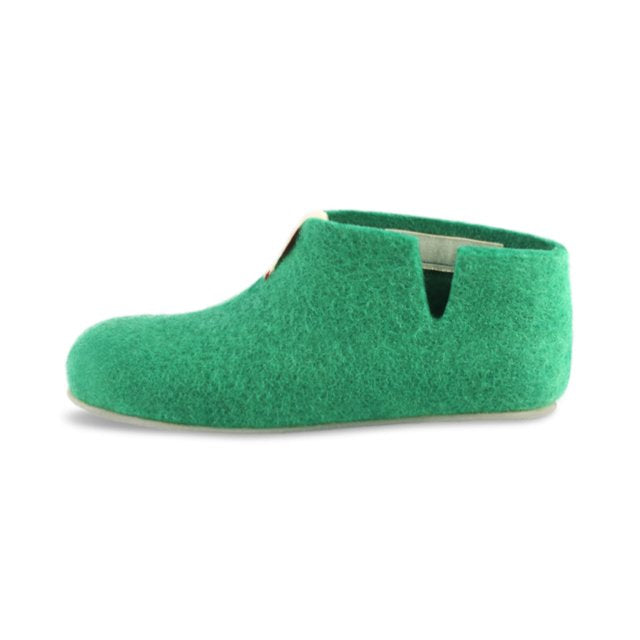














How to Dry Wool Shoes Without Losing Their Shape
A rainy commute, a wet sidewalk, one enthusiastic puddle - wool shoes can get soaked before you reach the door. Knowing how to dry wool shoes properly keeps that from becoming a reason to rush for a radiator. The goal is simple: remove moisture slowly, support the shoe’s shape, and let wool do what it does best - return to comfortable, breathable everyday wear.
Wool is naturally resilient, but high heat and rushed drying can still affect the fibers, adhesive, outsole, and structure of any shoe. A little patience is better for the pair you already love and helps extend its useful life.
How to Dry Wool Shoes Step by Step
Start as soon as you can, especially if the shoes are thoroughly wet. You do not need specialized equipment. A clean towel, plain unprinted paper, and a well-ventilated spot are enough.
First, take the shoes off and shake away loose water. If there is mud or grit on the outsole, wipe it away with a damp cloth before it dries. This prevents dirt from being pressed into the wool while you handle the shoes.
Next, gently blot the upper, lining, and sole with a dry absorbent towel. Press rather than rub. Rubbing wet wool can roughen the surface and may encourage pilling over time. If the towel becomes saturated, switch to a dry section and continue until the shoes no longer feel dripping wet.
Remove the insoles if your pair has removable ones. Take out laces as well, if applicable. These parts trap moisture and often need longer to dry than the shoe itself. Leaving them inside can make the whole process slower and can leave the interior feeling damp even when the outside seems ready.
Fill the shoes lightly to hold their form
Loosely stuff each shoe with plain paper or a clean, dry cotton cloth. The filling should support the toe box and absorb moisture without stretching the upper. Avoid glossy magazines, printed newspaper, or colored tissue paper, since inks can transfer when damp.
Replace the paper after a few hours if it feels wet. For shoes that were only caught in light rain, one change may be enough. After a deep soak or a careful hand wash, expect to change the paper two or three times during the first day.
Do not overfill. Wool footwear should dry in its natural shape, not be pushed outward from the inside. If the heel has softened from moisture, stand the shoe upright and use just enough paper to maintain its silhouette.
Choose gentle airflow, not direct heat
Place the shoes in a dry, airy room at room temperature. A shelf near an open window can work well when the weather is dry. In humid conditions, a fan set several feet away helps move air around the shoes without blasting one area with heat.
Keep the pair away from radiators, heating vents, fireplaces, heated floors, and direct, intense sunlight. Do not use a clothes dryer or a hair dryer. Fast heat can make wool feel less soft, distort the shape, weaken glued components, and cause certain soles to dry unevenly.
A warm room is fine. A hot surface is not. If you can comfortably hold your hand where the shoes are drying, it is generally a better environment than a spot that feels hot to the touch.
How Long Do Wool Shoes Take to Dry?
It depends on how wet they are, the thickness of the wool, and the humidity in your home. Shoes damp from a brief walk may dry overnight. A fully soaked pair can take 24 to 48 hours, occasionally longer in cool or humid weather.
Resist the temptation to wear them before they are dry all the way through. The lining and footbed can retain moisture after the upper feels dry. Wearing shoes too soon compresses damp material, slows the final stage of drying, and can create unwanted odor.
Check by removing the paper and feeling inside the toe box, under the tongue, and around the heel. The shoe should feel dry, not cool or clammy. If it is still damp, add fresh paper and give it more time.
What Not to Do With Wet Wool Shoes
The most common drying mistakes come from trying to finish the job quickly. Wool responds best to low-intervention care, not force.
Avoid these shortcuts:
- Do not put wool shoes in a dryer, even on a low setting.
- Do not rest them against a radiator, heater, or fireplace.
- Do not leave them in direct afternoon sun for hours.
- Do not wring, twist, or tightly squeeze the upper.
- Do not stuff them with printed paper that could bleed color.
- Do not store them in a closed shoe cabinet while they are still damp.
Drying Insoles and Laces Properly
Insoles deserve separate attention because they sit where moisture from rain and daily wear collects. Blot them with a towel, then lay them flat in a ventilated room. Do not bend them over a heater or hang them in a way that changes their curve.
Laces can be blotted and left flat on a towel. If they are visibly dirty, clean them separately according to the shoe’s care guidance, then allow them to dry completely before relacing. Reassembling a shoe while its components are still damp can hold moisture in place.
For shoes with non-removable insoles, use a small amount of paper or a dry cloth inside the shoe and change it more often. Give the toe box particular attention, since that is where airflow is weakest.
If Your Wool Shoes Smell Damp
A damp smell usually means the shoes need more drying time, not stronger fragrance. Remove the insoles, replace the paper, and let the shoes air out in a dry room. A fan nearby can help, as can placing the pair where air can circulate around all sides.
Once the shoes are fully dry, a soft brush can lift away any surface dust. For occasional refreshment, follow the care instructions that came with your footwear. Skip heavy sprays and harsh household cleaners, which can leave residue on natural fibers and change the feel of the material.
Regular rotation helps, too. If you wear the same pair every day, giving it a full day to rest between wears allows interior moisture to evaporate naturally. That is one reason wool footwear works so well for travel, work-from-home days, and everyday movement: it is comfortable in motion, then easy to care for with a little breathing room.
Keep the Shape You Chose
Wool shoes are designed to feel easy, but easy care still benefits from a thoughtful routine. After wet weather, blot them, lightly shape them with clean paper, and let room-temperature airflow do the work. Baabuk designs with natural comfort and long-term wear in mind, and careful drying is a small habit that supports both.
The best sign that your shoes are ready is not a strict number of hours. It is a pair that feels dry inside and out, holds its familiar shape, and is ready for wherever tomorrow takes you.