
















Felted Wool Versus Synthetic Slippers Compared
A slipper can look like a small purchase, but it shapes the hours when comfort matters most: early coffee, home-office calls, quiet evenings, and weekends spent moving between rooms. When comparing felted wool versus synthetic slippers, the difference is not simply natural versus man-made. It is about how each material manages temperature, moisture, wear, and the life it has after years underfoot.
For people who want their home footwear to feel considered rather than disposable, felted wool brings a distinctive mix of warmth, breathability, and texture. Synthetic slippers can have their place too, especially when price, machine-wash convenience, or a particular construction is the priority. The better choice depends on how, where, and how often you wear them.
Felted Wool Versus Synthetic Slippers: The Core Difference
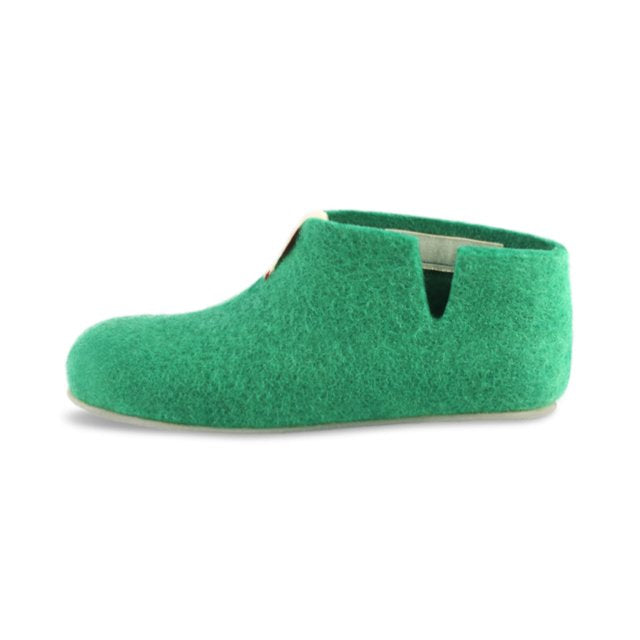
Felted wool is made by matting wool fibers together with moisture, heat, and agitation. The resulting material is dense enough to hold its shape, yet it still carries the natural character of wool. A well-made felted wool slipper feels substantial without becoming stiff, and its surface develops a soft, lived-in look over time.
Synthetic slippers are commonly made from polyester fleece, acrylic blends, foam, microfiber, or faux-fur-style fabrics. These materials can be plush straight out of the box and are often designed around a low initial price. Their performance varies widely. A structured slipper with a quality lining and sole behaves very differently from a thin foam pair intended for occasional guest use.
The key distinction is how the fibers respond to your feet. Wool fibers have a naturally crimped structure that creates tiny air pockets. Those pockets help retain warmth in cooler rooms while allowing excess heat to move away when your feet warm up. Many synthetic fibers trap heat effectively, but they do not manage changing conditions in quite the same way.
Comfort Is About More Than Softness
A synthetic slipper can feel exceptionally soft at first touch. Plush linings and thick foam create an immediate cushion, which is appealing after a long day. The trade-off is that some synthetic uppers and linings can feel warm quickly, particularly during extended wear or in well-heated homes.
Felted wool comfort is less about a fluffy surface and more about balanced insulation. Wool helps feet stay warm without feeling sealed in. It can absorb moisture vapor before it feels damp, then release it as conditions change. That makes felted wool especially useful for people whose feet run warm, anyone working from home for long stretches, or households where slippers go on in the morning and stay on until evening.
Fit matters as much as fiber. Felted wool often relaxes gently around the contours of the foot with regular wear, creating a more personal fit. It should not be purchased overly loose in anticipation of stretch. Synthetic fabrics generally hold their original shape more consistently, though foam footbeds can compress and lose support over time.
What to expect in different temperatures
In a cool apartment or a drafty house, both materials can provide warmth. Felted wool tends to offer a more even, breathable warmth, while synthetic fleece can feel hotter faster. In mild weather, wool is often the easier all-day option because it adapts better as your body temperature changes.
Neither material replaces a properly ventilated shoe in extreme heat. But if you want one pair that can handle a chilly morning, a busy day at a desk, and a relaxed evening, felted wool is usually more versatile.
Moisture, Odor, and Everyday Freshness
Slippers spend close to the feet, so moisture management is not a minor detail. Synthetic fibers generally absorb very little moisture. That can be useful when a surface gets splashed, but it also means perspiration stays closer to the skin or lining until it evaporates. In a closed slipper, this may contribute to a clammy feeling and lingering odor.
Wool can take in moisture vapor while still feeling dry to the touch. Its fiber structure also helps reduce odor buildup between wears. That does not mean wool slippers never need care. Every slipper benefits from regular airing, especially after heavy use. But wool’s natural performance often means less frequent washing and a fresher feel during daily wear.
This is one reason material-first footwear earns a place in a more intentional home wardrobe. Fewer unnecessary washes can be easier on both the slipper and the routine around it.
Durability Depends on Construction, Not Just Fiber
It is tempting to call one material durable and the other disposable, but the real picture is more specific. A low-cost synthetic slipper can flatten, pill, or separate at the sole after a season of heavy use. A well-designed synthetic model with reinforced stitching and a substantial outsole may last much longer.
The same is true for wool. Felted wool is resilient, but it needs the right density and a sole designed for its intended use. Dense wool felt resists everyday abrasion better than thin, loosely made fabric. A supportive footbed and durable rubber sole also make a meaningful difference, especially if you step onto the porch, take out the trash, or move across hard floors all day.
Look beyond the upper material when choosing. Check whether the sole offers grip, whether the heel is stable, and whether the slipper can be repaired or responsibly handled when it reaches the end of its useful life. Baabuk approaches footwear with this longer view, including repair, replacement, recycling, and resale pathways designed to keep quality products in use longer.
Care: Easy Does It
Synthetic slippers are often marketed as easy-care, and some are machine washable. Always follow the label, because heat can damage foam, loosen adhesives, and change the texture of plush linings. Frequent laundering may also shorten the life of a synthetic slipper that relies on glued layers or padded interiors.
Felted wool needs gentler care, but its routine is simple. Air slippers regularly and brush away dry dirt when needed. Spot-clean a mark with a damp cloth and a small amount of wool-safe cleanser, then let the slippers dry naturally away from direct heat. If a full wash is recommended by the maker, use cool water and minimal agitation. Heat and friction can cause wool to shrink or become more densely felted.
For both materials, rotating pairs can help. A slipper that has time to air out between wears will hold its shape and feel better for longer.
Style and the Feeling of Home
Synthetic slippers often lean into familiar comfort cues: exaggerated fluff, bold colors, novelty shapes, and thick padded collars. That can be exactly right for a seasonal gift or a cozy weekend look. But these styles can feel more casual and less versatile when you want footwear that works with a pared-back home wardrobe.
Felted wool has a quieter visual language. Its matte texture, natural depth of color, and clean structure suit minimalist interiors and everyday clothing alike. It looks relaxed without looking careless. A well-shaped wool slipper can move easily from reading corner to kitchen to front door, particularly when paired with a durable sole.
The choice is personal. If your priority is a plush, short-term comfort hit, a synthetic pair may satisfy it. If you prefer a material that feels refined, adaptable, and grounded in everyday function, felted wool offers more lasting appeal.
Which Slipper Is Right for You?
Choose felted wool if you want breathable warmth, a slipper that can adapt to changing temperatures, and a material with a naturally textured, design-forward finish. It is particularly well suited to long indoor wear, warm feet, and anyone building a smaller collection of better-used essentials.
Choose synthetic slippers if machine-wash convenience, a very soft fleece-like feel, or the lowest upfront cost matters most. They can be a practical choice for occasional use, guest rooms, or a specific look. Just pay close attention to the quality of the foam, lining, stitching, and sole rather than assuming all synthetic pairs perform alike.
Your best slippers should make home feel more comfortable without asking much from you. Choose the material that suits your daily rhythm, care for it thoughtfully, and let each step indoors feel a little more settled.


