
















Indoor/Outdoor Wool Slippers That Work
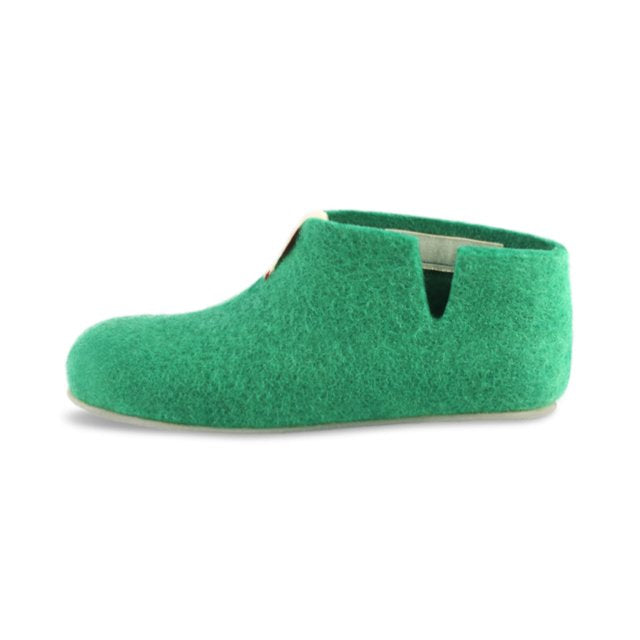
The difference shows up around 8 a.m. You make coffee, answer a few emails, step onto a cold floor, then head outside to grab the mail or take the dog around the block. That small routine is exactly why indoor outdoor wool slippers have become a smart everyday essential. They are built for real life - not just the couch, and not quite a full shoe either.
For people who want comfort without switching pairs all day, wool makes a strong case. It feels soft at home, looks more refined than a typical house slipper, and handles quick trips outdoors without feeling out of place. The appeal is simple: one pair, more use, less compromise.
Why indoor outdoor wool slippers make sense
A good slipper usually succeeds at one thing. It is warm. It is light. It is easy to slip on. The problem starts when you ask it to do more. Many indoor pairs have soft soles that wear down quickly outside, while many outdoor pairs feel too stiff and bulky indoors.
Indoor outdoor wool slippers sit in the middle in the best way. With the right construction, they can move from hardwood floors to patios, shared hallways, and short errands with far less friction. That matters if you work from home, travel often, or simply prefer a cleaner, more minimal wardrobe with fewer single-use items.
Wool is what makes that versatility feel natural instead of forced. It helps regulate temperature, so your feet do not feel overheated after an hour inside. It also stays comfortable across seasons. On cool mornings, wool feels insulating. On milder days, it remains breathable enough to avoid that damp, trapped feeling common in synthetic linings.
Why wool performs differently
There is a reason wool continues to show up in high-comfort footwear. It is not only about softness. The fiber structure gives wool a very particular balance of warmth, airflow, and resilience that works especially well in slippers designed for mixed use.
That balance starts with temperature regulation. Wool helps maintain a steady microclimate around the foot, which is useful when you are moving between indoor heating, tile floors, and outdoor air. Rather than creating one-note heat, it supports comfort over time.
Wool also brings a more natural feel than heavily padded synthetic interiors. Some cushioned slippers feel plush for a week, then flatten fast or start to feel sweaty. Well-made wool tends to age more gracefully. It molds to use without immediately losing its structure, and it often looks better longer because the material itself has visual depth.
There is also the design factor. Wool has a quiet, premium appearance that suits modern homes and everyday wear. If you care about objects that look as considered as they feel, that matters. Indoor footwear does not need to look disposable.
What separates a good pair from a forgettable one
Not all indoor outdoor wool slippers are equally useful. The difference usually comes down to the sole, the shape, and how the wool is integrated into the build.
The outsole matters first. If the sole is too thin or too soft, outdoor use quickly becomes a problem. You will feel every surface change, and the slipper may wear out faster than expected. A proper indoor-outdoor sole should provide grip and enough durability for repeated short trips outside, while still keeping the profile light and flexible.
Fit matters just as much. A loose backless slipper can feel perfect for the bedroom, but less stable on stairs, sidewalks, or entryways. If you want true crossover use, look for a shape that stays secure on the foot. That does not always mean fully closed, but it should feel anchored rather than floppy.
Then there is material composition. Some slippers use wool only as a surface detail while relying heavily on synthetic interiors and foam-heavy construction. Others treat wool as the core material. If your goal is breathable comfort and everyday wearability, that difference is worth paying attention to.
Indoor comfort should still feel polished
There is a persistent idea that house slippers should be hidden, oversized, or purely functional. That is changing. More people now want home essentials that look clean, modern, and intentional. Slippers are part of that shift.
The best pairs do not scream loungewear. They have a refined shape, a balanced color palette, and enough structure to feel presentable beyond the front door. This is especially relevant for remote work and hybrid routines, where your day is less divided between home mode and outside mode.
A well-designed wool slipper fits naturally into that rhythm. It works while making breakfast, during long desk hours, and during quick trips outside. It supports the kind of daily movement that does not justify a full shoe change every time.
Who indoor outdoor wool slippers are best for
If you mostly wear slippers for a few minutes before bed, you may not need this category. But for many people, hybrid slippers solve a real gap.
They are ideal for remote workers who spend long hours at home and still step outside throughout the day. They also make sense for apartment living, where shared spaces like laundry rooms, courtyards, and entryways call for a more durable sole. Travelers often appreciate them too, since one compact pair can cover indoor comfort and casual movement around hotels, cabins, or vacation rentals.
They are also a strong choice for anyone simplifying their wardrobe. If you prefer products that earn their place through repeat use, this category is easy to justify. One well-made pair often replaces the need for separate house shoes and casual slip-ons.
The trade-offs to consider
Versatility is useful, but it does involve compromise. The softest pure indoor slipper may still feel cozier on a sofa day. A true outdoor casual shoe will offer more support and protection for long walks. Indoor outdoor wool slippers live between those extremes.
That means your expectations should match the use case. They are excellent for home, quick outings, and light everyday movement. They are not built for rain-heavy commutes, rugged terrain, or extended city walking. If you buy them for what they are meant to do, they tend to perform exceptionally well.
Care is another consideration. Wool is durable, but like any premium natural material, it benefits from thoughtful upkeep. A pair that is brushed off, aired out, and used as intended will generally age better than one treated like a utility shoe for every condition.
How to choose the right pair
Start with your routine, not the product page. If your day includes mostly indoor wear with occasional outdoor steps, prioritize softness and flexibility with just enough grip. If you regularly head outside several times a day, choose a more structured sole and a more secure fit.
Next, think about climate and flooring. In cooler homes with hard surfaces, wool's comfort benefits become obvious quickly. In milder weather, breathability becomes the deciding factor. Either way, a slipper that manages temperature well will be more wearable across the year.
Style matters too. Neutral tones and minimal silhouettes usually deliver the most mileage because they feel consistent with both indoor living and quick public-facing moments. This is where Swiss-inspired design often stands out - less decoration, better proportion, stronger everyday relevance.
Finally, consider longevity beyond the first wear. Responsible design is not only about materials. It also shows up in how a product can be maintained, repaired, or kept in use longer. Brands that think beyond the initial sale tend to make better products overall. That broader approach is part of why material-led footwear companies such as Baabuk resonate with customers who want comfort, design, and accountability in one place.
Why this category keeps growing
The rise of indoor outdoor wool slippers is not just a comfort trend. It reflects a wider shift in how people buy. More shoppers want fewer, better things. They want products that move across settings, support everyday routines, and feel good to wear without looking careless.
Wool fits that shift unusually well. It is functional, understated, and premium without trying too hard. When paired with thoughtful design and a durable sole, it creates footwear that feels current because it solves a modern problem: how to be comfortable at home without disconnecting from the rest of your day.
The best choices in this category are not flashy. They are the pairs you keep by the door, wear more than expected, and miss immediately when they are not there. That is usually a sign you chose well.


