
















Best Wool Slippers for Summer: What to Look For
A heavy, sweaty house shoe is hard to justify in July. But that does not mean slippers are off the table. The best wool slippers for summer feel surprisingly light, stay comfortable through warm afternoons, and bring the kind of easy indoor-outdoor wear that synthetic pairs often miss.
That only sounds counterintuitive if you still think wool is a winter-only material. In practice, quality wool works differently. It helps regulate temperature, manages moisture well, and feels soft against bare feet without trapping heat the way many foam-lined or polyester-heavy slippers do. For summer living, that matters.
Why the best wool slippers for summer work
Summer slippers have one job: stay comfortable when your feet are warmer, more active, and less willing to tolerate bulk. Wool performs well here because it is breathable by nature. Instead of creating that plastic, overheated feeling common in synthetic house shoes, it allows air to circulate while helping keep moisture under control.
The result is a slipper that feels drier over time. That is especially useful if you work from home, step onto a sunny balcony, move between kitchen tile and wood floors, or like a quick trip outside to grab the mail without changing shoes.
There is also a comfort advantage that has less to do with temperature and more to do with balance. Good wool slippers feel insulating without feeling padded to excess. In summer, that distinction matters. You want enough structure and softness for daily wear, but not so much material that your feet feel wrapped up.
What to look for in the best wool slippers for summer
Not every wool slipper is automatically summer-friendly. The best pairs are designed with restraint. They feel intentional, not overbuilt.
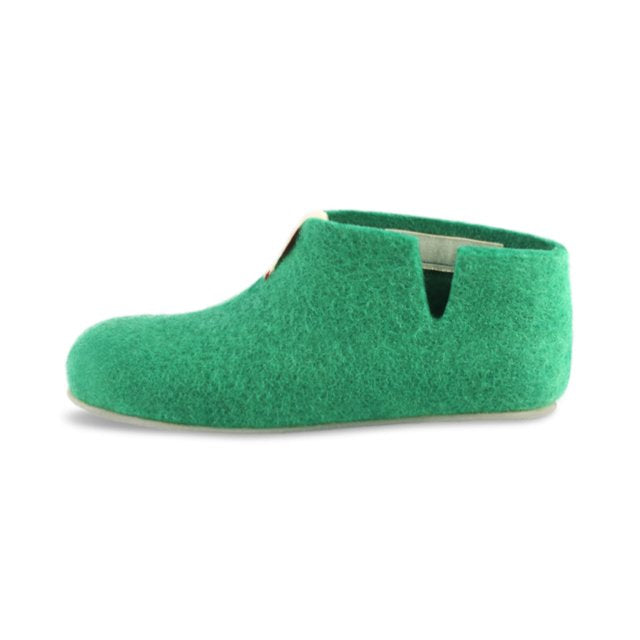
Lightweight wool construction
The first thing to notice is weight. Dense, bulky slippers may feel cozy in winter, but they can feel like too much once the weather turns. A lighter wool upper usually offers a better warm-weather experience because it keeps the slipper flexible and easy to wear for longer stretches.
This is where material expertise matters. Well-made wool does not need extra thickness to feel premium. It can be soft, durable, and supportive while still staying light on the foot.
Breathability over plush lining
Many summer shoppers make the mistake of choosing based on softness alone. Thick lining can feel appealing for thirty seconds, then overly warm for the next three hours. For warm weather, breathability is the better benchmark.
A breathable slipper should feel comfortable with bare feet and remain pleasant as the day goes on. If the interior is too padded or heavily synthetic, heat tends to build faster. Wool usually offers a cleaner, more balanced feel.
A shape that slips on easily
Summer routines are casual. You are stepping in and out more often, whether that means watering plants, carrying breakfast to the patio, or moving through a relaxed work-from-home day. A summer slipper should support that rhythm.
Look for a shape that is easy to slip on but secure enough to stay put. Backless styles feel airy and convenient, while closed-heel options can feel more stable if you wear slippers for long stretches. It depends on how you use them.
Indoor-outdoor practicality
One of the most useful features in a summer slipper is an outsole that can handle quick outdoor moments. This does not mean turning a slipper into a hiking shoe. It means enough grip and durability for the porch, garden path, driveway, or hotel hallway.
That small design detail makes a big difference. In warmer months, people naturally move between inside and outside more often. A slipper that handles both feels more versatile and gets worn more.
Minimalist design
The best summer products usually do less, better. Slippers are no different. Cleaner silhouettes feel more current, pair more naturally with modern home wear, and tend to support comfort by avoiding extra panels, stiff trims, or bulky details.
For design-conscious shoppers, this is part of the appeal. A wool slipper can feel understated and elevated at the same time. It belongs in a well-edited wardrobe, not just next to the bed.
Summer use cases that change what "best" means
The best wool slippers for summer are not identical for everyone. The right choice depends on where and how you wear them.
If your floors run cool even in warm weather, a more enclosed slipper may still feel right. Wool can provide comfort without overheating, especially in homes with stone or tile flooring. If your apartment tends to get hot by midday, a lighter, more open style may be the better call.
Remote workers usually want a pair they can wear for hours without thinking about it. That means soft structure, temperature regulation, and enough polish to feel put together during the day. Travelers may care more about packability and versatility. Families may prioritize easy wear and all-day practicality. There is no single feature that wins for every household.
Why wool often outperforms synthetic summer slippers
Synthetic slippers often chase immediate softness. They can feel cushioned at first, but once heat and moisture build up, comfort can drop quickly. Summer exposes that weakness fast.
Wool tends to hold up better because the comfort is not just surface-level. It comes from how the material behaves throughout the day. Breathability, moisture management, and natural softness create a more stable wearing experience, especially with bare feet.
There is also the question of longevity. A well-designed wool slipper can remain a staple beyond one season, which matters if you prefer buying fewer, better products. For shoppers who care about responsible consumption, that is part of the value.
Design, responsibility, and everyday wear
Summer footwear is often judged by comfort first, but design and responsibility still matter. The strongest choices combine all three.
That is where a material-first brand approach stands out. When wool is treated as a performance material rather than a novelty, the product usually feels more refined. The shape is cleaner, the comfort is more considered, and the use case is clearer. Baabuk has built much of its design language around that idea, showing that wool footwear can be modern, practical, and easy to wear across seasons.
Responsibility matters here too, but it should show up through the product, not just the messaging. Durable materials, repair-minded thinking, and circular options all support the same basic goal: footwear that stays in use longer and earns its place in your routine.
How to tell if a pair is right for warm weather
A good summer slipper should pass a simple test. Can you wear it barefoot on a warm day for several hours without wishing you had kicked it off? If the answer is no, it is probably too heavy, too padded, or too heat-trapping.
You should also think about transitions. Does it work only in the bedroom, or can it move through real daily life? The best wool slippers for summer handle more than one setting. They feel at home during a slow morning, a quick errand outside, or a long afternoon at your desk.
Fit matters as much as material. Slippers that are too tight can feel warmer because they reduce airflow and create friction. Pairs that are too loose can feel sloppy and less supportive. The ideal fit is close and easy, with enough room for natural movement.
A smarter way to shop for summer slippers
It is easy to default to sandals once temperatures rise, but slippers still serve a purpose in summer. They create comfort at home, protect against hard floors, and support a more relaxed kind of everyday movement. The key is choosing a pair built for the season rather than one that simply happens to be made of wool.
Look for breathable construction, lighter weight, clean design, and indoor-outdoor ease. Prioritize materials that work with your body temperature instead of against it. And do not mistake bulk for quality. In warm weather, the better product is often the one that feels more effortless.
The right wool slipper in summer should feel almost unremarkable in the best way. You put it on in the morning, keep it on longer than expected, and never spend the day thinking about your feet.


