
















Best Breathable House Shoes for Everyday Comfort
Your house shoes do more work than most shoes in your closet. They carry you through early meetings, laundry runs, slow Sundays, and every small trip to the kitchen in between. The best breathable house shoes keep that everyday routine comfortable without leaving your feet warm, damp, or boxed in.
Breathability is not just a summer feature. Even in cooler weather, feet naturally release heat and moisture throughout the day. A well-chosen indoor shoe helps regulate that microclimate while giving you enough support for hard floors and enough ease to actually wear it from morning to night.
What Makes the Best Breathable House Shoes?
A breathable house shoe lets air circulate around the foot and manages moisture before it lingers. That means looking beyond an open back or a lightweight upper. Construction, lining, sole, and fit all affect how fresh a slipper feels after a few hours of wear.
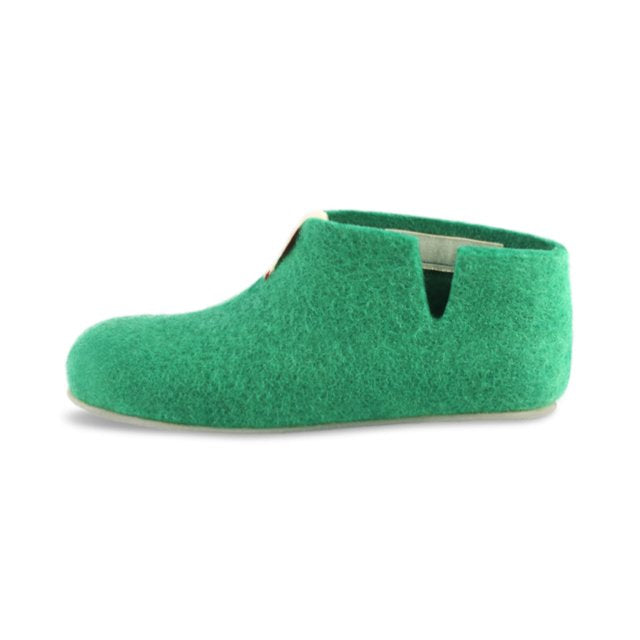
Natural fibers are a strong place to start. Wool, for example, can help regulate temperature across changing conditions. It feels warm when your home is cool, yet it can remain comfortable when the room heats up or your day gets busy. Unlike a heavily padded synthetic slipper, a wool upper does not need to feel thick to feel substantial.
The best option depends on your home and your habits. Someone working from a hardwood-floor apartment may need more cushioning and grip than someone who mainly wears slippers on rugs. If you tend to run warm, an open-back silhouette or lighter upper may suit you best. If cold toes are the bigger problem, a closed slipper with breathable natural material offers a more balanced answer than simply adding bulk.
How to Choose Breathable House Shoes
Start with the upper
The upper is where most of the airflow and moisture management happens. Dense synthetic fleece can initially feel soft, but it may hold heat close to the foot over a long day. Natural wool is a practical alternative because its fibers create small air pockets while helping manage moisture.
Look for an upper that feels flexible rather than stiff. It should move with your foot and avoid pressing across the instep. A softer structure also makes house shoes easier to slip on for quick routines, without the loose, unstable feeling of an oversized slipper.
Consider your preferred coverage
Open-back clogs are a natural choice for people who want an easy on-and-off fit and a little more airflow around the heel. They work especially well for desk days, warm homes, and quick transitions from room to room. The trade-off is that they can feel less secure on stairs or when carrying groceries inside.
Closed-back slippers provide a more anchored fit. They are often better for cooler spaces, active mornings, or anyone who wants their indoor footwear to stay in place. A closed design does not have to feel stuffy when the material itself is breathable.
Do not overlook the sole
A breathable upper is only part of the equation. If you spend hours standing on tile, concrete, or hardwood, choose a sole with enough structure to soften impact and keep you steady. A flexible rubber sole offers reliable traction and can make a house shoe more useful for stepping onto the porch, checking the mail, or taking out recycling.
For mostly carpeted homes, a lighter and more minimal sole may be all you need. The goal is not maximum cushioning for everyone. Too much padding can make a slipper feel warm, bulky, or less connected to the floor. Choose the amount of support that matches your space.
Get the fit right
House shoes should feel relaxed, not loose. Your toes need room to spread naturally, while your heel should not slide excessively with each step. A too-large slipper creates friction, and friction creates heat - the opposite of what you want from breathable footwear.
If you are between sizes, think about how you plan to wear them. Barefoot wear generally calls for a closer fit, while people who like a light sock may prefer a little extra room. Check each style's size guidance rather than assuming your everyday sneaker size will translate perfectly.
Best Breathable House Shoes for Different Routines
For remote work and long indoor days
When your commute is a few steps from the bedroom to the desk, comfort needs to last. Choose a slipper or clog with a breathable wool upper, a supportive footbed, and a sole that feels stable on hard flooring. The design should look considered enough for a video call but feel relaxed enough that you forget to take it off.
This is where a balanced, closed-toe style often shines. It keeps feet comfortable through changing room temperatures without the heavy feeling associated with winter-only slippers.
For warm homes and warmer seasons
If your home tends to hold heat, prioritize a lighter silhouette. An open-back house shoe can give your heel more freedom while still protecting the sole of your foot from dust, crumbs, and cool floors. Select natural materials over plastic-heavy linings, and avoid excessive faux-fur padding that is designed more for visual volume than daily comfort.
A thinner sole can work well here, provided it still offers enough grip. The best breathable house shoes for summer should feel easy and airy, not flimsy.
For cold floors without overheating
Cold floors are one of the clearest reasons to keep house shoes by the door, but insulation alone is not the answer. A material that traps perspiration can leave feet feeling clammy, even when the room is chilly. Wool's temperature-regulating character makes it especially useful for this in-between need.
Pair a closed upper with a grounded sole and moderate cushioning. You get warmth underfoot while maintaining a more comfortable environment around the foot itself.
For indoor-outdoor moments
Many people want one pair that can handle a quick step outside without becoming a full outdoor shoe. In that case, look for a durable, grippy outsole and an upper that maintains its shape. Keep expectations realistic: house shoes are ideal for short, casual errands around home, not long walks or wet-weather use.
A well-made wool slipper with a practical sole, like those designed by Baabuk, can make these small transitions feel more natural. It reduces the need to switch footwear for every five-minute task while keeping the comfort of an indoor-first design.
Materials That Help Feet Feel Fresher
Material choice sets the tone for the entire wearing experience. Wool is valued for its ability to respond to changing temperatures and manage moisture naturally. It also brings a clean, tactile texture that works well with minimalist interiors and everyday clothing.
Cotton can feel light and familiar, though it may stay damp longer after absorbing moisture. Leather can be durable and beautiful, but its breathability varies widely depending on thickness, finish, and lining. Synthetic mesh may offer airflow, yet its overall feel depends on what sits beneath it and how much foam surrounds the foot.
No material works in isolation. A breathable upper paired with a non-breathable lining can limit the benefit. Likewise, an excellent material will not feel its best in a slipper that is too tight. Think of breathability as a system, not a single feature on a product label.
Keep Breathable House Shoes Working Well
Good care helps house shoes feel fresher for longer. Let them air out between wears rather than leaving them under the bed or in a closed gym bag. If they get damp from a spill or wet floor, dry them naturally away from direct heat, which can affect shape and materials.
Rotate pairs if you wear house shoes all day, especially during humid months. A little recovery time allows materials to release moisture and return to their natural feel. When your pair eventually shows wear, consider repair, replacement components where available, or resale and recycling options before sending it to the trash.
The right pair should make home feel better the moment you put it on. Choose breathable materials, a fit that stays easy, and a sole made for your actual floors, then let your daily routine decide the rest.


