


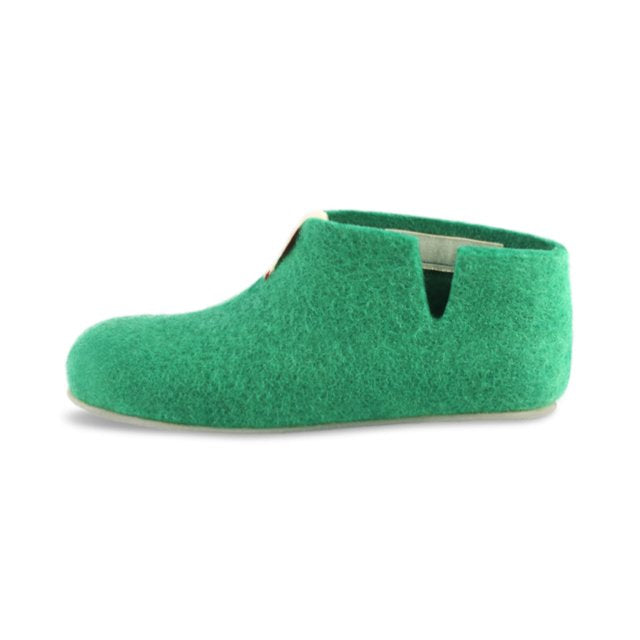

















Wool Sneakers vs Leather Sneakers
The difference between wool sneakers vs leather sneakers usually shows up around hour three, not minute three. Both can look polished out of the box. What matters is how they feel after a full commute, a long workday, a weekend city walk, or a flight where you need one pair to do everything.
If you are choosing between the two, the real question is not which material is more premium. It is which one fits your routine, your climate, and your expectations for comfort, care, and responsible design. Wool and leather each bring something valuable, but they solve different problems.
Wool sneakers vs leather sneakers: the comfort question
Comfort is where wool makes its strongest case. Wool naturally helps regulate temperature, which means your feet tend to feel more balanced across different conditions. On a cool morning, wool feels soft and insulating. In a warm office or during a long day indoors, it stays breathable rather than trapping heat the way many people expect from a closed shoe.
That creates a different kind of all-day wear. Instead of feeling stiff and structured, wool sneakers usually feel lighter, softer, and more forgiving from the start. For people who work from home, move between indoors and outdoors, or want one casual shoe for travel, that immediate comfort matters.
Leather can absolutely be comfortable too, but often in a different way. A good leather sneaker tends to feel more supportive and more structured. Some people like that secure feel, especially if they want a cleaner, more classic silhouette. The trade-off is that leather often needs a break-in period. It may soften beautifully over time, but it does not always feel effortless on day one.
If your priority is soft, easy comfort right away, wool usually has the advantage. If you prefer a more traditional sneaker feel with a firmer upper, leather may suit you better.
Breathability and temperature control
This is one of the clearest differences between wool sneakers and leather sneakers. Wool is naturally breathable and moisture managing. It helps move moisture away from the foot, which can make a noticeable difference during long wear. That does not mean wool turns a sneaker into a sandal. It means the inside environment tends to feel drier and less stuffy.
For everyday use, that can be the detail that changes whether a shoe becomes a favorite or sits by the door. If you are often in transit, walking between meetings, or wearing the same pair from morning to night, breathability is not a bonus. It is part of basic comfort.
Leather varies more. Some leather sneakers breathe reasonably well, especially if the lining and construction are designed carefully. Others can feel warmer and less flexible with moisture. That is one reason leather sneakers often perform better in cooler weather than in hot or mixed indoor-outdoor conditions.
For year-round versatility, wool has a strong advantage. It adapts well to changing temperatures, which makes it especially appealing if you want fewer pairs that do more.
Style and how each material reads
Leather has long been associated with a crisp, elevated casual look. It tends to read as more conventional, more urban, and sometimes more formal depending on the design. A white leather sneaker with clean lines works with denim, trousers, and even relaxed tailoring. If your wardrobe leans sharp and minimal, leather may feel familiar.
Wool offers a different kind of refinement. It feels softer, more modern, and more tactile. Rather than signaling polish through shine, it does it through texture and restraint. In a well-designed sneaker, wool looks clean without feeling hard or overworked. That makes it especially strong for casual wardrobes built around natural materials, easy layers, and understated design.
This is less about better style and more about style language. Leather says classic. Wool says relaxed premium. If you want a sneaker that feels current, comfortable, and quietly distinctive, wool has a compelling point of view.
Durability is not one thing
People often assume leather wins on durability by default. Sometimes it does, but the picture is more nuanced than that.
Leather is known for abrasion resistance and long-term structure. It can hold its shape well and, with proper care, age attractively. That is part of its appeal. Scratches, creases, and wear patterns can become part of the look, especially in more casual leather styles.
Wool performs differently. It is not trying to imitate leather’s surface behavior. High-quality wool can be surprisingly resilient in daily wear, especially when the shoe is well made and designed for regular use. It tends to resist odor well and maintain comfort over time, which is a form of durability many shoppers value more than cosmetic perfection.
The real question is what kind of durability matters to you. If you want a sneaker that develops a worn-in, structured character, leather may deliver that. If you want a sneaker that keeps feeling fresh, breathable, and comfortable across frequent wear, wool can be the smarter everyday choice.
Care and maintenance in real life
Care is where personal habits matter. If you like footwear that rewards regular upkeep, leather may fit your routine. It often benefits from cleaning, conditioning, and careful storage. Done well, that maintenance can extend its life and keep it looking polished.
But not everyone wants their sneakers to become a weekend project. Wool is appealing because it can feel lower effort in day-to-day wear. Its natural moisture management and odor resistance help it stay fresher between cleans. For people with busy routines, that ease is part of the value.
Neither material is maintenance free. Leather can scuff and dry out. Wool can need gentle cleaning and thoughtful care depending on the construction. Still, wool often feels more aligned with a practical everyday rhythm, especially if your goal is comfort without fuss.
Which is more responsible?
Material choice has environmental implications, but blanket claims are usually too simple. The more useful lens is to look at the whole product: how it is sourced, how long it lasts, how often you wear it, and whether the brand supports repair, recycling, or resale.
That said, wool brings clear advantages for shoppers looking to move away from heavily synthetic footwear. It is a natural material with performance benefits that do not rely on plastic-heavy design. When used thoughtfully, it offers comfort, breathability, and versatility in a way that feels aligned with a more responsible wardrobe.
Leather can also be made and finished in better or worse ways, so quality and transparency matter. But if you are comparing the feel of a natural, performance-driven material against the more conventional sneaker standard, wool stands out for combining comfort, design credibility, and a lower-synthetic experience.
For many modern shoppers, that combination is exactly the point.
Wool sneakers vs leather sneakers for different routines
If your day involves commuting, desk time, quick errands, and social plans after work, wool sneakers are often the easier choice. They transition well, stay comfortable indoors, and do not ask much from you. They also pack well for travel, especially when you want one pair that works across multiple settings.
If you want a sneaker mainly for a sharper streetwear look or you prefer a more structured upper, leather still has a place. It can feel slightly more dressed and more familiar, especially if your wardrobe already leans that way.
Climate matters too. In dry, cooler conditions, leather can feel right at home. In mixed temperatures, warmer cities, or spaces where you move between inside and outside all day, wool tends to feel more adaptable.
So which one should you buy?
Choose wool if you care most about immediate comfort, breathable all-day wear, natural performance, and a softer modern look. Choose leather if you want classic structure, a more traditional finish, and you do not mind a little break-in and upkeep.
For many people, the better everyday sneaker is the one that asks less from your feet and more naturally fits the way you live. That is why wool continues to stand out. It does not just look good on a product page. It performs where real shoes have to perform: on long days, in changing temperatures, and in routines that rarely stay simple.
At Baabuk, that is exactly why wool sits at the center of the conversation. When a material can deliver comfort, breathability, responsible design, and clean everyday style in one package, it stops being an alternative. It becomes the standard you compare everything else against.
The best pair is not the one with the loudest reputation. It is the one you keep reaching for without thinking twice.


