


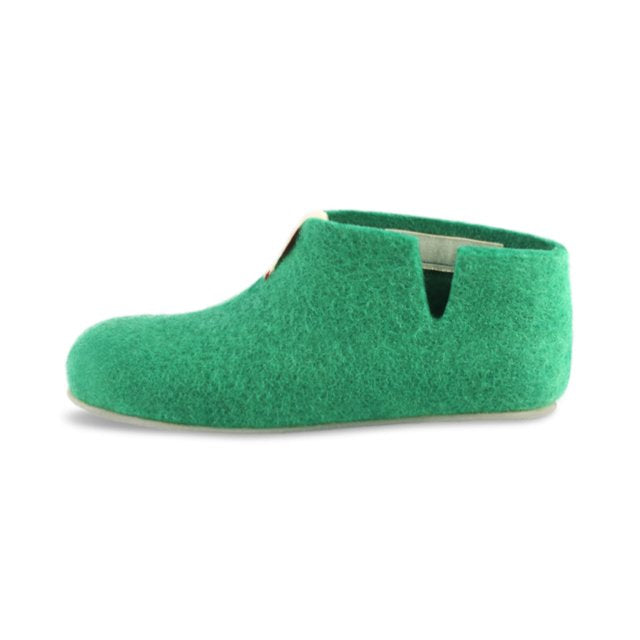

















Comfortable shoes made from natural materials
A shoe can look clean on the shelf and still feel wrong by lunch. The usual culprit is not always the shape. Often, it is the material. If you are searching for comfortable shoes made from natural materials, you are usually looking for something very specific: less heat, less stiffness, less synthetic feel, and more ease from morning to night.
That shift makes sense. Natural materials tend to interact with the body differently. They breathe more naturally, soften with wear, and create a quieter kind of comfort that does not rely on heavy padding or thick foam alone. For people who move between home, city streets, travel days, and casual work settings, that difference is easy to feel.
Why comfortable shoes made from natural materials feel different
Comfort starts where the shoe touches the foot. Synthetic uppers can be durable and lightweight, but they often trap warmth and create a slightly plastic feel against the skin. Natural materials usually respond with more flexibility and a more balanced internal climate.
Wool is one of the clearest examples. It regulates temperature well, helps manage moisture, and feels soft without becoming overly delicate. That is why it works across categories, from slippers to sneakers to lightweight boots. A wool shoe can feel cozy in cool weather and still stay breathable when the day warms up.
Cotton and canvas have a lighter, more casual feel. They are often a good choice for warm climates or easy everyday sneakers, though they typically do less than wool in terms of temperature regulation. Leather can also be comfortable and long-lasting, especially when it softens over time, but it depends heavily on tanning, construction, and lining. Cork, usually found in footbeds, adds another layer of natural comfort by molding gradually to the foot.
The point is not that one natural material solves everything. It is that the best shoes use materials with a clear job to do, rather than piling on synthetic components to imitate comfort.
The materials that matter most
If you are choosing on feel alone, many shoes can seem comfortable for five minutes. The better test is how they perform after a full day of walking, standing, commuting, or working from home. That is where materials reveal their strengths and their limits.
Wool for everyday breathability and softness
Wool stands out because it works across seasons and settings. It has a natural softness that reduces the need for bulky interiors, and it helps keep feet from feeling damp or overheated. For indoor-outdoor styles, this matters a lot. You get comfort that feels light, not overbuilt.
Wool also suits a minimalist design language. It has texture, depth, and a clean visual finish, which makes it easy to wear with relaxed tailoring, denim, or off-duty basics. For shoppers who care about design as much as comfort, that balance is a big part of the appeal.
Cotton for lightweight casual wear
Cotton has an easy familiarity. It feels simple, soft, and casual, especially in warm-weather sneakers or slip-ons. If your priority is a laid-back summer shoe, cotton can be a smart option.
The trade-off is that cotton generally does not manage moisture or temperature as dynamically as wool. It can also lose structure faster, depending on the weave and the sole construction. For occasional wear, this may not matter. For daily rotation, it often does.
Cork for footbed comfort
Cork rarely gets top billing, but it plays an important role in comfort. A cork footbed can adapt gradually to the shape of your foot, creating a more personal fit over time. It is especially useful in sandals, house shoes, and casual slip-ons.
That said, cork works best when the rest of the shoe supports it well. If the upper is stiff or the outsole is too hard, a cork footbed alone will not fix the feel.
Leather when structure matters
Leather remains relevant for people who want more shape and polish. A well-made leather shoe can become very comfortable, especially when it breaks in properly. It also tends to hold its form better than lighter textiles.
Still, not every leather shoe is automatically comfortable. Thick finishes, rigid construction, and poor lining choices can make it feel warmer and less forgiving than expected. If comfort is your main goal, material quality and shoe design matter more than the label alone.
What to look for beyond the material
Natural materials help, but comfort is never about fabric in isolation. Two shoes made with wool can feel completely different if the shape, sole, and fit are off.
Start with flexibility. A comfortable everyday shoe should move with your foot instead of forcing it into a stiff motion. Then look at weight. Heavy shoes can feel supportive at first, but over the course of a long day they often create fatigue.
Lining matters too. If a natural upper sits over a synthetic interior that traps heat, part of the benefit gets lost. The best designs keep the whole experience consistent, from outer material to footbed to finishing details.
Fit is another place where people compromise too quickly. A breathable material cannot correct a toe box that is too narrow or a heel that slips. If you want genuine comfort, start with the right shape and let the material improve the experience, not rescue it.
How to choose the right pair for real life
The best comfortable shoes made from natural materials are the ones that match your routine. A travel day, a work-from-home schedule, and a city commute all ask for slightly different things.
If you spend long hours indoors and step outside often, look for a lightweight wool shoe with a flexible sole and enough structure to handle both settings. This kind of design removes the need to switch shoes constantly and keeps the day simpler.
If your wardrobe leans minimal and your schedule is more urban, a streamlined sneaker in wool or cotton can make more sense than an athletic-style trainer with thick synthetic mesh. You get a cleaner look and a more refined feel, while still keeping daily comfort front and center.
For warmer climates or summer travel, a breathable slip-on or sandal with a cork footbed may be the right move. Just be realistic about support. Minimal sandals can feel great for short wear, but if you are walking all day, the sole construction becomes much more important.
Families often need versatility above all else. Easy-on shoes made from soft natural materials tend to work well because they are comfortable quickly and adapt to everyday movement without much fuss.
Natural comfort should also last
A comfortable shoe that loses shape after one season is not a good investment. Durability matters, both for value and for reducing unnecessary replacement.
This is where construction and care come in. Natural materials often age well, but they still benefit from thoughtful design. Reinforced stress points, replaceable components, and repair options extend the life of the product in a practical way. Responsible design is not only about the source material. It is also about making shoes worth keeping in rotation.
Brands that think beyond the first purchase tend to build more trust. Services like repair and replace, resale pathways, and recycling initiatives reflect a more complete view of comfort and responsibility. Baabuk has helped bring that perspective into modern footwear, especially through wool-first designs that feel as considered as they look.
Style is part of comfort too
People often talk about comfort and style as if they compete. In reality, a shoe becomes more wearable when it fits both your foot and your wardrobe. If it looks too technical, too bulky, or too seasonal, it gets used less.
Natural materials support a more versatile aesthetic. Wool, cotton, leather, and cork each bring texture without shouting for attention. They pair easily with modern basics and tend to age with more character than glossy synthetics. That understated quality is part of why these shoes work so well for everyday life.
The most appealing pairs do not try too hard. They feel easy, look clean, and perform consistently. That combination is rare enough to matter.
When you are choosing your next pair, pay attention to what your feet actually respond to after hours, not minutes. The right natural material will not just feel softer. It will make the whole day feel lighter.


