

















Are Wool Shoes Good for Walking?
You feel it fast on a long city day - feet getting warm, socks turning damp, uppers starting to feel stiff, and every extra block somehow feeling longer. That is usually when people ask, are wool shoes good for walking? The short answer is yes, often surprisingly good, but the better answer depends on how far you walk, what kind of support you need, and how the shoe is built around the wool.
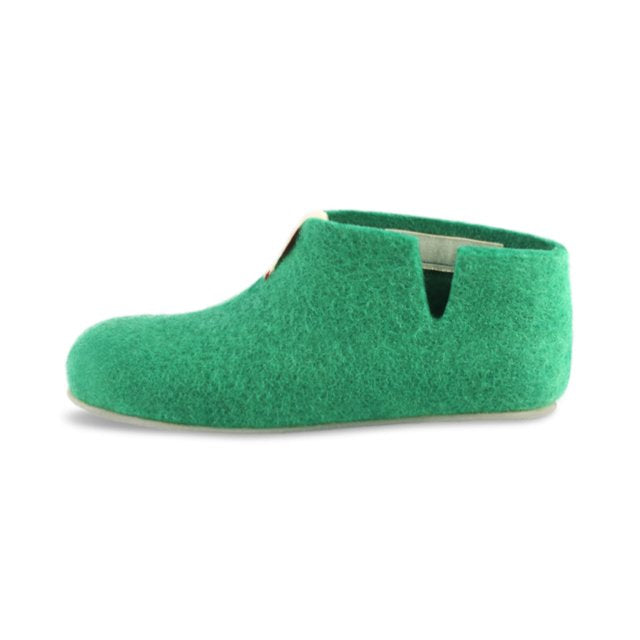
Wool has a reputation for softness and warmth, which can make some shoppers assume it is better for lounging than movement. In practice, quality wool footwear can be a strong everyday walking option because the material does a few jobs at once. It helps regulate temperature, manages moisture well, feels soft against the foot, and flexes more naturally than many synthetic uppers.
That does not mean every wool shoe is ideal for every walk. A short commute, a travel day, and a six-mile urban route place very different demands on footwear. The real question is not whether wool works. It is whether the full shoe - upper, sole, shape, cushioning, and fit - matches the way you move.
Are wool shoes good for walking in daily life?
For everyday walking, wool shoes are often an excellent match. They tend to feel comfortable right away, which matters more than people think. A shoe that needs days of break-in can turn a normal routine into a project. Wool usually feels softer from the start, with less of the rigid, plasticky feel that many conventional uppers have.
That softness also helps on days when your feet swell slightly from heat, commuting, or time on the move. Instead of pressing into the foot, wool can adapt better to natural shape changes. For city walking, errands, office commutes, school runs, and travel, that flexibility can make a noticeable difference by the end of the day.
Breathability is another major reason wool performs well. Walking creates heat, and heat creates friction and moisture. Wool helps reduce that clammy feeling because it can absorb and release moisture while still feeling comfortable. In real terms, that means your feet are less likely to feel swampy after hours in motion.
There is also the everyday style factor. Many wool shoes have a cleaner, more understated look than heavily technical walking shoes. If you want one pair that works with relaxed tailoring, denim, or travel basics, wool often lands in that sweet spot between comfort and design.
Why wool feels different on foot
The best walking shoes are not just soft. They create a stable, low-friction environment where your foot can move naturally without overheating. Wool helps with that because it is comfortable close to the skin and better at temperature regulation than many synthetic materials.
In cooler weather, wool helps hold warmth without making the shoe feel bulky. In milder conditions, it can still feel airy and balanced rather than overly insulated. That is why many people end up wearing wool shoes across more seasons than expected.
The texture matters too. A well-made wool upper has a gentle, forgiving hand feel, which can reduce hot spots around the toes, sides of the foot, and instep. If you have ever had a shoe that looked fine but rubbed in one exact place every time you walked, you already know how valuable that can be.
Because wool is naturally odor resistant, it also tends to hold up well in repeat wear. That matters for travel, hybrid work routines, and anyone trying to simplify their closet with fewer, better pairs.
Where wool shoes perform best
Wool shoes shine in the kind of walking most people actually do. Think daily movement rather than mountain terrain. They are especially good for urban life, airport days, long museum visits, campus walks, and all the in-between moments where comfort needs to last for hours without looking overly sporty.
They can also be a smart choice for people who move between indoors and outdoors. If your day includes home, transit, office, cafés, and errands, wool helps bridge those environments comfortably. It feels refined enough for everyday wear but relaxed enough to support a more natural pace.
For travelers, wool has another advantage: versatility. One pair can cover a lot of ground without feeling like a compromise. When luggage space is limited, a breathable, comfortable shoe with a clean profile earns its place quickly.
The trade-offs: when wool may not be enough on its own
This is the part worth being honest about. If your definition of walking means all-day sightseeing on hard pavement, fast-paced fitness walks, or conditions with heavy rain and rough terrain, wool alone is not the deciding factor. The sole and overall construction matter just as much, sometimes more.
A wool upper can be excellent, but if the midsole is too flat for your needs or the outsole lacks grip, the shoe may fall short on longer distances. People with specific support needs, such as strong arch preferences or a history of foot pain, should look beyond the material and pay close attention to structure.
Weather is another variable. Wool handles everyday moisture well, but that is different from standing water, slush, or relentless downpours. For wet, high-exposure conditions, a more weather-specific shoe may be the better call.
There is also personal preference. Some walkers want maximum cushioning and a highly engineered feel. Others prefer a lighter, more grounded, more flexible ride. Wool shoes often appeal more to the second group, especially when paired with minimalist or casual everyday design.
What to look for if you want wool shoes for walking
If you are considering wool shoes for regular walking, start with shape and fit. A well-designed toe box, secure heel, and balanced hold through the midfoot matter more than marketing language. The shoe should feel stable without squeezing.
Next, look at the sole. For daily walking, you want enough cushioning to soften repetitive pavement impact, but not so much that the shoe feels detached from the ground. Flexibility is important too. A shoe that bends naturally with your stride usually feels better over time than one that fights your foot.
The outsole should also match your routine. Smooth city surfaces need something different than mixed sidewalks, gravel paths, or frequent stair climbing. Grip, durability, and overall weight all shape how the walking experience feels after a few hours.
Construction quality matters because wool performs best when the entire shoe is thoughtfully designed around it. A good wool walking shoe should feel intentional, not like a conventional sneaker with wool simply added for texture. That is where material expertise shows.
Are wool shoes good for walking without socks?
Often, yes. One of wool's biggest strengths is next-to-skin comfort. Because it is soft, breathable, and better at managing moisture, many people find wool shoes comfortable with or without socks.
That said, sockless wear still depends on fit and lining. If the heel slips or the insole feels too smooth, going without socks may be less comfortable on longer walks. For shorter daily wear, though, wool tends to be one of the easiest materials to wear directly against the foot.
This flexibility is part of what makes wool footwear appealing for travel and warm indoor settings. You get an easy on-off experience without sacrificing comfort.
How wool compares to synthetic walking shoes
Synthetic shoes often win on technical specialization. They can be extremely light, highly structured, and built for sport-specific movement. If your goal is speed walking, intense mileage, or wet-weather performance, a technical synthetic model may have the edge.
But everyday walking is not always about maximum performance metrics. It is about how a shoe feels from morning to evening, how often you want to wear it, and whether it works across different settings. This is where wool has real advantages.
Wool feels more natural on foot, often looks more refined, and usually creates a more balanced temperature experience. For many people, that translates into greater overall wearability. A shoe you genuinely want to keep on is often the one that works best in real life.
Brands that focus on wool, including Baabuk, understand that the material should not just feel good in hand. It should solve daily comfort in a way that still looks modern, responsible, and easy to wear.
The bottom line on wool and walking
So, are wool shoes good for walking? For most daily routines, yes - very good, especially if you value breathable comfort, natural temperature control, and a softer, less synthetic feel. They are at their best in everyday movement: commuting, travel, errands, and long casual days on your feet.
The key is choosing a pair with the right support, fit, and sole for your version of walking. Wool is a strong foundation, not a shortcut. When the design is done well, it becomes one of the most comfortable materials you can wear from the first block to the last.
If your day asks for one shoe that feels easy, looks clean, and keeps up without fuss, wool is worth a serious look.


