
















A Guide to Merino Wool Shoes
Cold feet on hardwood. Overheated feet on the commute. Sneakers that look clean for a week, then hold onto odor no matter what you do. A good guide of merino wool shoes starts with a simple question: what do you actually want your shoes to do every day?
Merino wool footwear has moved well beyond the category of cozy house shoes. Today, it sits at the intersection of comfort, minimalist design, and more responsible material choices. If you want a pair that can carry you from home office to coffee run, airport gate to weekend city walk, the details matter. Not every wool shoe feels the same, wears the same, or fits the same lifestyle.
Why this guide of merino wool shoes matters
Merino gets a lot of praise, and much of it is deserved. It regulates temperature well, feels soft against the skin, and helps manage moisture better than many synthetic-heavy options. That translates into shoes that can feel warm in cool weather without turning stuffy once you step indoors.
But wool is not magic. The shape of the shoe, the density of the upper, the structure underfoot, and the sole design all affect performance. If you choose only on looks, you can end up with a pair that feels too soft for long walking days or too casual for how you actually dress. The smart approach is to match the material to the use case.
What makes merino wool shoes different
The biggest difference is the wearing experience. Merino tends to create a more balanced in-shoe climate than many conventional materials. Your feet feel less trapped, and that changes comfort over a full day, not just in the first ten minutes.
There is also the tactile side. Wool-based footwear often feels more natural and less plasticky from the first wear. For people who spend long hours at home, work remotely, or want a clean indoor-outdoor option, that softer feel is a real advantage.
Design matters too. The best wool shoes are not trying to look technical. They usually lean clean, modern, and understated. That makes them easy to wear with relaxed tailoring, denim, travel layers, and the kind of everyday wardrobe built around fewer, better pieces.
How to choose the right pair
The right pair depends less on trend and more on where your shoes spend most of their time. Start there.
For home and light outdoor use
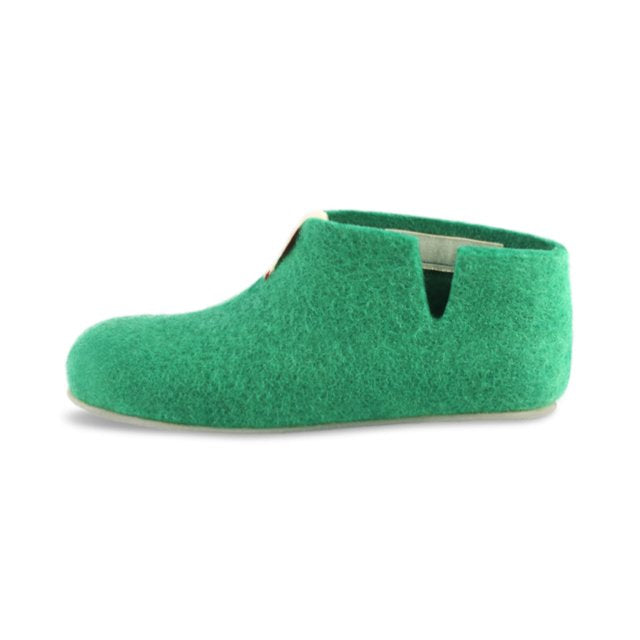
If your routine is mostly indoors with occasional steps outside, look for a lightweight wool upper, easy slip-on access, and a sole with enough grip for quick trips beyond the front door. Flexibility and softness matter more here than all-day support. This is the category for people who want comfort first, with enough polish that the shoe still looks intentional.
For everyday city wear
If you walk to work, move between meetings, or want one pair for errands and travel, structure becomes more important. A wool sneaker or low-profile casual shoe should still feel breathable, but it also needs a stable sole and shape retention. This is where good design separates premium wool footwear from novelty products.
For travel
Travel shoes need to do several jobs at once. They should be easy to pack, comfortable without a long break-in period, and versatile enough to wear with more than one outfit. Merino works especially well here because it manages changing temperatures and tends to stay fresh longer between wears. If you pack light, that matters.
For colder seasons
Boots or more enclosed wool styles can be an excellent option in fall and winter, but pay attention to the outsole and the thickness of the construction. Warmth is useful, but traction and durability matter just as much once sidewalks get slick and weather becomes unpredictable.
Fit: what shoppers often get wrong
Merino wool has some give, and that can create confusion around sizing. Many people assume a soft upper means they should size down for a snug fit. Usually, that is the wrong move.
Your toes still need room to spread naturally, especially if you plan to wear the shoes all day. A good wool shoe should feel secure at the heel and midfoot without compressing the front of the foot. If the shoe looks sleek but pinches early, it rarely becomes the pair you reach for most.
Sock choice also changes the fit. Some wear wool shoes barefoot because the material feels comfortable against skin. Others prefer thin socks for a cleaner fit or seasonal flexibility. Think about how you will actually wear the pair most often, then choose your size accordingly.
Breathability, odor, and temperature control
This is where merino earns its reputation. Wool fibers can help move moisture away from the skin and reduce that swampy feel common in synthetic shoes. For people with warm feet, that alone can make a noticeable difference.
Odor resistance is another reason many shoppers switch. That does not mean a wool shoe never needs airing out or care. It means the material generally handles repeat wear more gracefully. For commuters, travelers, and anyone trying to simplify their weekly rotation, that low-maintenance freshness is a strong selling point.
Temperature control is more nuanced. Merino can feel cozy in cooler weather and breathable in mild conditions, but every shoe has limits. A thick wool boot in midsummer is still a thick wool boot in midsummer. The material helps, yet the design still decides the season.
Durability and the real trade-offs
A polished guide of merino wool shoes should be honest about trade-offs. Wool shoes can be durable, but they are not indestructible, and they should not be treated like heavy-duty trail footwear unless they were built for that purpose.
For daily urban use, quality wool footwear holds up well when the sole, stitching, and shape are thoughtfully designed. For rough terrain, repeated soaking, or abrasive surfaces, you need to be realistic. Material comfort and natural performance often come with a different maintenance rhythm than fully synthetic athletic shoes.
That is not a drawback for everyone. Many people prefer owning fewer pairs that feel better, look calmer, and are designed for repair, replacement, or longer-term care rather than disposable use. If that sounds like your approach, wool footwear makes sense.
How to care for merino wool shoes
Care is simpler than many people expect. In most cases, the first step is not washing but airing out. Give the shoes time to rest, especially after a long day. Wool responds well to that.
Spot cleaning is often enough for minor marks. If deeper cleaning is needed, follow the product-specific instructions rather than assuming every wool shoe should be treated the same way. Structure, sole type, and finishing all affect care.
It also helps to rotate pairs. Even a highly breathable shoe lasts better when it is not worn hard every single day. Good care is less about fuss and more about keeping the materials in their best working condition.
Style: where wool fits in a modern wardrobe
One reason wool footwear continues to grow is that it works with how people dress now. Cleaner silhouettes, relaxed tailoring, elevated basics, and fewer loud design signals all pair naturally with wool. The material feels considered without feeling precious.
That makes it especially appealing for people who want shoes that can move between settings without a costume change. A well-designed wool sneaker can look right with joggers, denim, cropped trousers, or an unstructured suit on a casual office day. A wool slipper with an outdoor sole can handle home life without looking like an afterthought.
Swiss-inspired design has influenced this category in a clear way. The emphasis is often on restraint, comfort, and function that does not need to shout. Brands such as Baabuk have helped define that balance by treating wool not as a novelty, but as a serious everyday material.
Who should consider merino wool shoes
If you value comfort but dislike bulky performance footwear, merino is worth considering. If you want breathable shoes for hybrid work, travel, or everyday city use, it fits well. If you care about design and responsibility in equal measure, wool offers a convincing middle ground.
If you need highly structured sports shoes, maximum water protection, or one pair for every possible condition, it may not be the answer. The strength of merino footwear is not that it does everything. It is that it does daily wear unusually well.
The best pair will feel easy from the first step and look right long after trend-driven sneakers lose their appeal. Choose for your real routine, not your idealized one, and merino wool shoes can earn a permanent place by the door.