



















Why Shoes Made From Natural Materials Matter
Most people notice a shoe only when it goes wrong - when it traps heat, feels stiff by noon, or looks worn out faster than expected. That is usually the moment shoes made from natural materials start to make more sense. They are not just a sustainability talking point. They change how footwear feels, performs, and ages in real life.
For anyone building a more thoughtful wardrobe, footwear is often the hardest category to get right. Shoes need to handle long days, changing temperatures, and constant repetition. They also need to look good without feeling overdesigned. Natural materials stand out here because they bring function and restraint at the same time. The best pairs feel simple, but they are doing a lot more than they first reveal.
What makes shoes made from natural materials different
The short answer is comfort with character. Natural fibers and plant-based components tend to behave differently from heavily synthetic footwear. They breathe more naturally, adapt better to daily wear, and often feel less plastic in both fit and finish.
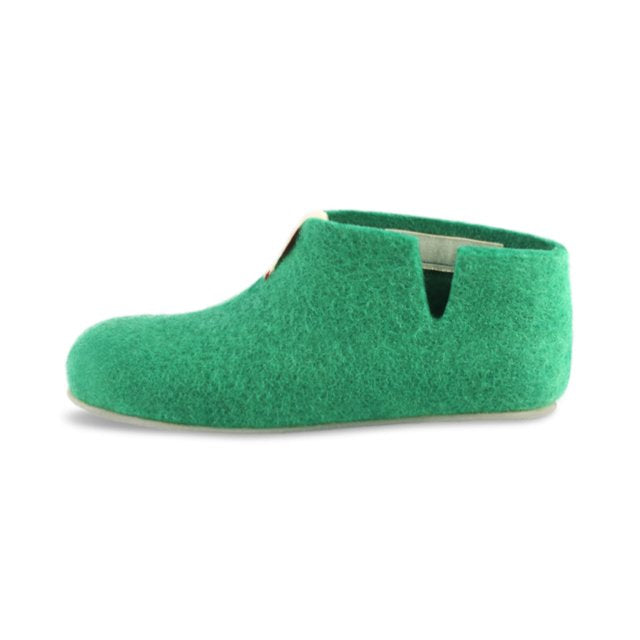
Wool is one of the clearest examples. It helps regulate temperature, manages moisture well, and feels soft without losing structure. That combination is rare. In many conventional sneakers or slippers, comfort depends on foam and lining systems layered together. With wool, much of that performance starts in the material itself.
Other natural materials, such as cotton, linen, cork, and natural rubber, also bring practical benefits. Cotton and linen feel light and familiar. Cork offers cushioning with a distinctive underfoot feel. Natural rubber adds grip and flexibility. The result is footwear that often feels more grounded and less engineered for show.
That does not mean every natural shoe is automatically better. Material quality, construction, and design still matter. A poorly made shoe with natural inputs can underperform just as easily as a synthetic one. What matters is how the materials are chosen and how honestly they are used.
Comfort is usually the real reason people switch
Sustainability may start the search, but comfort usually decides the purchase. That is especially true for people who work from home, travel often, or want one pair to move easily between indoors and out.
Shoes made from natural materials often feel better over longer wear because they are less likely to create that sealed-in, overheated feeling. Breathability matters more than many shoppers realize. A shoe can look minimal and still feel exhausting if it does not let heat and moisture move the way they should.
This is one reason wool continues to earn a place well beyond cold-weather footwear. Good wool footwear feels balanced across seasons. It helps keep feet warm when temperatures drop, but it can also feel surprisingly dry and comfortable in milder conditions. That kind of everyday versatility is hard to fake.
There is also the matter of softness. Natural materials tend to create a more relaxed sensory experience. Instead of relying on glossy finishes or stiff uppers, they often feel quieter on the foot. For people who are tired of shoes that need a break-in period or feel overly technical for daily life, that difference is immediate.
Style works better when materials do the talking
Design-conscious shoppers do not just want responsible products. They want products that look resolved. That is where natural materials have a real advantage.
Shoes made from natural materials often carry visual depth without extra decoration. Wool has texture. Linen has movement. Cork has pattern. Even when the silhouette is minimal, the surface feels alive. That creates a cleaner kind of style - less dependent on logos, overlays, or trend-driven details.
This also makes natural footwear easier to wear across settings. A well-designed wool sneaker or slipper can feel at home in a modern apartment, a casual office, or a weekend travel bag. It does not need to perform as a statement piece. It just needs to be well made, comfortable, and visually calm.
Swiss-inspired design has long understood this balance. Clean lines, practical function, and material honesty tend to age better than shoes built around novelty. If you are buying fewer pairs and expecting more from each one, that matters.
The sustainability question is more nuanced than it looks
It is easy to flatten this conversation into a simple natural equals good, synthetic equals bad equation. Real life is more complicated.
Natural materials can support a lower-impact approach, but they are only one part of the picture. Durability matters. Repairability matters. So does how a brand handles production, packaging, replacement parts, and what happens when a product reaches the end of its useful life.
A shoe made with natural materials but designed for short-term wear is not especially responsible. On the other hand, a well-built pair that stays in rotation for years is doing something meaningful. Longevity is one of the most overlooked sustainability features in footwear.
That is why circular services are worth paying attention to. Repair and replace options, recycling programs, and resale marketplaces turn a product into more than a one-time purchase. They help extend use and reduce waste without asking customers to lower their standards. For a material-led footwear brand, that kind of system strengthens the promise behind the shoe.
B-Corp certification can also signal a broader level of accountability, though it should not be treated as a shortcut for quality. It is one useful indicator among several. The better question is whether the brand shows discipline across product design, material choices, and after-purchase care.
How to shop for shoes made from natural materials
If you are comparing options, start with the upper. This is where comfort, breathability, and visual character often come through most clearly. Look for materials that are used in meaningful proportion, not just as a branding accent.
Then pay attention to the sole and footbed. A shoe may use a natural upper but still depend heavily on conventional materials underneath. That is not always a deal breaker. Performance, traction, and durability need to be considered. But if a brand is talking about natural design, it should be clear about where those materials are actually present.
Fit is the next major factor. Natural materials can feel adaptive, but they still need a smart shape. A roomy toe box, stable sole, and flexible upper often create a better everyday experience than a rigid, fashion-first profile.
Finally, think about use case. A soft wool slipper for home, a minimalist sneaker for commuting, and an easy slip-on for travel may all be made from natural materials, but they are solving different problems. The best purchase is usually the one that matches your daily rhythm rather than an abstract ideal.
Why wool keeps leading the category
Among natural footwear materials, wool continues to stand apart because it combines comfort, performance, and visual simplicity unusually well. It is soft but resilient. It feels premium without trying too hard. It suits indoor comfort and everyday outdoor wear with equal ease.
That flexibility is why brands like Baabuk have built an entire product world around it, from slippers and sneakers to boots, sandals, and kids' styles. The appeal is not only that wool is natural. It is that wool works. It supports a calmer, more wearable kind of footwear design - one that fits modern routines instead of competing with them.
For customers who want fewer, better things, that matters. A material should not just sound responsible on a product page. It should earn its place every day through comfort, durability, and ease.
Where natural footwear is headed
The future of this category is not about making every shoe look rustic or niche. It is about refining everyday footwear through better materials and more disciplined design. That means lighter construction, more thoughtful blends, clearer sourcing, and stronger systems for care and repair.
It also means accepting trade-offs honestly. Some natural materials are more delicate. Some price points are higher. Some styles need more care than a machine-made synthetic sneaker. But for many people, the exchange is worth it - better feel, better breathability, and a product that aligns more closely with how they want to buy.
If your current shoes feel disposable, overbuilt, or strangely uncomfortable for something you wear every day, that is a useful signal. Start with materials. The right pair should feel good in motion, look better with time, and make the idea of wearing anything else a little less appealing.


