
















Guide to Wool Shoes for Everyday Wear
A good pair of wool shoes can change the part of the day that usually gets overlooked: the walk from home to coffee, the hours at a desk, the quick errand before dinner. This Guide to Wool Shoes for Everyday Wear explains what makes wool footwear feel different, where it performs best, and how to choose a pair that earns a regular place in your rotation.
Wool is often associated with indoor comfort, but its practical strengths reach much further. In the right construction, it can support everyday sneakers, light boots, sandals, and slippers with a soft feel, a clean silhouette, and less dependence on synthetic-heavy materials. The result is footwear designed for real routines rather than a single season or setting.
Why wool feels different on foot
The first thing most people notice is softness. Wool fibers have a natural crimp that creates small pockets of air, giving shoes a cushioned, warm feel without the bulk of a heavily padded upper. That matters when you spend long days standing, commuting, or moving between indoor and outdoor spaces.
Temperature regulation is the other major advantage. Wool helps hold warmth when conditions are cool, yet it can also release excess heat when your feet warm up. It does not make every wool shoe suitable for every temperature, of course. Sole thickness, lining, sock choice, and how active you are all play a role. Still, wool is a particularly useful material for the in-between moments: chilly mornings, air-conditioned offices, travel days, and seasons that refuse to settle on one forecast.
Wool can also absorb moisture vapor before it feels damp against the skin. For people who dislike the clammy feel that can build up in conventional shoes, this creates a noticeably calmer wearing experience. It is not a substitute for drying shoes after a wet day, and it will not keep feet dry when water enters from above. Think of it as day-to-day moisture management, not waterproof protection.
There is a design benefit, too. Wool has texture and depth without needing loud color or excessive detailing. A simple wool sneaker can look relaxed with denim, refined with tailored trousers, and at home with the softer layers people reach for while working remotely.
Guide to Wool Shoes for Everyday Wear: choosing the right pair
Start with where the shoe will do its work. The best choice is rarely the shoe with the longest feature list. It is the one that matches the surfaces, weather, and pace of your normal week.
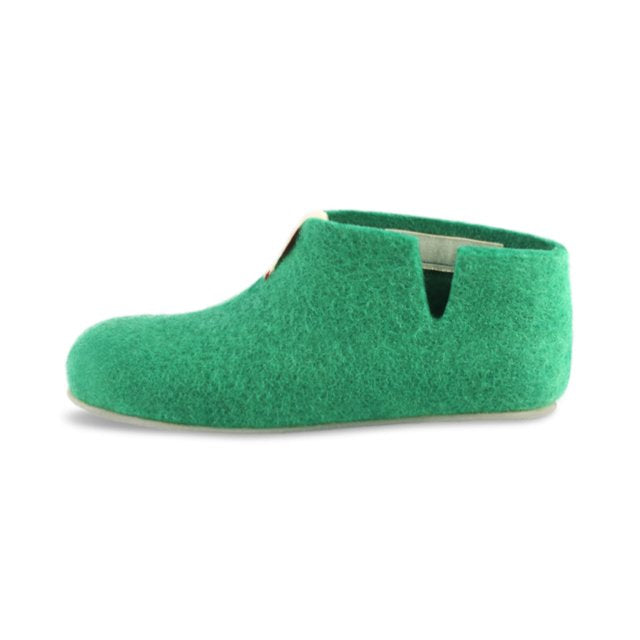
For home, slippers and indoor shoes offer immediate warmth and an easy transition from early morning to late evening. Look for a supportive footbed and a sole that feels secure on smooth floors. If you frequently step outside to collect mail, walk the dog, or take out recycling, a durable outsole makes more sense than a purely soft house slipper.
For daily city wear, wool sneakers are often the most versatile option. They pair the breathable comfort of a wool upper with the traction and structure needed for sidewalks, public transit, and long afternoons on your feet. A minimalist profile keeps them flexible across outfits, while a removable insole can be helpful if you use orthotics or prefer to adjust the fit.
For cooler weather and more coverage, choose wool boots with enough room for a slightly thicker sock. The upper may provide warmth, but the sole determines much of the shoe's grip and protection from cold pavement. If wet sidewalks and frequent rain are part of your routine, check the construction carefully and reserve your wool pair for the conditions it is designed to handle.
Sandals bring a different side of wool into focus. A wool-lined footbed can soften the contact point underfoot and help make a pared-back warm-weather shoe feel more comfortable for extended wear. Here, fit is especially important: your heel should sit securely in the footbed, and straps should hold without creating pressure across the top of the foot.
Fit should feel secure, not compressed
Wool has some natural give, but it should not be treated like a material that will solve a poor fit over time. Choose your normal size as a starting point, then assess the shape of the toe box, heel hold, and instep. Your toes need room to spread naturally, particularly if you walk a lot or wear the shoes for full days.
A new wool shoe should feel comfortably close without pinching. There may be a brief adjustment period as the fibers settle to your foot, but sharp pressure, slipping at the heel, or numbness are signs to reconsider the size or style. If you are between sizes, your preferred sock thickness can be the deciding factor. Thin socks may favor a closer fit; thicker socks may call for more space.
For barefoot-inspired styles, do not assume that a wider toe box means the shoe will feel right immediately. The reduced structure and lower profile can change how your feet and calves work. Ease into longer walks, especially if you usually wear highly cushioned footwear.
Care that keeps wool shoes looking considered
Wool footwear is refreshingly low-maintenance, but it benefits from a few consistent habits. After wearing, remove the shoes and let them air out in a dry, ventilated place. Avoid leaving them beside a radiator or in direct high heat, which can affect shape, adhesives, and fibers.
For small marks, begin gently. Brush away dry dirt once the shoe is fully dry, then use a soft cloth with cool water and a small amount of mild wool-safe cleanser if needed. Work on the affected area rather than soaking the entire shoe. Excess water can lengthen drying time and may alter the feel of the upper.
If your shoes get caught in rain, take out the insoles if possible and allow both parts to dry naturally. Stuffing the shoes lightly with plain paper can help them retain their shape while moisture evaporates. Do not use a dryer, and do not place them directly on a heat source.
Odor usually needs air before it needs intervention. Because wool manages moisture well, giving shoes a rest between wears can go a long way. Rotating two pairs is practical for frequent wear and extends the usable life of both. When an insole eventually loses its comfort or a component needs attention, repair or replacement can be a more thoughtful choice than retiring an otherwise good shoe.
The sustainability question goes beyond the upper
Choosing wool is one material decision, not the whole story. A more considered shoe also accounts for how often it will be worn, whether it can be cared for, and what happens when it reaches the end of its first life. The most responsible pair is often the one that fits well enough to become a repeat favorite rather than an occasional purchase.
Look for clear information about materials, design, and production. Consider whether the shape works with what you already wear, whether the outsole suits your normal terrain, and whether the brand offers pathways such as repair, replacement parts, recycling, or resale. Those details make it easier to keep a product in use rather than treating it as disposable.
Baabuk approaches wool footwear as a daily essential: designed in Switzerland with comfort, clear form, and longer-term use in mind. From slippers to sneakers and boots, the point is not to build a wardrobe around novelty. It is to choose fewer pieces that make ordinary days feel better.
When wool shoes may not be the best choice
Wool shoes are not the answer to every activity. For trail running, heavy rain, deep snow, or work that demands specialized safety footwear, purpose-built technical shoes are usually the better tool. Likewise, a delicate wool upper may not be ideal for someone who regularly encounters mud, salt, or abrasive surfaces without time for basic care.
That trade-off is part of buying well. Wool excels when comfort, breathability, understated design, and adaptable everyday wear are the priority. Match the shoe to the day ahead, let it rest after a long outing, and it can become the pair you reach for before you have fully decided where the day will take you.
