


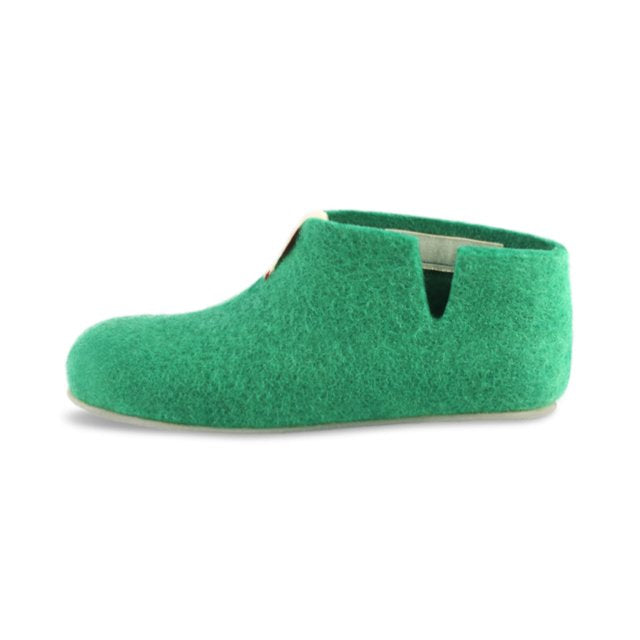
















Resoleable Shoes vs Disposable Shoes Compared
A worn-down sole does not always mean a worn-out shoe. In the debate over resoleable shoes vs disposable shoes, that simple distinction matters: one pair may be ready for a skilled repair, while another is designed to be replaced as soon as its bottom layer gives out.
For people who value natural materials, considered design, and fewer throwaway purchases, the choice is not just about how long a shoe lasts. It is about whether its construction supports a longer life, whether it can stay comfortable over time, and whether repairing it makes practical sense.
What Makes a Shoe Resoleable?
A resoleable shoe is built so its worn outsole can be removed and replaced without destroying the upper. Traditionally, this is most common in well-made leather footwear, hiking boots, work boots, and certain stitched constructions. The upper, midsole, and sole are designed as distinct parts rather than permanently fused into one unit.
The key is construction. Shoes with welted, stitched, or otherwise serviceable soles are generally easier for a repair professional to open, assess, and rebuild. A cobbler may replace the outsole, add a protective layer, repair stitching, or refresh worn heel sections. If the upper remains structurally sound, a new sole can give the pair meaningful extra mileage.
That does not mean every expensive shoe is resoleable, or that every resoleable shoe is automatically a low-impact choice. Materials, manufacturing, transport, care, and how often the shoe is actually worn all affect its footprint. But repairability creates an option that disposable construction does not: the option to maintain rather than replace.
What Are Disposable Shoes?
Disposable shoes are not necessarily marketed as disposable. The term describes footwear that is difficult, uneconomical, or impossible to repair once key components wear down. Many lightweight sneakers and casual shoes fall into this category because their foam midsoles, glued soles, thin uppers, and molded components are tightly bonded together.
These shoes can feel great at first. They are often flexible, lightweight, and accessible in price. For a specific use, such as occasional gym sessions or a short-lived trend, that may be enough. The trade-off appears when the outsole loses traction, the foam compresses, or the upper separates from the sole. Repair can cost nearly as much as replacement, with no guarantee that the repaired shoe will perform as intended.
Disposable construction also tends to mix materials in ways that complicate recycling. Rubber, foam, fabric, adhesives, coatings, and plastic components may each have value on their own, but separating them at the end of a shoe's life is difficult.
Resoleable Shoes vs Disposable Shoes: The Real Differences
The most visible difference is longevity, but it is not the only one. A shoe worth resoling needs more than a replaceable sole. It needs an upper that can age well, a shape that remains supportive, and materials that justify the work of repair.
Upfront cost versus cost per wear
Resoleable footwear often costs more at purchase because it uses more durable materials and more labor-intensive construction. A repair also has a price. Yet a pair that is worn regularly for years, then repaired once or twice, can offer a lower cost per wear than several replacement pairs.
Still, price alone should not decide it. A resoleable boot that sits in the closet is not a better purchase than a simpler shoe worn constantly. The strongest value comes from choosing a design you genuinely reach for: one that works with your routine, wardrobe, climate, and comfort needs.
Comfort over time
Disposable shoes are often built around immediate softness. Plush foam can create a satisfying first step, but some materials compress quickly and cannot be restored. Once the cushioning or support breaks down, the shoe may no longer feel right even if the upper still looks presentable.
Resoleable shoes can offer a different kind of comfort - one that develops through wear and care. They may need a short break-in period, especially when made with structured natural materials. Over time, a quality upper can adapt to the foot, while a new outsole restores grip and everyday function.
For easygoing daily footwear, construction is only part of the equation. Breathable materials matter, particularly for long commutes, travel days, and work-from-home routines that move between indoors and outside. Wool is naturally breathable and temperature regulating, making it a thoughtful choice when comfort needs to work across changing conditions.
Design and repair limits
Not every shoe should be resoled. Thin, flexible slippers, minimalist sneakers, sandals, and lightweight travel shoes often rely on integrated construction to achieve their feel and shape. Adding a new sole may change the flex, weight, or fit that made the original design work.
That is why responsible footwear is not one construction method applied to every category. A sturdy boot may be an excellent candidate for resoling. A soft house shoe may be better served by careful cleaning, minor repairs, responsible replacement options, or material recovery when available. The right question is not, “Can every shoe be resoled?” It is, “Was this shoe designed for a useful life that matches how I will wear it?”
How to Choose Shoes Made for a Longer Life
Start with your actual use case. If you walk city blocks every day, travel frequently, or need a dependable outdoor shoe, prioritize a durable outsole, secure upper construction, and a style you will want to wear season after season. Ask whether the sole can be repaired, but also ask what happens to the rest of the shoe over time.
Look closely at the join between the upper and the sole. Visible stitching can be a good sign, though it is not a guarantee of resolability. A repair service or product care page should clearly explain what work is possible and what is not. Honest guidance is more valuable than a vague durability claim.
Materials deserve equal attention. Natural fibers and quality textiles can provide comfort, breathability, and an appealing lived-in character, but they need appropriate care. Let shoes air out between wears, remove surface dirt before it settles, and follow the brand's cleaning guidance. Small habits can slow odor, moisture buildup, and premature wear.
Fit is another form of durability. A shoe that rubs, slips at the heel, or compresses the toes is less likely to become a long-term favorite. It may also wear unevenly. Choose enough room for natural movement, particularly if you wear thicker socks or spend long hours on your feet.
Repair Is Only One Part of Circular Care
Resolability is valuable, but it should sit within a broader approach to product life. The best outcome is often simple: wear a pair often, care for it well, repair it when sensible, and pass it along when it no longer suits your needs but still has life left.
Resale can keep lightly worn shoes in use. Replacement programs can help when a product reaches the end of its practical life. Recycling initiatives can offer a better route than the trash for materials that cannot be repaired. Baabuk's repair, replace, recycling, and resale approach reflects this wider view: a more responsible shoe journey does not begin and end with one purchase.
There are limits. Repair requires local expertise, time, and materials. Some damage, such as a cracked midsole, extensive water damage, or a badly misshapen upper, may not be worth fixing. A good repair decision weighs the shoe's condition, the expected result, and the cost against a replacement you will wear for years.
The Better Question to Ask Before Buying
Rather than treating resoleable shoes as inherently good and disposable shoes as inherently bad, consider the relationship between design and use. A carefully made, repairable pair can be a strong choice for high-wear routines. A lighter shoe can also be a thoughtful purchase when it is comfortable, well cared for, and used fully rather than replaced on impulse.
Choose footwear that earns its place by feeling good from morning to night, fitting the life you actually lead, and staying in rotation long enough to become familiar. The most responsible pair is rarely the one with the loudest promise. It is the one you keep wearing.
