













A Guide to Wool Sneaker Sizing
A pair that feels perfect in the morning but cramped by dinner usually comes down to sizing, not style. This guide to wool sneaker sizing is built to help you get the fit right the first time, with practical advice for everyday wear, travel, and long hours on your feet.
Why wool sneaker sizing feels different
If you are used to conventional sneakers, wool can change your expectations in a good way. The material is naturally soft, flexible, and breathable, so the fit often feels more forgiving right out of the box. At the same time, that softness can make people second-guess whether they need more room or less.
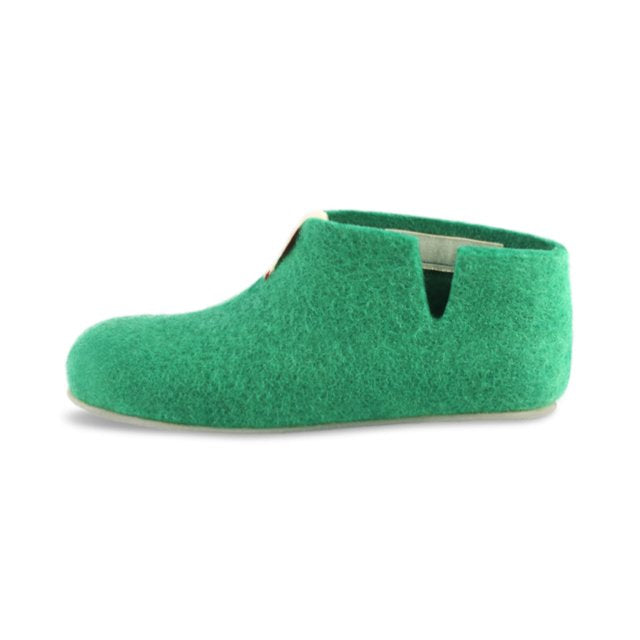
Wool sneakers usually do not fit exactly like structured athletic shoes with heavy padding, rigid overlays, and thick synthetic linings. Instead, they tend to feel closer to the foot. That can create a cleaner silhouette and a lighter feel, but it also means sizing decisions matter more. A size that is too small may feel especially noticeable at the toes, while a size that is too large can lose the secure, easy comfort that makes wool sneakers so appealing.
The key is to think beyond the number on the box. Good fit is about shape, movement, and how you plan to wear the shoe.
Guide to wool sneaker sizing by fit preference
The best size is not always the one you wear in every other brand. It depends on how you like your shoes to feel.
If you prefer a close, minimal fit, you may be happy with your usual size as long as you still have enough room in front of your toes. Wool naturally adapts to the foot over time, so a sneaker that feels comfortably snug at first can become your ideal everyday pair after a few wears.
If you like a little extra space, wear thicker socks, or spend long days walking, you may prefer a slightly roomier fit. Feet tend to swell as the day goes on, especially in warmer weather or during travel. In those cases, a small amount of extra room can make a big difference.
There is a trade-off, though. Going too roomy can reduce support and make the shoe feel less stable. Wool has flexibility, but it should not have to compensate for a size that is simply too big.
How wool should feel on day one
A good wool sneaker should feel secure through the midfoot and comfortable at the heel, without pressure points or slipping. Around the toes, you want enough room to spread naturally without pressing into the front of the shoe.
What you do not need is a harsh break-in period. Wool sneakers should feel easy from the start. That does not mean they should feel loose. It means they should feel natural.
A useful way to check fit is to stand, not just sit. Your foot lengthens slightly under weight, and that extra bit matters. Walk on a hard floor if possible. If your toes brush the front when you roll forward, the size is likely too small. If your heel lifts noticeably with each step, the size may be too big or the overall shape may not suit your foot.
Measuring matters more than guessing
The fastest way to improve sizing accuracy is to measure your feet. Many people have one foot that is slightly longer or wider than the other, and many also wear the wrong size out of habit.
Measure your feet at the end of the day, when they are at their largest. Stand on a sheet of paper, trace the outline, and measure from the heel to the longest toe. Do both feet and use the larger measurement. Then compare that length to the brand's size chart.
This may sound basic, but it is far more reliable than saying, "I am always a size 9." Sizing varies across brands, and wool sneakers can feel especially different from traditional sneakers because the materials behave differently.
If you are between sizes, think about width, sock choice, and personal preference. Narrow feet and a close-fit preference may do well with the smaller size. Wider feet, high insteps, or a roomier preference often do better sizing up.
Width, instep, and foot shape
Length gets most of the attention, but shape is often what decides whether a shoe feels great or not. Wool can adapt gently, but it is not magic. If your foot is wide through the forefoot, high through the instep, or broader at the toes, you should factor that in before choosing a size.
A wider foot may need more than extra length. Sizing up can help, but it also changes heel fit and overall volume. If you regularly size up in sneakers because of width, you will probably want to follow that pattern in wool sneakers too. If your feet are narrow, your regular size may already provide enough room, especially in a softer upper.
Instep matters as well. If you often feel pressure across the top of your foot, a wool upper may feel more accommodating than stiff materials, but only if the overall volume is right. A shoe that feels hard to get on or tight across the laces from the first wear is not likely to become your best fit with time.
Socks change the equation
Not everyone wears wool sneakers the same way. Some people want the barefoot feel of a soft, breathable interior. Others wear them with lightweight everyday socks or thicker pairs in cooler months. That choice affects sizing more than many shoppers expect.
If you plan to wear your sneakers mostly without socks or with thin no-show socks, a close fit usually works well. If you rotate between seasons, wear thicker socks in winter, or want one pair for travel in varied climates, consider whether a little extra room will make the shoe more versatile.
There is no universal rule here. The better question is how you will actually wear them most often. Buy for your real routine, not the best-case scenario.
Do wool sneakers stretch?
This is one of the most common sizing questions, and the honest answer is a little, but not enough to fix the wrong size. Wool softens and adapts with wear. It can become more comfortable around the contours of your foot, especially at natural flex points. That is very different from expecting a too-small shoe to suddenly become roomy.
If your toes are cramped or the shoe feels short, do not count on wear to solve it. If the fit is already close but comfortable, with mild snugness around the sides, that can improve as the material settles.
Think of wool as responsive rather than stretchy. It works with your foot, but it should not be asked to compensate for sizing that is off.
Sizing for travel, commuting, and all-day wear
A sneaker that feels good for a quick coffee run may feel different after a full day in motion. If you are buying wool sneakers for commuting, city walking, or travel, give yourself enough room for natural foot expansion over time.
This is where many people benefit from avoiding an overly exact fit. You still want a secure heel and stable midfoot, but a bit more breathing room in the toe box can support all-day comfort. That is especially true if you move between airports, trains, long walks, and hours of standing.
For mostly indoor wear or lighter daily use, you may prefer a cleaner, closer fit. It depends on your routine. The right size is the one that matches how the shoe will actually be used.
Common sizing mistakes
The biggest mistake is choosing based only on what you wear in another sneaker brand. The second is assuming softness means the shoe should fit tightly. Soft materials can feel gentle at first, but pressure is still pressure.
Another common mistake is testing shoes only while seated. Standing and walking tell the real story. And finally, many shoppers forget to account for socks, seasonal use, or the fact that one foot is often slightly larger.
A better approach is simple: measure, compare with the size chart, and choose based on foot shape and wearing habits. That is more reliable than chasing the same size across every category of shoe.
When to size up and when to stay true
Stay with your usual size if your feet are average in width, you prefer a neat everyday fit, and you mostly wear thin socks or go sockless. Size up if you are between sizes, have wider feet, wear thicker socks, or want a more relaxed fit for travel and extended wear.
If you are right on the edge, comfort should lead the decision. A wool sneaker should feel easy, polished, and ready for daily life. One thoughtful size choice now usually means fewer returns, less guesswork, and more wear from day one.
The best fit is the one that lets you forget about sizing once the shoes are on and simply enjoy where they take you.