
















Wool Sandal Review for Everyday Warm-Weather Wear
A sandal should make warm days feel easier, not leave you counting the minutes until you can take it off. This wool sandal review looks past the novelty of a natural material and focuses on the details that matter after a full day: how the sandal feels against bare skin, where it works best, and whether its comfort holds up beyond the first wear.
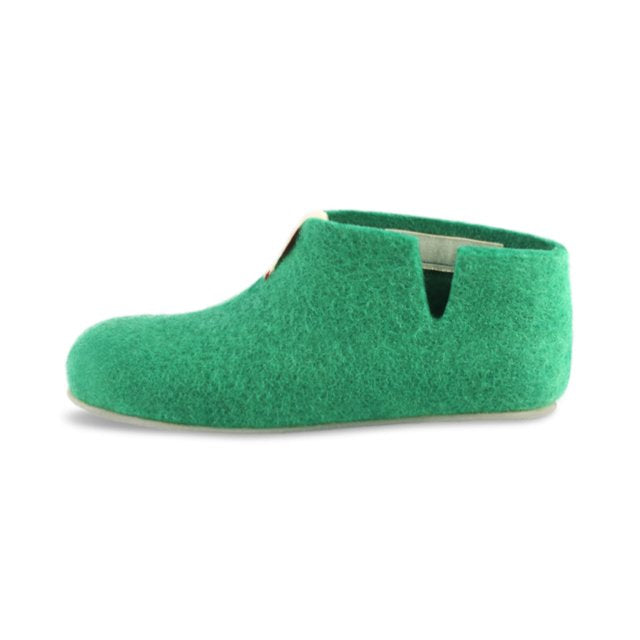
Wool may seem unexpected in an open shoe, but that is precisely where its natural performance can shine. It brings a softer, more temperature-balanced feel to a category often dominated by plastic foam, stiff straps, and synthetic linings. The right pair can move comfortably between home, a neighborhood coffee run, travel days, and relaxed summer plans without looking like it belongs in only one setting.
What a Wool Sandal Does Differently
The strongest case for wool is not simply that it feels soft. Wool fibers help manage moisture and regulate temperature, so the footbed can feel more comfortable across changing conditions. On a warm afternoon, that means less of the slick, overheated feeling associated with fully synthetic sandals. When the temperature drops later, wool does not suddenly feel cold and flat underfoot.
That balanced feel makes a wool sandal especially useful for people who work from home, travel often, or prefer to own fewer shoes that cover more of daily life. It is an easy indoor-outdoor option when bare feet, traditional slippers, or heavy sneakers do not feel quite right.
There is also a visual advantage. Wool has texture without unnecessary shine, giving a sandal a warm, considered finish. In clean, minimal silhouettes, it pairs naturally with linen, denim, cotton poplin, and the relaxed layers that define a practical summer wardrobe.
Wool Sandal Review: Comfort, Fit, and Versatility
A good wool sandal should feel comfortable immediately, but the first step is not the whole story. Look for a footbed that supports the natural shape of your foot rather than one that merely feels plush in the box. Softness is welcome, yet a sandal with no structure may become tiring on long walks, especially on pavement or while standing.
The most comfortable designs balance a cushioned wool surface with a stable sole and secure upper. Your foot should not slide forward when walking downhill or shift side to side with every step. Adjustable straps can make a meaningful difference here, particularly if your feet swell slightly in warm weather or if you are between sizes.
Fit is personal, and sandals leave less room to hide a sizing issue. Your heel should sit within the footbed rather than hanging off the back, while your toes need a small amount of space at the front. If the sandal has a molded or contoured footbed, it may feel unfamiliar for the first few wears. That does not automatically mean the fit is wrong, but sharp pressure at the arch or toes is a sign to reconsider the size or shape.
For everyday versatility, consider the sole before the color. A lightweight sole works beautifully for home, errands, and easy city walking. A more substantial outsole is the better choice for frequent travel, long days on your feet, or routes with uneven sidewalks. Neither is universally better. The right option depends on whether you want an elevated house sandal that can go outside or a true warm-weather shoe that also feels at home indoors.
Breathability Is More Than an Open Toe
Open sandals are often called breathable because air can reach the foot. In practice, breathability is also about what sits beneath and around it. A footbed made with materials that trap heat and moisture can still feel uncomfortable, even with exposed toes.
Wool helps create a drier, more balanced next-to-skin experience. Its fibers can absorb moisture vapor before releasing it, which helps reduce that clammy feeling that can develop during a long day. For anyone who avoids sandals because bare feet and synthetic footbeds do not get along, this can be the difference between a shoe worn occasionally and one reached for every day.
Still, wool is not a magic answer to every summer condition. If a sandal becomes fully soaked, it will need time to dry. It is better suited to dry days, daily wear, and relaxed travel than to pool decks, heavy rain, or activities where the shoe is likely to stay wet. For those moments, a water-specific sandal remains the practical choice.
Design That Earns a Place in Your Rotation
A well-designed wool sandal is understated enough to work across outfits, but it should not disappear into the background. The material gives even a simple two-strap or slide silhouette a tactile quality that feels more refined than standard foam footwear.
Neutral tones make the most sense if you want maximum wear. Charcoal, natural, navy, and soft earth colors are easy with shorts, wide-leg pants, summer dresses, and casual tailoring. A bolder color can be a welcome change, especially when the sandal itself is minimal, but it is worth asking whether you would wear it as readily after the season’s first few weeks.
The same principle applies to logos and hardware. A quiet design tends to stay relevant longer, which matters when you are choosing with durability in mind. Swiss-inspired design is often at its best when the shape, material, and proportions do the work without overexplaining themselves.
The Responsibility Question
Choosing a natural material does not make any purchase impact-free. A more thoughtful sandal is one designed for repeated wear, made with clear material choices, and supported by care options that help extend its life.
That is why the product’s full life matters as much as its first impression. Can the sandal be cleaned carefully? Is the construction made for seasons of use rather than a single vacation? Does the brand offer repair, replacement, recycling, or resale pathways when the shoe is finally worn out? These details turn sustainability from a label into a practical part of ownership.
Baabuk approaches wool footwear with that longer view, pairing material-led comfort with circular options including repair and resale. For shoppers who value design as much as responsibility, that kind of support adds substance to a simple everyday purchase.
How to Care for Wool Sandals
Wool does not need aggressive washing after every wear. Give your sandals time to air out in a dry, shaded place, especially after a hot day. This helps preserve their fresh feel while avoiding unnecessary cleaning.
If a small spot appears, address it with a damp cloth, mild soap if needed, and a gentle touch. Avoid soaking the sandal or placing it directly on a radiator, since high heat can affect both wool and adhesives. Let it dry naturally, away from direct sunlight.
For sandals with a removable insole or footbed, follow the specific care instructions for that component. A little regular attention goes further than occasional deep cleaning, and it keeps the pair ready for the moments when an easy, comfortable shoe is exactly what the day calls for.
The best wool sandal is not trying to replace every shoe you own. It is the pair you choose when you want bare-foot comfort with more polish, breathable materials with more purpose, and a design you can keep reaching for long after summer plans start to change.
