


















Swiss Design Shoes That Feel as Good as They Look
What defines Swiss design shoes
Swiss design is often associated with precision, restraint, and clarity. In footwear, that usually shows up as minimalist silhouettes, thoughtful proportions, and a strong preference for function-led details. Nothing feels random. If a seam is visible, it has a purpose. If the shape is simple, it is because simplicity often wears better over time.
That design language works especially well in casual shoes. A clean sneaker, a soft indoor-outdoor slipper, or a lightweight boot can all benefit from fewer distractions and better choices. Instead of chasing trend cycles, Swiss design shoes often aim for longevity. That does not mean they are plain. It means the design is resolved.
There is also a practical side to this philosophy. A well-designed everyday shoe needs to handle movement, changing temperatures, and long hours of wear. It should feel easy to put on, easy to style, and easy to keep in rotation. When design starts with those needs, the result is usually more wearable and more satisfying.
Why material matters as much as form
Good design is never only visual. The material decides a lot about how a shoe feels, breathes, ages, and performs. That is one reason natural fibers have such a strong place in modern footwear. They bring softness, temperature regulation, and a more grounded feel than many synthetic-heavy constructions.
Wool is a particularly strong match for this category. It is lightweight, insulating when needed, breathable when temperatures rise, and naturally comfortable against the foot. In a well-made shoe, wool helps reduce that stiff, overbuilt feeling common in conventional footwear. It can make a slipper feel more versatile, a sneaker feel more flexible, and a boot feel less bulky.
Of course, material choice comes with trade-offs. A highly structured leather shoe may create a sharper formal line. A synthetic sport shoe may be optimized for very specific athletic use. But for everyday wear, especially when comfort and versatility matter most, softer natural materials often create a better experience. The right shoe does not need to feel technical to perform well.
Swiss design shoes and everyday comfort
Comfort is easy to overclaim and harder to deliver. Many shoes rely on thick foam or exaggerated cushioning to make a quick first impression. That can work for a fitting room moment, but it is not always what makes a pair comfortable over weeks and months.
Swiss design shoes often take a more balanced route. Comfort comes from shape, weight, breathability, and ease of movement, not just padding. A flexible upper, a stable sole, and a naturally regulating material can matter more than bulk. The goal is to create a shoe you stop thinking about once it is on.
This is where understated design becomes a strength. When a shoe avoids unnecessary structure, stiff overlays, or heavy components, it often feels lighter and more adaptable. That is especially useful for people who move between home, office, city streets, and travel without wanting to change shoes multiple times a day.
Remote workers, frequent flyers, and urban commuters all tend to value that kind of wearability. They want one pair that can handle a coffee run, a train platform, a work session, and an evening walk. A shoe does not need to look sporty to be active in daily life.
The appeal of minimal style
Minimalism in footwear is not about being severe. It is about making room for better choices. A cleaner silhouette is easier to wear across seasons and across outfits. It also tends to age better, because it is less tied to short-lived styling cues.
That makes Swiss design shoes especially appealing to people building a smaller, more intentional wardrobe. Instead of buying for a single occasion, they buy for repeat use. A neutral sneaker, a streamlined slipper, or a simple boot becomes more valuable when it works with denim, tailored pants, soft knitwear, and relaxed travel basics.
There is a financial logic to this as well. A slightly higher upfront cost can make sense when the design is versatile enough to replace multiple narrower choices. The key is not just aesthetics. It is whether the shoe earns its place through repeated wear.
Responsibility is part of the design brief
Modern shoppers are paying closer attention to what sits behind a product. Materials, manufacturing choices, repairability, and end-of-life options are no longer side notes. They shape the buying decision.
That is why the best Swiss design shoes are not only clean in appearance. They are often cleaner in intent too. Responsible production, transparent sourcing, and circular services like repair, replacement, recycling, or resale add real value. They show that a brand is thinking beyond the first sale.
This does not mean every shoe needs to solve every sustainability challenge. It means thoughtful progress matters. A responsibly made everyday shoe that stays in use longer is usually a stronger choice than one designed for quick replacement. Durability and simplicity are not only design virtues. They are practical sustainability choices.
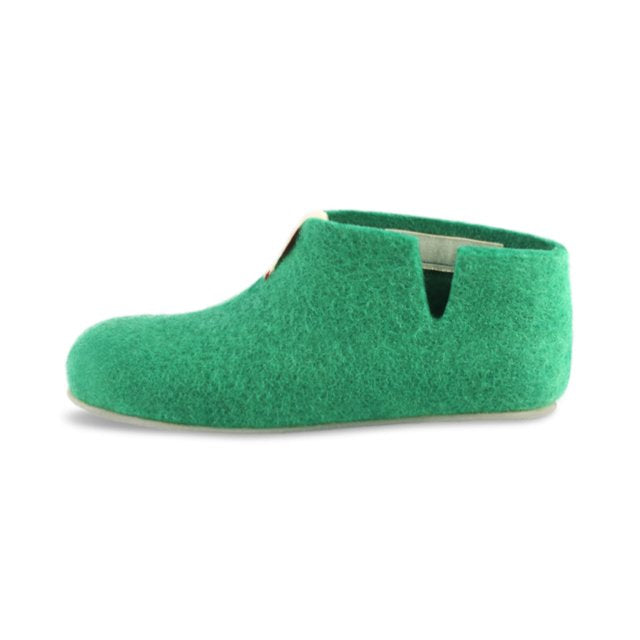
For a brand like Baabuk, that mindset is central. The focus on wool, comfort, repair & replace options, and a broader circular approach reflects a product philosophy where material, design, and responsibility are meant to work together.
How to choose the right pair
Not every shoe labeled minimalist or premium will deliver the same experience. If you are shopping this category, start with use case rather than appearance alone. Think about where you will wear the pair most often and what usually frustrates you about your current shoes.
If your day is mostly indoors with occasional trips outside, lightweight wool slippers or indoor-outdoor shoes can be a smart choice. If you need one pair for errands, travel, and casual workdays, a streamlined sneaker may be the better fit. If cooler weather is a factor, a soft boot with insulation and a clean profile can cover more ground without feeling heavy.
Pay attention to weight and flexibility. A shoe can look refined online but still feel rigid on foot. Breathability matters too, especially if you wear the same pair for long stretches. And while style is personal, the most useful colors are often the quietest ones. Soft neutrals and classic dark shades tend to integrate into daily wear more easily.
It also helps to think about maintenance before you buy. Some materials ask for more care than others. That is not necessarily a drawback, but it should match your routine. The best purchase is usually the one you can realistically wear often and care for properly.
Who Swiss design shoes are best for
This category is a strong match for people who want fewer, better things. If you are drawn to clean lines, natural materials, and products that feel calm rather than flashy, the appeal is obvious. The same goes for anyone tired of overly synthetic shoes that trap heat, feel stiff, or age poorly.
They are also a smart option for travelers and hybrid workers. Easy comfort, low visual noise, and versatile styling make a big difference when a shoe needs to move across settings. Parents often appreciate the same qualities for kids' footwear too: simplicity, comfort, and practical wearability matter at every age.
That said, it depends on what you need from a shoe. If you want maximum performance for trail running or high-impact training, a more specialized construction may make sense. But for everyday life, where comfort and style need to coexist, Swiss design shoes offer a compelling middle ground.
Why this category keeps growing
People are becoming more selective. They want design that works harder, materials that feel better, and brands that show their values in real product decisions. Footwear is no exception. The rise of Swiss design shoes reflects that broader shift toward thoughtful buying.
What stands out is not just the aesthetic. It is the combination of restraint and usefulness. A shoe can be modern without being loud, premium without being precious, and comfortable without looking technical. That balance is difficult to get right, which is exactly why it resonates when it does.
The most satisfying shoes are usually the ones that make daily life easier while still looking considered. If a pair offers that kind of ease, you will reach for it more often, keep it longer, and notice the difference every time other shoes fall short.
When a design feels effortless, it is usually because a lot of thought went into the parts you barely notice. That is the quiet strength of this category, and it is why the right pair tends to stay by the door rather than in the back of the closet.


